Best Rottweiler Dog Food Options for Health and Longevity
Choosing the right food for a Rottweiler involves balancing breed-specific needs with quality ingredients. Rottweilers benefit from proteins that support muscle mass, joints, and heart health. The selections below include breed-specific formulas and high-quality adult and puppy options to help you compare feeding choices for your large companion. This guide highlights five products with breed considerations, digestibility, and nutrient profiles to help you pick a well-rounded diet.
A quick overview of the featured products:
| Product | Brand | Type | Key Benefit |
|---|---|---|---|
| Royal Canin Rottweiler Adult Dry Dog Food | ROYAL CANIN | Breed Adult | Heart health and kibble designed for large breeds |
| Royal Canin Rottweiler Puppy Dry Dog Food | ROYAL CANIN | Breed Puppy | Immune support and large-dog appropriate kibble |
| Nutrish Real Chicken & Veggies Recipe | Nutrish | Adult Dog Food | Real chicken as first ingredient; balanced energy |
| Best Breed Dr. Gary’s German Dog Diet | Best Breed | Holistic Diet | Digestive health and taurine enrichment |
| Open Farm Ancient Grains with Beef | Open Farm | Grain-Inclusive | High protein with non-GMO produce and superfoods |
Royal Canin Breed Health Nutrition Rottweiler Adult Dry Dog Food
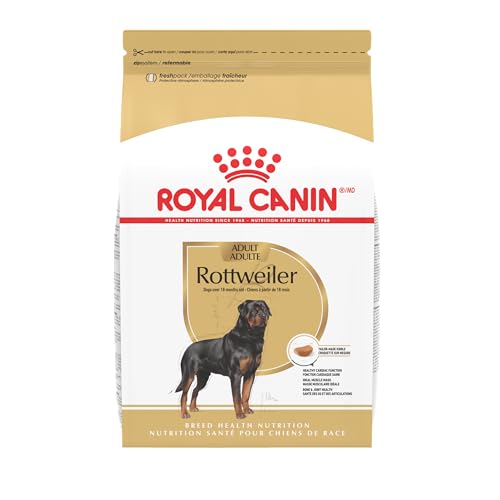
Formulated for purebred Rottweilers 18 months and older, this dry dog food features a specialized kibble shape that helps large dogs pick up and chew efficiently, which can slow eating. Taurine, EPA, and DHA support heart health and overall cardiac function, aligning with breed-specific nutritional needs.
Royal Canin Breed Health Nutrition Rottweiler Puppy Dry Dog Food
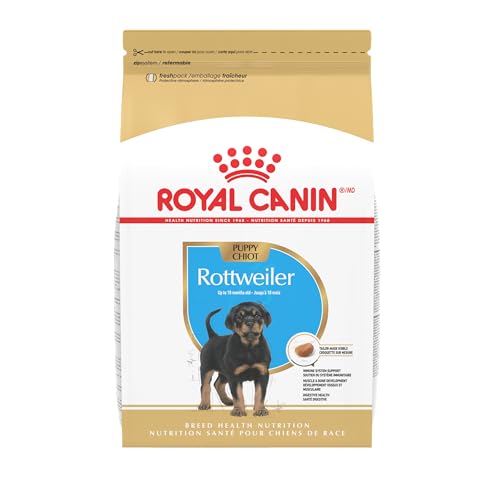
Designed for purebred Rottweilers from 8 weeks to 18 months, this puppy formula emphasizes healthy development with an exclusive antioxidant complex to support immune system development. The kibble remains sized for large breed puppies, aiding safe chewing and digestion as they grow.
Nutrish Dry Dog Food Real Chicken & Veggies Recipe
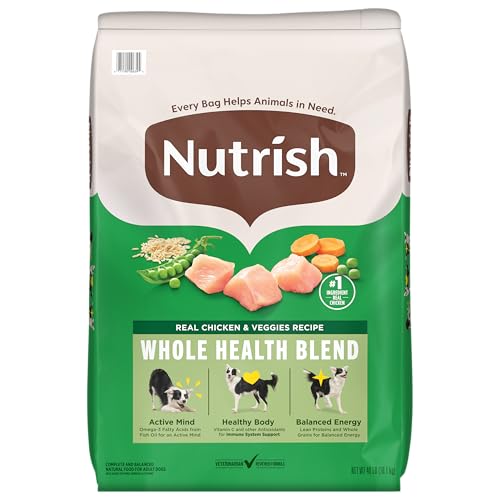
This 40-pound bag offers real chicken as the first ingredient, providing a primary protein source to help maintain lean muscle mass. The blend includes omega-3s, antioxidants, and whole grains for balanced energy and immune support in adult dogs, making it suitable for large breeds like the Rottweiler when used as part of a varied diet.
Best Breed Dr. Gary’s German Dog Diet

A veterinarian-developed holistic option noted for digestive health support. Although marketed for German Shepherds, it is often selected by owners of large breeds like Rottweilers seeking a diet that emphasizes digestion and taurine enrichment—useful for owners prioritizing gut health and heart function.
Open Farm Ancient Grains Dry Dog Food Beef Recipe

This grain-inclusive recipe blends ancient grains with real grass-fed beef, delivering high protein along with non-GMO fruits and vegetables. It emphasizes digestibility and nutrition density, with superfoods like pumpkin and coconut oil to support overall vitality in large dogs with sensitive or active seasons.
Buying Guide
Key factors to consider when selecting dog food for a Rottweiler include life stage, breed-specific needs, and digestive tolerance. For puppies, formulas targeting healthy growth, immune support, and joint development are ideal, while adults benefit from muscle maintenance and heart-supporting nutrients. Here are considerations to help compare options:
- Life stage and breed specificity: Puppy formulas should support rapid growth and bone development; adult formulas should emphasize muscle mass, joint support, and heart health.
- Protein source and quality: Look for named animal proteins as the primary ingredient and avoid filler-heavy formulations with excessive by-products.
- Kibble design and texture: Larger kibble can help with chewing and meal pacing in big dogs; some foods include kibble shapes designed for easier pickup.
- Heart and joint support: Taurine, EPA/DHA, glucosamine, and chondroitin can be beneficial for large breeds prone to heart and joint concerns.
- Digestibility: Ingredients like prebiotics, fiber blends, and grain quality influence stomach tolerance, especially for dogs with sensitive digestion.
- Allergen considerations: Some dogs respond to common grains or legumes; consider grain-inclusive vs. grain-free options based on your dog’s tolerance.
- Protein-to-fat ratio: Balance lean protein with sufficient fat for energy; very active or large breeds may require higher energy density without excessive weight gain.
- Brand reliability and safety: Prefer established brands that publish feeding guidelines and have transparent sourcing and quality controls.
Product selection should align with your dog’s health status, veterinarian recommendations, and your feeding routine. For owners seeking breed-specific support, Royal Canin’s Rottweiler lines provide targeted heart health and digestion considerations, while other brands offer balanced nutrition with a focus on protein density and immune support. Consider rotating between suitable options to maintain interest and monitor digestion, weight, and energy levels. Always transition gradually when changing foods to minimize gastrointestinal upset.