Best Wound Ointment for Dogs: Top Picks for Fast Healing and Comfort
Choosing the right wound care product for a dog can help speed healing, reduce infection risk, and ease discomfort after injuries like cuts, scrapes, and hot spots. This article highlights five highly regarded dog wound care ointments and gels, drawing from widely available options. Each product section explains what makes it effective, how to use it safely, and when to consider alternative formulations. The selection focuses on non-toxic formulas, broad efficacy, and user-friendly application to support at-home first aid for most dog sizes and breeds.
| Product | Brand | Key Benefit |
|---|---|---|
| Sulfodene Dog Wound Care 3-Way Ointment | Sulfodene | |
| Vetericyn Plus Dog Wound Care Spray | Vetericyn | |
| Absorbine Silver Honey Rapid Wound Repair Ointment | Absorbine | |
| Absorbine Silver Honey Hot Spot & Wound Care Ointment | Absorbine | |
| Paw Science Skin & Wound Care Spray | Paw Science |
Sulfodene Dog Wound Care 3-Way Ointment
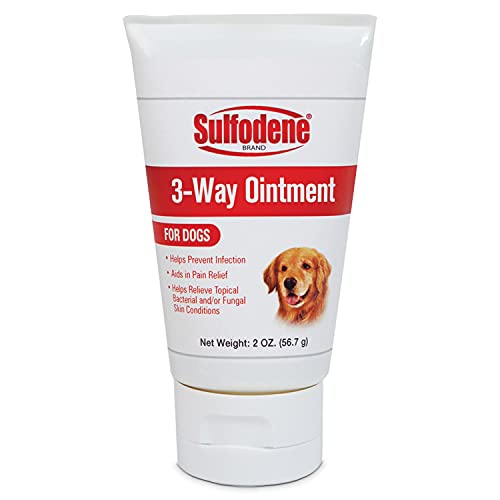
The Sulfodene 3-Way Ointment is designed to relieve pain and prevent infection in dog wounds. It provides a protective barrier to deter flies and germs while supporting topical healing. This option emphasizes affordability and ease of use for routine home care. Apply as directed to minor cuts, scrapes, bites, and injuries to support a clean healing environment.
Vetericyn Plus Dog Wound Care Spray

Vetericyn Plus provides a cleansing and skin repair action, suitable for cleaning cuts, abrasions, sores, and irritations. The formulation uses non-toxic hypochlorous technology, is pH-balanced, and designed to be safe even if licked. It is a versatile option for dogs at all life stages and can be used across other animals as needed.
Absorbine Silver Honey Rapid Wound Repair Ointment

This ointment blends Manuka honey with MicroSilver BG for rapid wound repair. It emphasizes veterinary-tested efficacy and a balanced pH to preserve the skin’s microbiome while avoiding antibiotics. It is marketed for quick soothing and healing support for wounds of various origins in dogs and larger animals.
Absorbine Silver Honey Hot Spot & Wound Care Ointment

Designed to treat hot spots, wounds, and skin irritations, this Absorbine formulation uses natural ingredients to promote healing without antibiotics. It aims to soothe itching and reduce the urge to lick or scratch while supporting rapid recovery across species.
SILVER GRADE Dog Wound Care Gel

This 2-ounce gel combines colloidal nano silver with honey to support wound healing for dogs, cats, and other pets. It is noted for non-antibiotic wound care and broad animal applicability. Users should monitor for licking and consider a cone if needed to maintain application effectiveness.
HICC PET Dog Wound Care Hydro Gel

HICC PET’s hydro gel uses HOCl to promote healing, soothe inflammation, and form a protective barrier that isolates infection sources. It is designed to be gentle yet powerful, helping treat bites, scratches, hot spots, and superficial ulcers while supporting the skin’s natural defenses.
Paw Science Skin & Wound Care Spray

This spray is formulated to cleanse wounds and reduce infection risk while supporting skin repair. It uses hypochlorous acid, a non-toxic, sting-free option that is safe if licked. It is positioned as a veterinary-grade first aid solution suitable for home care.
Buying Guide: How To Choose The Best Wound Ointment For Dogs
Key considerations when selecting a wound care product for dogs include the wound type, dog size, and likelihood of licking. Non-toxic ingredients and antibiotic-free formulas help minimize adverse effects and support safe home care. Consider the following perspectives:
- Wound Type: For acute cuts or abrasions, antiseptic cleansing plus a protective barrier can reduce infection risk. For hot spots, anti-inflammatory and soothing ingredients may be preferred.
- Animal Safety: Hypoallergenic or lick-safe formulations reduce ingestion concerns. If licking is likely, look for products explicitly labeled as safe if ingested or use a protective cone to limit licking during healing.
- Application Method: Gels and ointments stay on wound sites longer, while sprays can be easier for hard-to-reach areas or for larger wounds. Choose based on wound location and tolerances.
- Antibiotic Use: Many topical products avoid antibiotics, which can be suitable for minor wounds. For severe or worsening infections, consult a veterinarian for antibiotic options or wound care plans.
- Cross-Species Use: Some formulas are designed for multiple animals (dogs, cats, horses). If using on a mixed-parm household, this can streamline supplies, but ensure suitability for dogs specifically.
- Storage And Handling: Check for stability, required storage conditions, and expiration dates. Proper storage helps maintain efficacy over time.
- Veterinary Guidance: For persistent wounds, signs of infection, or systemic symptoms, seek professional veterinary care. Wound care is part of a broader treatment plan when necessary.
In selecting products, balance immediate wound care needs with long-term healing prospects. Consider starting with a cleansign and barrier-gel approach for minor wounds and hot spots, then escalate to targeted therapies if healing is slow or if irritation persists.