Best Therapeutic Dog Food for Skin Allergies: Top Picks for Healthy Skin
For dogs prone to itchy skin, rashes, and seasonal irritations, choosing a therapeutic diet can support skin health, digestion, and overall well-being. The following selections focus on high-quality proteins, omega fatty acids, probiotics, and limited ingredients when appropriate. Each product below is tailored to help dogs with skin sensitivities while maintaining a balanced diet for adult and growing dogs alike.
Overview of selected products:
| Product | Brand | Key Benefit |
|---|---|---|
| VICTOR Super Premium Dog Food — Sensitive Skin and Stomach | VICTOR | Gluten-free grains, no chicken, Omega 3/6 and Vitamin E for skin and coat; supports gut health with prebiotics and probiotics |
| Diamond Naturals Skin & Coat Real Salmon and Potato Recipe | DIAMOND NATURALS | Real salmon as #1 ingredient; omega fatty acids; probiotics and antioxidants for skin, coat, digestion, and immunity |
| Hill’s Science Diet Adult Sensitive Stomach & Skin Small Bites | Hill’s Science Diet | Digestible formula with prebiotic fiber; vitamins E and omega fatty acids for skin and coat |
| P.S. For Dogs Hypoallergenic Dog Food | P.S. For Dogs, With Love | Grain-free, high protein, New Zealand lamb; targets paw licking and skin itching with limited ingredients |
| Purina ONE Natural Sensitive Stomach + Skin & Coat | Purina ONE | Real salmon as first ingredient; omega-6 fatty acids and antioxidants for skin, coat, and immune support |
VICTOR Sensitive Skin And Stomach Dry Kibble

VICTOR’s formula centers on a gluten-free grain blend and excludes chicken, reducing common allergen exposures for sensitive dogs. The protein-forward recipe uses salmon meal as a primary ingredient to promote lean muscle and energy. It also includes Omega 3 and Omega 6 fatty acids and Vitamin E to nourish the skin and coat. Additionally, the presence of prebiotics and probiotics supports gut health, which is linked to systemic wellness and a robust immune response. Suitable for both adult dogs and puppies, this option emphasizes clear label transparency about protein sources and quality ingredients.
Diamond Naturals Skin & Coat Salmon & Potato Recipe

Diamond Naturals Skin & Coat uses real salmon as the #1 ingredient, supporting muscle maintenance and a vibrant coat. The formula is enriched with omega fatty acids from natural sources and include vegetables and superfoods to supply vitamins and minerals. Probiotics and prebiotics help digestion and support the immune system, while antioxidants promote overall wellness. This product is designed for all life stages, making it a versatile choice for households with dogs at different stages of life who need skin-supportive nutrition.
Hill’s Science Diet Adult Sensitive Stomach & Skin Small Bites

Hill’s Science Diet combines a gentle, highly digestible formula with prebiotic fiber to optimize nutrient absorption and gut comfort. Enriched with Vitamin E and omega-3 and omega-6 fatty acids, this option supports healthy skin and a lustrous coat. The small-bite size is convenient for smaller breeds or dogs with dental concerns, while the science-backed approach provides predictable, research-informed nutrition for dogs with sensitive stomachs and skin conditions.
P.S. For Dogs Hypoallergenic Lamb Food
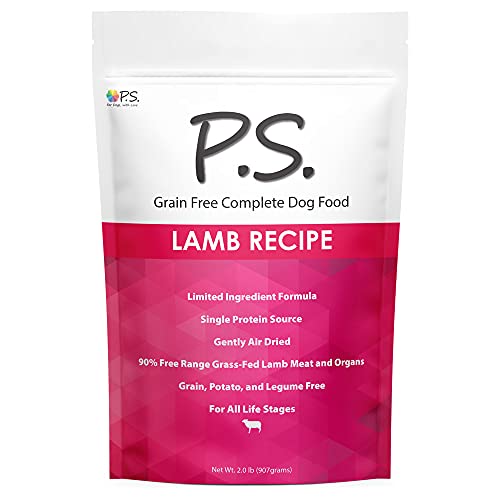
Ps for Dogs offers a grain-free, high-protein hypoallergenic option featuring New Zealand lamb as a primary ingredient. The air-dried format provides soft, palatable pieces that many dogs find irresistible, with a focus on minimizing skin irritation and paw licking. The limited ingredients help reduce possible allergens while delivering a protein-dense profile designed for dogs with sensitive skin and digestive systems alike. This product can function well as a primary diet or as a supplementary treat within a balanced feeding plan.
Purina ONE Natural Sensitive Stomach + Skin & Coat

This Purina ONE formula emphasizes real salmon as the first ingredient to help sustain lean muscles and support heart health. It blends high-quality ingredients with vitamin E and omega-6 fatty acids to promote healthy skin and a radiant coat. The product also includes antioxidant sources to bolster the immune system and natural glucosamine for joint health, offering a well-rounded option for dogs with skin sensitivities and digestive needs. It’s a straightforward, everyday choice for households seeking a dependable balance of taste and dermatological support.
Buying Guide: Key Purchase Considerations
When selecting a therapeutic dog food for skin allergies, consider the following factors to tailor a choice to your dog’s needs:
- Allergen profile: Determine if your dog reacts to chicken, grains, dairy, or other common ingredients. A chicken-free or grain-free option may be beneficial for some dogs with skin issues.
- Protein source and quality: Look for high-quality single or limited protein sources (e.g., salmon, lamb). Real meat as the first ingredient is a positive indicator of protein quality.
- Omega fatty acids: Ensure the formula includes omega-3 and omega-6 fatty acids (EPA, DHA) to support skin health and coat condition.
- Digestive support: Probiotics and prebiotics help gut health, which can influence skin health and immune responses.
- Life stage and size compatibility: Choose a formula appropriate for your dog’s life stage (puppy vs. adult) and size to meet calorie and nutrient needs.
- Texture and palatability: Some dogs prefer kibble size or texture; others may require softer formats like air-dried options for easier chewing and acceptance.
- Vet guidance: For persistent or severe skin allergies, consult a veterinarian or veterinary dermatologist to rule out underlying conditions and to discuss therapeutic diets or supplements.
- Monitoring and transition: Introduce any new diet gradually over 7–10 days to minimize stomach upset and observe for skin improvements over several weeks.
In summary, the products highlighted combine skin-supportive nutrients with gut health benefits, offering multiple pathways to address canine skin allergies. The right choice depends on your dog’s specific sensitivities, dietary preferences, and overall health goals. Always monitor your dog’s response and seek professional advice for ongoing concerns.