Best Tablets and Chews to Help Stop Dogs From Eating Their Own Poop
Dogs that eat their own poop (coprophagia) can be challenging for owners. This guide focuses on chewable supplements and tablets designed to deter this behavior, support digestive health, and freshen breath. The products below combine probiotics, digestive enzymes, and other nutrients aimed at addressing root causes such as indigestion, nutritional gaps, and intestinal balance. Each option is vetted for canine health benefits and ease of use.
| Product | Brand | Focus | Designed For |
|---|---|---|---|
| TTIXRL 200 Chews No Poo Chews | TTIXRL | Deterrent, Digestive Support | Dogs with coprophagia |
| NEXZL 200 Chew No Poo Chews | NEXZL | Deterrent, Probiotics | Dogs with stool-eating tendencies |
| PAWFECTCHEW Coprophagia Deterrent | PAWFECTCHEW | Deterrent, Probiotics | Dogs prone to stool eating |
| YUMA’S No Poo Chews | YUMA’S | Deterrent, Digestive Health | Dogs needing gut support |
| BARK&SPARK No Poo Chews | BARK&SPARK | Deterrent, Probiotics | Dogs with coprophagia |
TTIXRL 200 Chews No Poo Chews

TTIXRL No Poo Chews combine digestive enzymes and probiotics designed to address the root causes of coprophagia. The chews aim to balance digestion, alter the odor and taste of stool, and gradually reduce a dog’s inclination to eat poop. The formula highlights immune support and breath freshening benefits, presenting a multi-faceted approach to canine gut health and behavior. Long-term use is described as promoting a healthier lifestyle and easier care for owners and pets alike.
NEXZL 200 Chew No Poo Chews
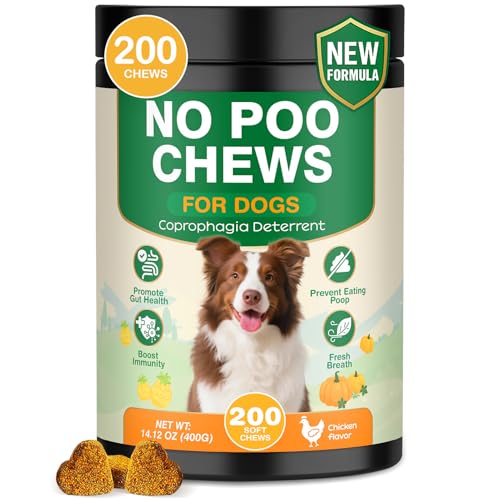
NEXZL No Poo Chews focus on changing the behavior around stool eating by affecting the smell and taste of feces, while supporting digestive and immune health. Probiotics, digestive enzymes, and prebiotics are emphasized to reinforce gut balance. Repetitive use may help regulate both physical and mental aspects of the dog’s behavior, contributing to a more harmonious daily routine and healthier breath over time.
PAWFECTCHEW Coprophagia Deterrent
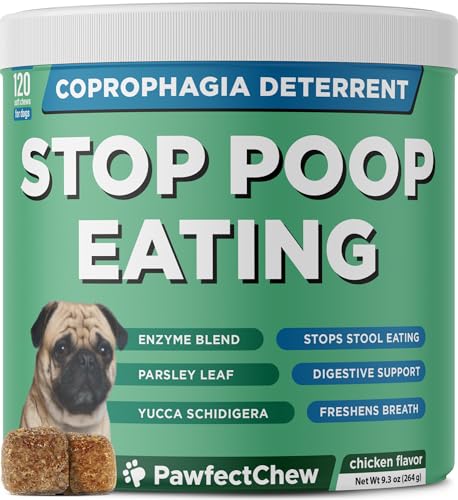
PAWFECTCHEW presents a veterinarian-formulated blend designed to deter stool eating while supporting digestive health. The product is infused with probiotics and digestive enzymes to aid nutrient absorption and promote a healthier gut. This combination aims to reduce the urge to eat feces and help maintain a clean home environment with consistent use.
YUMA’S No Poo Chews

YUMA’S No Poo Chews emphasize digestive health through a robust blend of probiotics and digestive enzymes. The formula is designed to support gut balance and improve nutrient absorption, with veterinarians contributing to its development to address the underlying digestive factors that can lead to stool-eating behavior. Regular use is promoted to maintain a healthier microbiome and better breath for everyday interactions.
BARK&SPARK No Poo Chews

BARK&SPARK No Poo Chews are designed to deter stool eating while supporting digestive health with a blend of probiotics and digestive enzymes. The product emphasizes a vet-formulated approach to reducing the urge to eat feces and improving overall gut health, aiming to deliver a more manageable daily routine for pets and owners alike.
Buying Guide: How to Choose the Right Coprophagia Deterrent
- Active ingredients: Look for products with probiotics, digestive enzymes, and prebiotics that support gut health and nutrient absorption. These formulas address digestion from the inside out, which can reduce stool-eating triggers.
- Flavor and texture: Treat-like chews are more likely to be accepted by dogs. Choose flavors your dog already enjoys, and consider texture if your dog has chewing preferences or dental concerns.
- Behavior vs. biology balance: Deterrents may work best when combined with training and environmental management. Pair supplements with regular bathroom breaks, clean up stools promptly, and use positive reinforcement for desired behaviors.
- Veterinary guidance: If coprophagia is persistent or severe, consult a veterinarian to rule out medical issues such as nutritional deficiencies or parasitic infections. Vet-formulated options often reflect professional guidance.
- Usage duration: Many dogs respond to deterrents within a few weeks, but some may need longer. Monitor changes in stool-eating frequency and breath odor, adjusting as needed.
- Quality and safety: Choose products from reputable brands with transparent ingredient lists. Look for products manufactured in the USA and backed by third-party testing where possible.
- Allergies and sensitivities: Check ingredient lists for potential allergens (e.g., chicken by-products or grains) and consult your vet if your dog has known sensitivities.
Coprophagia deterrents can be a useful component of a comprehensive plan. When selecting a product, consider your dog’s digestive health, behavior history, taste preferences, and veterinary advice to choose the most suitable option for sustained use.