Best Substrate for Aquatic Plants to Boost Healthy Growth
Choosing the best substrate for aquatic plants is essential for creating a thriving planted aquarium. This article highlights top-rated substrates designed to enhance nutrient absorption, maintain ideal pH, and support aquatic life such as shrimp and tropical fish. Below is a summary table of the selected products for quick reference:
| Product | Brand | Key Features |
|---|---|---|
| Fluval Plant and Shrimp Stratum (4.4 lbs) | Fluval | Porous for nitrifying bacteria, supports neutral to slightly acidic pH, shelter for newborn shrimp |
| Aqueon Plant and Shrimp Aquarium Substrate (5 lbs) | Aqueon | Supports various freshwater plants, shrimp, snails, tropical fish growth |
| Omitgoter Aquatic Plant Soil, Natural Organic (6.6 lbs) | Omitgoter | 100% natural soil, promotes microbial balance, versatile for ponds, aquariums, terrariums |
| LANDEN Aqua Soil Substrate (5L / 10 lbs) | LANDEN | Natural materials, porous for bacteria, rich in minerals, supports soft water shrimp |
| Doter Aquatic Plant Soil (3.3 lbs) | Doter | Natural ingredients, balanced pH, slow-release minerals, multi-environment use |
Fluval Plant and Shrimp Stratum Aquarium Substrate
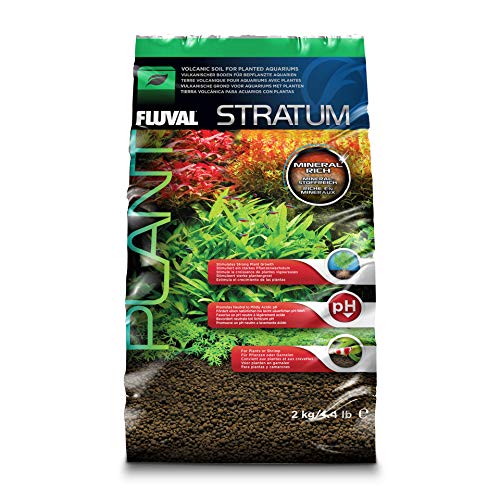
The Fluval 12693 Plant and Shrimp Stratum is specially formulated to support the rapid colonization of beneficial nitrifying bacteria, which keeps the aquarium ecosystem healthy. Its porous structure creates an ideal environment for plants to absorb nutrients efficiently.
This substrate maintains a neutral to slightly acidic pH, optimal for many tropical fish, shrimp, and freshwater plants. It also acts as a shelter for newborn shrimp, protecting them until they’re strong enough to thrive in the tank. Ideal for small planted tanks or those housing shrimp species that require stable water chemistry.
Aqueon Plant and Shrimp Aquarium Substrate
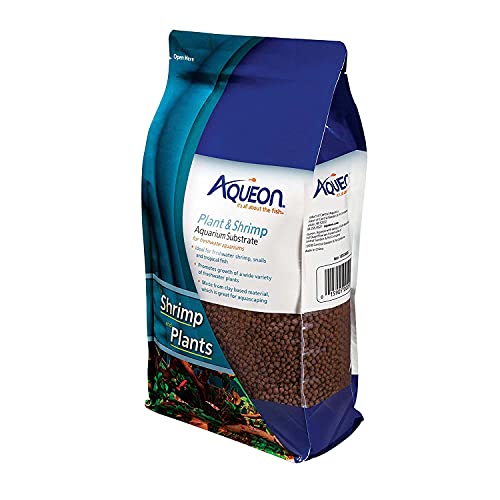
The Aqueon Plant and Shrimp Aquarium Substrate comes in a convenient 5-pound bag and is an excellent choice for a wide range of freshwater aquatic plants. Its formula actively promotes the growth of plants, shrimp, snails, and tropical fish, making it versatile for various aquatic setups.
This substrate effectively supports root development and overall plant health without altering the water chemistry significantly. It offers balanced conditions that meet the needs of diverse aquarium inhabitants, especially suited for beginners or those maintaining mixed aquatic environments.
Omitgoter Natural Organic Aquatic Plant Soil
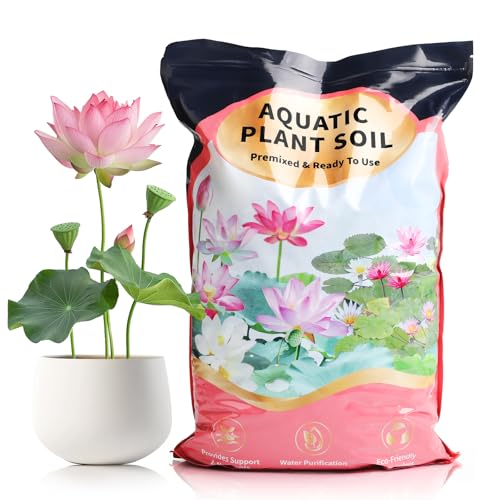
The Omitgoter Aquatic Plant Soil is crafted with a scientifically formulated 100% natural soil mixture, designed specifically to nurture aquatic plants. It supports microbial activity that enhances the ecological balance in aquariums or ponds, creating a stable environment for sustained plant growth.
This substrate’s versatility extends to different aquatic settings such as lotus pond landscaping, hydroponic vegetable gardens, rainforests, and terrariums. Its rich nutrient clay base provides essential minerals while being safe for fish and shrimp.
LANDEN Natural Aqua Soil Substrate for Planted Aquariums
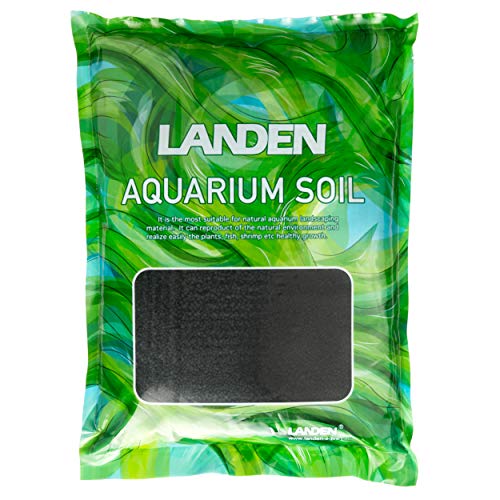
LANDEN Aqua Soil is made from specially processed natural earth materials, creating a nutrient-rich substrate ideal for planted aquariums. It provides a healthy root system and suits shrimp that thrive in softer water conditions.
This substrate offers a porous structure that fosters beneficial bacteria growth, which keeps aquarium water clean and healthy. The mildly acidic water condition it promotes is preferred by most aquatic plants. It also releases fertilizers slowly, supporting sustained plant growth.
Note that initial ammonia levels might rise; frequent partial water changes during the first two weeks help stabilize water conditions.
Doter Nutrient-Rich Aquatic Plant Soil

The Doter Aquatic Plant Soil incorporates 100% natural ingredients with a balanced pH and mineral composition ideal for various aquatic plants. This substrate encourages robust root development and vibrant flowering due to its slow-release mineral content.
It is suitable for diverse environments including aquariums, water gardens, and pond soil. Its compact granular form helps prevent water cloudiness while stabilizing the growth medium in both indoor and outdoor water plant setups.
Buying Guide: What To Look For In Aquatic Plant Substrates
Choosing the right substrate is a critical step in cultivating healthy aquatic plants. Here are key considerations that help you select the best substrate for your aquatic environment:
Nutrient Content and Release
Substrates rich in essential minerals like iron, potassium, and nitrogen foster strong root systems and vibrant growth. Look for slow-release nutrient formulas that sustain plant health over time without frequent supplementation.
Porosity and Structure
A substrate with a porous structure promotes beneficial bacteria colonization that breaks down waste and stabilizes water chemistry. Good aeration in the substrate prevents anaerobic zones harmful to plant roots.
pH Compatibility
Select substrates that support the ideal pH range for your aquatic plants. Most freshwater plants prefer neutral to slightly acidic conditions. A substrate that buffers pH reduces fluctuation and improves overall tank stability.
Safety for Inhabitants
Ensure the substrate is safe for aquarium inhabitants including shrimp, snails, and fish. Substances that release harmful substances or raise toxins should be avoided in planted tanks.
Versatility and Usage
Depending on your aquatic setup, consider substrates that work both in aquariums and outdoor ponds. Multi-environment compatible substrates provide flexibility if you change setups.
Ease of Use and Maintenance
Some substrates require initial flushing or cycling before planting. Check if partial water changes or conditioning steps are recommended to stabilize ammonia or pH during initial setup.
Appearance and Color
The substrate color influences the aquarium’s visual appeal and plant growth reflection. Darker substrates often enhance plant color contrast and reduce algae growth, but personal preference and biotope goals matter.
By considering these factors carefully, aquarists can select substrates that provide nutrients, maintain water quality, and support diverse aquatic plants and animals effectively.