Best Spineless Cactus for Tortoise Care and Diet
Spineless cactus, or Opuntia varieties, offer a convenient forage option for tortoises and other reptiles. This guide highlights five Amazon options that are marketed as spineless opuntia suitable for tortoises and similar pets. Each product features varying claims about safety, ease of growth, and suitability for multiple species. Always verify compatibility with your pet and consult a veterinarian before introducing new greens to a reptile diet.
| Product | Brand | Notes |
|---|---|---|
| 12-Oz Fresh Spineless Opuntia | ARTISTIC SOLUTIONS | May contain small needles; buyer responsible for suitability |
| 12 Oz Spineless Opuntia | KCHEX | Great for reptiles; easy to grow |
| Live Spineless Prickly Pear Cactus (Pad) | Generic | Winter hardy; single pad cutting |
| Spineless Opuntia For Tortoises | Abutilon | Shipped same day; versatile for reptiles and humans |
Spineless Prickly Pear Cactus For Tortoises
The ARTISTIC SOLUTIONS Spineless Opuntia is a 12-ounce option marketed for tortoises and other reptiles. It stresses that spines may be very small rather than completely absent, and it notes buyer responsibility for determining suitability. This product emphasizes ease of use and general feeding versatility for herbivorous pets. Consider this as a supplementary forage rather than a sole dietary staple for a healthy, varied reptile diet.

Features emphasize that even without long spines, some tiny needles may remain, and it cautions buyers to verify suitability for their tortoise or other pets. This product includes a clear safety disclaimer and a note about liability shifting away from the seller. As a result, owners should review their pet’s dietary needs and any local guidelines before feeding.
Spineless Opuntia For Reptiles And Tortoises
KCHEX offers a 12-ounce Spineless Opuntia described as great for reptiles, tortoises, iguanas, and even humans. Its key selling points are easy cultivation and same-day shipment. This product places emphasis on convenience and breadth of use, making it a potential option for households with multiple pet types or for owners seeking a versatile cactus snack.

Features highlight rapid fulfillment and broad applicability across reptiles and even humans, signaling a consumer-friendly product. As always, ensure the cactus is prepared properly (cleaned, trimmed, and appropriately served) to prevent irritation or digestive issues in a tortoise. This option is presented as easy to grow, which may help new tortoise keepers build a varied plant-based diet.
Live Spineless Prickly Pear Cactus Pad
The Creation Cultivated listing provides a live spineless prickly pear cactus pad, marketed as Opuntia cacanapa Ellisiana. It is described as very winter hardy, suitable for USDA zones 6 to 10, and capable of producing edible pears and flowers. This option is offered as a single unrooted pad cutting, which could appeal to hobbyists looking to expand a cactus collection for feed. Buyers should note DoA claims require immediate reporting with photos after delivery.
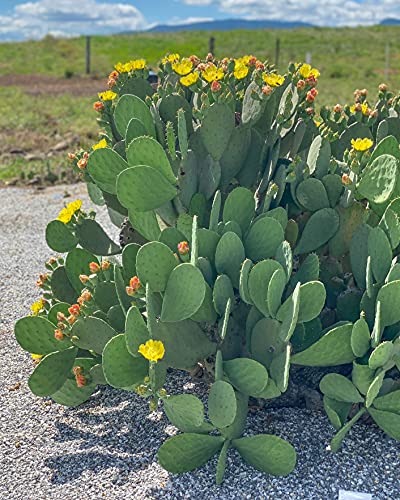
As a winter-hardy option, this product emphasizes robust performance in cooler climates. It is sold as unrooted, freshly cut cactus pads, designed for tortoise food inclusion. Prospective buyers should be aware of shipping reliability, arrival quality, and the specific climate suitability for their region. Proper handling and preparation are essential to ensure safety and acceptance by pets.
Fresh Spineless Opuntia For Reptiles And Humans
Abutilon markets a 2-pound package described as spineless Opuntia suitable for tortoises, turtles, iguanas, and other reptiles, with the added note that humans may also consume it. The emphasis is on easy growth and same-day shipping, which may appeal to buyers seeking reliable supply. This option highlights versatility across species and household use, while emphasizing prompt fulfillment.

While marketed as suitable for both reptiles and humans, owners should exercise caution and verify compatibility with their specific tortoise species. The product claims straightforward growth and quick shipment, which can be appealing for new keepers building a varied edible plant list. Always introduce new greens gradually and monitor digestion and feeding response.
Buying Guide: Spineless Cactus For Tortoise Diet
- Species suitability: Verify that spineless opuntia is appropriate for your tortoise species, as some individuals may have sensitivities to cactus pads or spines.
- Spine safety: Some products may contain tiny needles even if labeled spineless. Inspect each piece before feeding and trim as needed to minimize irritation.
- Climate and sourcing: Winter-hardiness and zone information help determine if a product will thrive in your environment. When purchasing live pads, consider delivery reliability and freshness.
- Feeding variety: Use spineless cactus as a supplementary forage rather than a sole diet item. Balance with greens, hay, weeds, and approved vegetables for a varied diet.
- Preparation and serving: Rinse, trim, and chop pads into bite-sized pieces appropriate for your tortoise’s size. Monitor portions to avoid overfeeding.
- Safety disclosures: Pay attention to disclaimers about buyer responsibility and DoA policies. Document delivery conditions if required by the seller’s policies.
- Storage: For dried or preserved options, follow product storage guidelines to maintain texture and safety. For live pads, maintain appropriate humidity and light if kept as a home plant.
- Veterinary guidance: If your tortoise has a health condition or dietary restriction, consult a vet before introducing cactus or new greens.