Best Reptile Egg Incubator: Top Cabinets for Hatching Eggs
For reptile enthusiasts and professionals alike, a reliable incubator is essential for successful egg hatching. The following selection highlights five cabinet-style incubators designed to maintain stable temperatures, support humidity control, and provide clear visibility during incubation. Each option below includes practical design features suited to turtles, lizards, snakes, geckos, and other small reptiles.
Summary of Selected Products
- PLOCVB Cabinet Incubators for Hatching Eggs — Precise temperature control with automatic heating and cooling, drainage for condensate, 23L capacity.
- DEZHXHE Reptile Incubator 33L — Digital temperature control from 50°F to 104°F, glass viewing door, compact lab-style design.
- kitneed Reptile Egg Incubator 23L — Cabinet with bottom drain, 6.08 gal capacity, clear viewing, multi-egg capability.
- TROPOW Incubators for Hatching Eggs 25L — LED temperature display, dual AC/DC power, 10°C to 60°C range, adjustable shelves.
- LyeXD 23L Reptile Egg Incubator — Accurate ±34.7°F control, automatic heating/cooling, user-friendly control panel.
PLOCVB Cabinet Incubators for Hatching Eggs

The PLOCVB cabinet incubator delivers precise temperature control via an advanced sensor, enabling adjustments within a broad range. Temperature stability is maintained within approximately ±1.0°C (34.7°F). The unit supports a 23L capacity suitable for small clutches, and its design includes a bottom drain for condensate drainage and an external drain tray for easy cleaning. An intelligent feature automatically heats in winter and cools in summer to maintain a consistent incubation environment. These elements help keep oxygen levels appropriate inside the chamber and support reliable hatch outcomes.
DEZHXHE Reptile Incubator 33L

The DEZHXHE model provides a digital temperature control range from 50°F to 104°F with a visible glass door for monitoring without disturbance. Designed for smaller reptiles, it accommodates up to 33L of incubation space and operates with a straightforward control panel for adjustments. The clear viewing door helps observers check egg conditions throughout development, while the temperature control supports a stable incubation atmosphere, essential for hatch success across species such as small lizards, snakes, and geckos.
JOBEDE 16 Grids Reptile Breeding Box
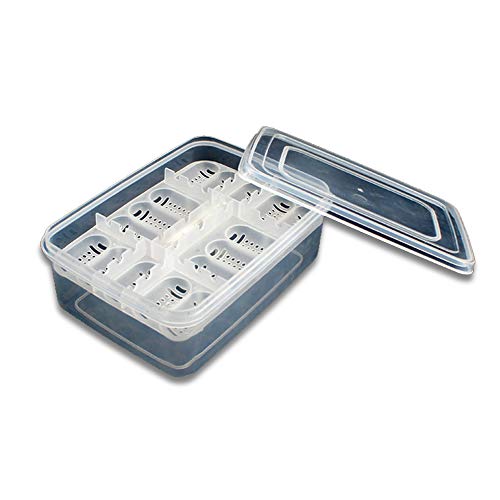
Designed as a practical incubator-style breeding box, the JOBEDE unit offers a compact 6.6×4.8×2.4 inch footprint with a 16-grid egg tray. It supports observing egg development through a highly transparent lid and is made from durable, non-toxic plastic. While not a full cabinet incubator, it serves as a reliable hatchery box for small to medium clutch sizes and is suitable for reptiles and amphibians, including geckos, lizards, snakes, and turtles. It’s an excellent supplemental incubator for controlled hatching environments in a lab or home setting.
Pangea Hatch Premium Substrate

This substrate by Pangea Hatch is a premium incubation medium suitable for all reptile eggs. It holds multiple times its weight in water and remains highly porous, aiding moisture management. The medium changes color to reflect moisture levels, providing a simple visual cue for humidity monitoring. It is reusable, does not break down, and resists floating, supporting consistent incubation conditions across various species while helping maintain the necessary moisture balance inside the incubator.
Reptile Egg Incubator 23L by kitneed

The kitneed 23L incubator emphasizes accurate control via a sensory system that maintains temperature precision within approximately ±34.7°F. Its design incorporates a bottom drainage hole to discharge condensate and airflow management to preserve oxygen levels inside the cabinet. The control panel provides easy temperature adjustments from 50-104°F, with a large capacity that can accommodate several eggs at once. A practical choice for hobbyists and educational settings aiming to hatch multiple specimens in a single session.
TROPOW Incubators for Hatching Eggs

The TROPOW incubator offers a 25L capacity with an LED display for precise temperature monitoring. It supports a wide range from 10°C to 60°C (72°F to 140°F) and includes both AC and DC power options, making it suitable for home use, travel, or fieldwork. Removable shelves and a water tray enable flexible humidity management. This setup accommodates multiple small reptile clutches and provides versatility for hobbyists who require portable incubation options without sacrificing accuracy.
LyeXD 23L Reptile Egg Incubator

The LyeXD incubator emphasizes precise control with sensors delivering ±34.7°F accuracy and simple adjustments via a front-mounted control panel (50-104°F). An intelligent system automatically heats in winter and cools in summer to sustain stable incubation conditions year-round. Its 23L capacity makes it practical for clutch management in small to medium scale setups, supporting reptiles such as lizards, snakes, and other species that require careful temperature regulation.
Buying Guide: Key Factors When Choosing a Reptile Egg Incubator
- Temperature stability: Look for precise sensors and a clear control range that matches the species you incubate. A narrow fluctuation range supports higher hatch rates.
- Capacity and layout: Choose a size that matches your typical clutch size. Cabinet incubators with shelves or multi-grid trays allow batch incubation and easy moisture distribution.
- Humidity management: Integrated water trays or condensate drainage helps maintain stable humidity, essential for eggs with moisture-sensitive development.
- Power options: Dual AC/DC capabilities provide flexibility for home use, vehicles, or remote locations where electrical access varies.
- Monitoring visibility: A transparent front or glass door lets you observe egg development without opening the cabinet, reducing temperature fluctuation.
- Ease of cleaning: Easy drain systems and removable shelves simplify maintenance and reduce contamination risks.
- Material and safety: Use food-grade or non-toxic materials to avoid chemical exposure to developing embryos.
- Reliability features: Look for automatic heating or cooling responses to environmental changes and user-friendly interfaces for quick adjustments.
- Portability vs. capacity: If you need to move incubators often, prioritize lighter units with robust power options; for large hatches, weight and stability become more important.
Across these options, buyers should weigh versatility against the expected hatch scale. Cabinet-style models generally provide stable environments, while smaller breeding boxes offer targeted solutions for limited or specialized clutches. Consider your species, climate, and the available space when selecting an incubator to optimize hatch success and simplify ongoing maintenance.