Best Prescription Dog Foods for Food Allergies: Skin & Digestive Solutions
Finding the right prescription dog food can help manage food allergies and skin sensitivities effectively. This guide reviews five top options designed by veterinarians and nutritionists to support dogs with adverse reactions to common foods, while promoting healthy skin and digestion. Each product highlights hydrolyzed proteins, environmental sensitivity support, or GI-friendly formulations to address different allergy-related symptoms.
| Product | Key Benefit | Size |
|---|---|---|
| Hill’s Prescription Diet z/d Dry | Hydrolyzed protein to avoid immune detection | 8 lb |
| Hill’s Derm Complete Skin & Food Sensitivities Dry | Supports skin barrier; environment-related sensitivities | 6.5 lb |
| Hill’s Derm Complete Rice & Egg Dry | Skin support; year-round sensitivity management | |
| Hill’s Prescription Diet z/d Dry (25 lb) | Clinical protein hydrolysis for sensitivities | 25 lb |
| Hill’s Prescription Diet z/d Small Bites Dry | Hydrolyzed protein; easier-to-chew formula | 7 lb |
The following sections detail each product’s profile, what to consider when choosing prescription dog food, and how to compare options for a dog with food allergies.
Hill’s Prescription Diet z/d Skin/Food Sensitivities Hydrolyzed Dry Dog Food

Hill’s z/d is designed to help dogs with both skin and digestive signs from adverse food reactions. It uses highly hydrolyzed proteins that are less likely to trigger an immune response, and nutritionists and veterinarians developed the formula to support dogs with sensitivities. This dry option is widely used in clinical settings and offers a reliable baseline for managing severe reactions. Consider this when a dog’s symptoms indicate a strong link to food proteins.
Hill’s Prescription Diet Derm Complete Skin & Food Sensitivities Dry Dog Food

Derm Complete focuses on environmental and skin sensitivities. It supports the skin’s natural barrier and is tailored to year-round exposure to irritants, with a formula that aims to promote visible skin healing in dogs with food allergies within weeks. This option is particularly relevant for dogs showing environmental-triggered dermatitis alongside dietary sensitivity.
Hill’s Prescription Diet Derm Complete Skin & Food Sensitivities Dry Dog Food, Rice & Egg Recipe

This Rice & Egg recipe emphasizes environmental and skin sensitivities management. The formulation supports the skin’s natural barrier against irritants year-round and is designed to aid dogs with food allergies, aiming for improved skin appearance and comfort. The protein sources are chosen to minimize triggering immune responses.
Hill’s Prescription Diet z/d Skin/Food Sensitivities Hydrolyzed Dry Dog Food (25 lb)

A larger size option of the z/d hydrolyzed formula, this dry food is designed for dogs with persistent food sensitivities. The product’s hydrolyzed protein strategy reduces the likelihood of triggering the immune system, while providing balanced nutrition for long-term management of skin and digestive signs linked to allergies.
Hill’s Prescription Diet z/d Skin/Food Sensitivities Hydrolyzed Dry Dog Food (Small Bites)

The Small Bites variant maintains the hydrolyzed protein approach in a smaller kibble size, which can be beneficial for dogs with dental issues or picky eaters who require a more digestible and easier-to-chew option. It aims to deliver consistent management of skin and digestive symptoms associated with food sensitivities.
Hill’s Prescription Diet Hypoallergenic Dog Treats
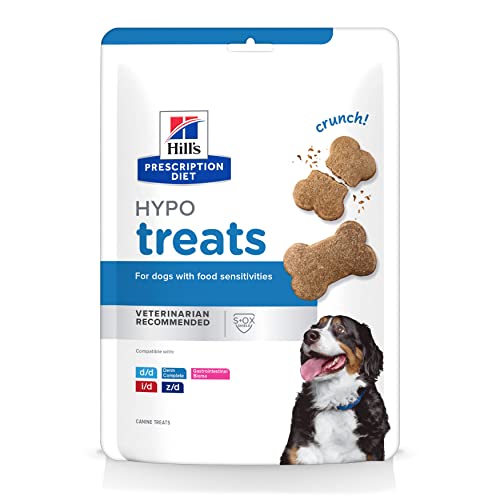
While not a complete meal, these treats are formulated for dogs with food sensitivities and help supplement a strict diet. They include hydrolyzed protein and increased omega-3 and omega-6 fatty acids to nourish the skin and coat. Treats can support a complete allergy-management plan when used as directed by a veterinarian.
Buying Guide: Key Considerations For Prescription Dog Food
- Identification Of Triggers — Determine whether the allergy is primarily protein-based or environmental. Hydrolyzed-protein formulas mask the immune system’s ability to recognize proteins, which can help dogs with suspected protein allergies.
- Formulation Type — Dry vs wet foods offer different benefits. Wet food can improve palatability and hydration, while dry food may be more convenient and cost-effective for long-term management.
- Skin vs GI Focus — Some formulas prioritize skin barrier support (Derm Complete lines), while others emphasize gastrointestinal health and microbiome balance (Gastrointestinal Biome, z/d variations).
- Digestibility And Palatability — Readations and texture (normal kibble vs small bites) can affect acceptance. Consider switching gradually to prevent digestive upset.
- Long-Term Management — For chronic allergies, work with a veterinarian to monitor skin healing, stool quality, and any adverse reactions to ingredients.
- Brand And Vet Endorsement — Products from established veterinary diets often have clinical backing and veterinarian support for ongoing management.
- Allergen Overlap — Some dogs respond to environmental triggers or specific ingredients; a comprehensive approach may involve both dietary and environmental controls.
- Size And Availability — Larger bags can reduce cost per day but may require longer storage. Ensure the formula aligns with your dog’s current weight and anticipated growth.
- Monitoring Plan — Track skin condition, stool consistency, energy levels, and coat quality to assess efficacy and adjust as needed with veterinary guidance.
Choosing the right prescription dog food for a dog with food allergies requires careful alignment with a veterinarian’s guidance. The products highlighted here cover a range of common allergy presentations—from hydrolyzed protein strategies to skin barrier support and GI-focused nutrition—offering multiple pathways to symptom relief and improved quality of life for canine companions.