Best pH Solutions for Saltwater Aquariums
Maintaining stable pH is essential for the health and color of saltwater and reef inhabitants. This guide reviews top pH products designed for saltwater tanks, including pH stabilizers, adjustments, and reliable test kits. Each section covers how the product supports pH balance, its compatibility with saltwater systems, and practical usage tips.
| Product | Brand | Role |
|---|---|---|
| API PROPER pH 8.2 Freshwater Aquarium Water pH Stabilizer | API | Stabilizes pH to 8.2 for fish health; suitable for saltwater and brackish setups |
| API HIGH RANGE PH TEST KIT 160-Test | API | Accurate pH monitoring in the 7.4–8.8 range; supports saltwater care |
| KORDON #35316 pH Increase Adjuster | Kordon | Raises pH quickly; works in freshwater and saltwater tanks |
| API pH UP Freshwater Aquarium pH Raising Solution | API | Raising solution for freshwater systems; safe with plants and fish |
| API SALTWATER MASTER TEST KIT 550-Test | API | Comprehensive saltwater testing kit for pH, ammonia, nitrite, nitrate |
API PROPER pH 8.2 Stabilizer for Saltwater Tanks

The API PROPER pH 8.2 Stabilizer is designed to set and maintain a stable pH level at 8.2, helping aquatic life in saltwater, brackish, and African cichlid setups stay healthy and colorful. The product is formulated to address pH fluctuations caused by CO2 buildup, salts, and biological activity. Regular use can minimize pH swings that stress fish and invertebrates. For saltwater tanks, stabilization reduces the risk of sudden pH drops that can disrupt coral and inverter life. Follow dosing instructions to avoid overshoot and routinely monitor pH with a test kit.
API HIGH RANGE pH Test Kit 160-Test

Monitoring pH is critical in saltwater systems where coral, fish, and invertebrates rely on stable alkalinity. The API High Range pH Test Kit provides up to 160 tests and covers a reading range from 7.4 to 8.8, ideal for marine environments. The kit includes testing solutions, a color card, and a test tube with cap, ensuring consistent results over time. Regular testing helps detect drift early, allowing targeted adjustments with pH stabilizers or buffers to prevent stress-inducing fluctuations.
KORDON #35326 pH Decrease Adjuster

The KORDON pH Decrease Adjuster is designed to gradually lower pH levels, offering a controlled method to bring the tank to a desired acidic state. It works in both freshwater and saltwater tanks and is compatible with pH stabilizers to maintain a stable environment. Gradual adjustments help prevent sudden shocks to fish and corals. Use in conjunction with regular pH testing to track responses and avoid overshooting the target pH level. This product is part of a broader pH management strategy for mixed-requirement tanks.
KORDON #35316 pH Increase Adjuster

The KORDON pH Increase Adjuster quickly raises pH levels, providing a reliable method to reach higher alkalinity in both freshwater and saltwater tanks. Pair it with gradual changes and ongoing monitoring to sustain a stable marine environment. This product is especially useful when sources of acidity are common or during new tank cycles where pH tends to drift downward. Combined use with a pH buffer or stabilizer can help maintain consistent conditions for sensitive species.
API pH UP Freshwater pH Raising Solution
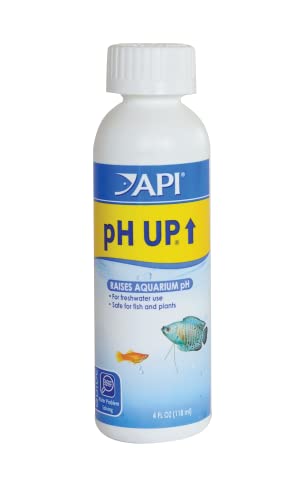
Although labeled for freshwater, API pH Up provides a safe phosphate-free method to raise pH when needed. It is compatible with plant and fish needs and can be used in mixed tanks, including some brackish setups, when daily monitoring ensures pH remains within target ranges. In saltwater systems, use conservatively and in combination with a buffering strategy to avoid rapid pH increases that can stress coral and livestock. Regular test intervals help identify when adjustments are needed.
API pH DOWN Freshwater Aquarium pH Reducing Solution
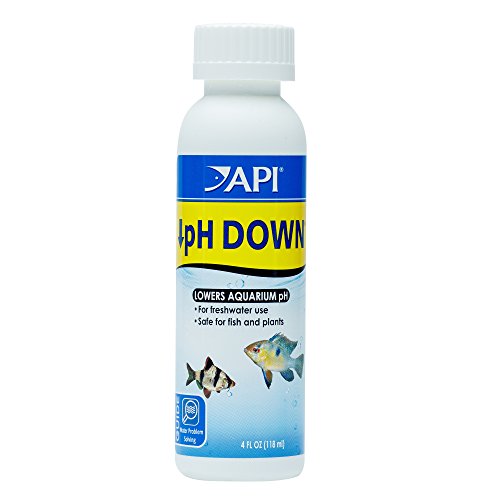
API pH Down lowers pH in freshwater environments with a phosphate-free formula designed to minimize algae risks linked to pH changes. In saltwater systems, careful use alongside testing helps maintain stable alkalinity and dissolved inorganic carbon levels. For reef tanks, maintaining stable pH supports calcification processes in corals and the health of symbiotic organisms. As with all pH adjustments, gradual dosing and tracking with a test kit are essential to prevent sudden shifts.
API Saltwater Master Test Kit 550-Test
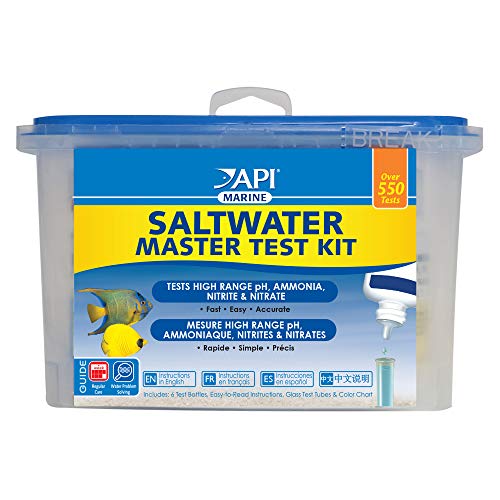
The Saltwater Master Test Kit combines several essential tests into one kit, including high range pH, ammonia, nitrite, and nitrate. It is tailored for saltwater aquariums, delivering accurate readings that help prevent invisible problems that threaten fish and coral. Regular testing supports precise pH management by informing whether adjustments are needed or whether buffering, water changes, or filtration improvements are required. This kit is a core tool for maintaining stable water chemistry in marine systems.
Buying Guide: Key pH Purchase Considerations for Saltwater Aquariums
- Tank type and inhabitants: Coral and invertebrate-dominated tanks are typically more sensitive to pH shifts and require tighter control.
- Testing regimen: Use a reliable test kit to track pH and related parameters (alkalinity, ammonia, nitrite, nitrate). Regular testing helps prevent sudden changes that stress livestock.
- Stabilization vs. adjustment: Stabilizers set a target pH and minimize drift, while pH up/down products allow deliberate adjustments. In reef tanks, gradual adjustments are safer.
- Buffering and alkalinity: pH stability is tied to alkalinity. Consider products that support both pH and alkalinity to maintain a stable carbonate system.
- Compatibility and dosing: Some products are labeled for freshwater but work in saltwater with care. Follow dosing guidelines and monitor tank response.
- Water source and salinity: Tap water, RO/DI water, and salinity levels influence pH. Always test after water changes and adjust accordingly.
- Long-term strategy: Combine a routine of testing, controlled dosing, and reliable filtration (livestock-compatible biofilters) to sustain stable pH and water chemistry over time.
- Safety and dosing accuracy: Use labeled containers, store correctly, and never mix products directly in the tank. Add solutions gradually and observe livestock responses.