Best Pet Carrier Chest Pack for Walking, Hiking and Travel
Choosing the right pet carrier chest pack can make walking, hiking, and travel more enjoyable for both you and your small to medium pet. This guide covers five highly-rated options designed for comfort, safety, and easy access. Each entry highlights fit, usage tips, and what to look for when comparing models for daily walks or outdoor adventures.
| Product | Brand | Key Benefit |
|---|---|---|
| Mosago Dog Backpack Carrier (First Listing) | Mosago | Triple safety system and padded support |
| Pawaboo Pet Carrier Backpack (First Listing) | Pawaboo | Legs-out design with quick-release buckles |
| ZHLKHIOP 1 Pack (Size L) | ZHLKHIOP | Balanced comfort with adjustable straps |
| Inspack Dog Backpack Carrier (2.5–4 lbs) | Inspack | Small-pet focus with multiple size options |
| Pawaboo Pet Carrier Backpack (Second Listing) | Pawaboo | Legs-out, secure fit for small pets |
Mosago Dog Backpack Carrier – Front Carrier For Small Dogs
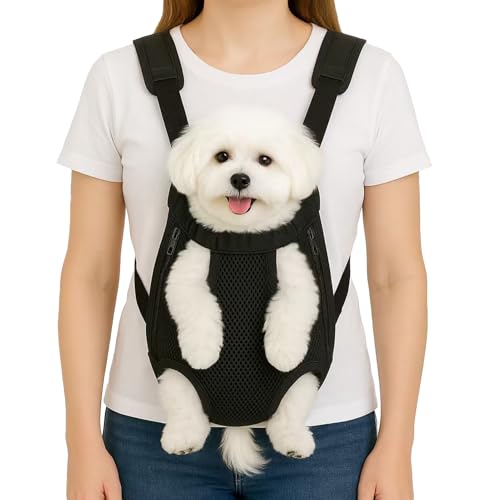
The Mosago dog carrier backpack is designed for calm rides and close companionship. It emphasizes comfort with extra-wide padded shoulder straps and a thickened bottom cushion, helping distribute weight for short walks and longer adventures. This model provides a secure, three-layer safety system that includes side openings, a fastening strip, and an inner buckle that anchors to your pet’s collar. A lift-to-release feature reduces risk of accidental openings, keeping your small dog secure during outings. Before purchasing, measure your pet’s back length and chest girth to choose the right size. Padding may flatten in vacuum packaging, so lightly pat to restore shape.
Usage notes suggest this carrier works best for small, calm pets that prefer close proximity to their owner. It supports wearing as a chest carrier, offering hands-free mobility during hiking, camping, or casual walks. The design aims to balance stability and comfort, with a soft interior and accessible entry points. It’s suited for pets that enjoy being close to your torso and require a snug, secure experience. If your dog is restless or anxious, this may be less ideal, so consider acclimation time and shorter first trips.
Pawaboo Pet Carrier Backpack – Legs-Out Front Carrier
The Pawaboo carrier emphasizes a legs-out and tail-out design, which can enhance safety and comfort for small dogs or cats. The carrier uses multiple openings with hook-and-loop fasteners, zippers, and elastic panels to adapt fit as needed. Quick-release buckles at strap ends allow one-handed setup, which is convenient during travel. Pawaboo emphasizes size accuracy via the back length and chest girth measurements, advising customers to choose the larger size if measurements sit in different categories. This approach helps secure the pet while maintaining freedom of movement in the chest area.
Use cases include city walking, light hiking, and airport transfers where visibility and safety are priorities. The design aims to minimize overheating while providing easy access to your pet for quick checks or breaks. For anxious pets, gradual acclimation and shorter trial runs can help improve overall comfort. It’s recommended to verify the size chart before purchasing to ensure a proper fit for your specific breed.
ZHLKHIOP Pet Backpack Carrier – Large Size Front Carrier

The ZHLKHIOP option provides a sturdy, front-facing design with breathable, soft materials. It features adjustable shoulder and chest straps to balance weight distribution and reduce chest and back strain during longer walks or travel. The carrier emphasizes durability through reinforced stitching and reliable hardware. It’s positioned as a versatile solution suitable for small-to-medium dogs, blending comfort with a secure enclosure. Pros include straightforward adjustments and a simple entry system, while cons might involve ensuring that the chest area remains comfortable for pets with broader chests.
When selecting this carrier, verify the back length and chest girth measurements to pick the correct size. The design is compatible with daily activities such as walking, hiking, and camping, making it a practical choice for outdoor enthusiasts who want to keep their pet close and secure while keeping hands free.
Inspack Dog Backpack Carrier – Pink (2.5–4 Lbs)
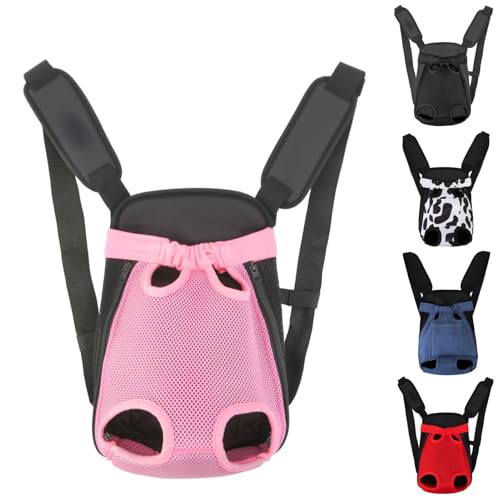
Inspack’s front-carrier design focuses on small pets, with a recommended weight range of 2.5 to 4 pounds. The product page notes four available sizes to match diverse pet measurements, and emphasizes precise sizing by measuring back length and chest girth first. It highlights acclimation guidance—introduce the backpack gradually at home and increase wear time to foster a calm acceptance of the carrier during outdoor activities. The design features soft ventilation to maintain temperature comfort and reduce stress on the pet during hikes or camping trips.
Choosing this carrier involves careful size selection to ensure your small pet has adequate space for movement yet remains snug and safe. This model can be a good fit for trips where weight and compact form factor are priorities, such as airline travel or day hikes. For first-time users, starting with short indoor wear sessions can help pets adjust to the sensation of carrying gear on their body.
Pawaboo Pet Carrier Backpack – Legs-Out For Small Pets

This Pawaboo option mirrors the earlier Pawaboo design, tailored for small dogs or cats with legs-out and tail-out configurations. The packaging emphasizes the size chart and back-length versus chest girth as the primary determiners for choosing the correct size. The design supports easy on-and-off with hook-and-loop closures and elastic openings, enabling quick adjustments during outdoor activities. It also notes that customers should confirm measurements before purchase to ensure the right fit, reducing the risk of discomfort during extended wear.
In practice, this carrier is well-suited for short hikes, travel days, and urban excursions where a secure, close fit matters. It is especially helpful for pet owners who want a hands-free option while maintaining proximity to their animal. The emphasis on safe entry points and adjustable openings helps accommodate minor size variations among breeds, making it a versatile choice for households with more than one small pet.
Buying Guide: Key Considerations For Choosing A Pet Carrier Chest Pack
When evaluating a pet carrier chest pack, consider fit, safety, and comfort as the top priorities. Here are practical tips to help you compare models:
- Size and fit: Measure back length and chest girth precisely. If measurements span different size categories, choose the larger size to ensure comfortable movement and proper ventilation.
- Weight capacity: Verify the pet’s weight range specified by the manufacturer. If your pet is near the upper limit, consider a carrier with a broader shoulder strap padding and bottom cushion for even weight distribution.
- Security features: Look for triple-safety or dual-safety systems, secure inner buckles, lift-to-release openings, and sturdy zippers or fasteners to prevent accidental escapes.
- Ventilation: Ensure breathable material and adequate airflow, especially for longer outings or warmer climates. Ventilation helps manage heat and comfort for small animals.
- Ease of use: Quick-release buckles, one-handed entry, and simple adjustments reduce setup time and make travel smoother.
- Comfort for the pet: A padded interior, properly sized leg openings (legs-out or tail-out options), and a design that doesn’t press on the pet’s chest are essential for anxious or sensitive animals.
- Durability and materials: Check stitching quality and hardware durability. Reinforced stitching and robust fabrics extend the carrier’s lifespan through frequent use.
- Cleaning and maintenance: Removable linings or easy-to-clean fabrics simplify post-trip cleanup, especially after muddy or wet outdoor activities.
- Intended activities: Consider whether you’ll primarily use the carrier for walks, hikes, camping, or air travel. Some models are optimized for short trips and calm pets, while others support longer excursions.
In assessing the listed options, balance your pet’s needs with practical considerations such as climate, travel frequency, and your own comfort carrying the load. For first-time users, start with short indoor wear sessions, gradually increase wearing time, and monitor your pet’s behavior for signs of discomfort or stress. Always adhere to the manufacturer’s size and weight guidance to ensure safety and optimal performance during outdoor adventures.