Best Pet Barriers for Dogs: Safe Indoor Fences and Car Barriers
Choosing the right barrier helps maintain a safe home environment and prevents distractions while driving. This guide highlights five reliable dog barriers that cover wireless indoor fences, freestanding gates, and vehicle dividers. Each option offers easy installation, adjustable containment areas, and pet-friendly corrections where applicable. Read on to compare features, setups, and use cases to determine which barrier best fits your living space and automotive needs.
Summary Of Selected Products
| Product | Brand | Type | Key Feature |
|---|---|---|---|
| FLYSPEAR Wireless Pet Barrier (Single Transmitter) | FLYSPEAR | Indoor wireless barrier | 6 adjustable range radii, 0-6 static levels, portable placement |
| Pet Gate 4-Panel Indoor Foldable Fence | PETMAKER | Freestanding wood gate | 72 inches long, no installation required, versatile doorway/stair use |
| FLYSPEAR Wireless Barrier With Two Transmitters | FLYSPEAR | Indoor wireless barrier | Two restricted areas, dual-room training flexibility |
| PetSafe Pawz Away Indoor Barrier | PetSafe | Battery-operated wireless barrier | Up to 12-foot radius, compatible with multiple Pawz Away setups |
| DYKESON Dog Car Barrier | DYKESON | Car barrier mesh divider | Four-sided elastic mesh, easy headrest mounting, car and SUV fit |
FLYSPEAR Wireless Pet Barrier (Single Transmitter)

The FLYSPEAR wireless barrier uses a simple indoor setup to keep dogs away from specified areas such as counters, garbage cans, and furniture. It includes a convenient hook for hanging or laying flat, allowing rapid relocation between rooms like the kitchen, living room, or stairs. The collar emits a beep as a warning, followed by a safe static correction. With 0 to 6 adjustable static levels, this barrier accommodates a range of dog sizes and temperaments while prioritizing safety. The barrier supports flexible range from 0.7 to 7 feet, letting users tailor containment to different spaces.
Pet Gate – 4-Panel Indoor Foldable Fence
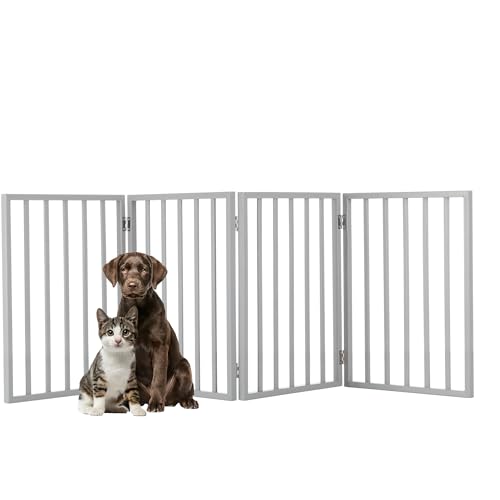
This freestanding wood gate provides a full 72 inches of barrier length without mounting or drilling. Its accordion design is both sturdy and visually compatible with most interiors. Ideal for doorways, hallways, stairs, or top and bottom of stairs, this gate helps confine small dogs or cats while preserving home aesthetics. The gray finish complements modern décor, and the gate remains portable enough to reposition as needs change, supporting flexible containment across multiple rooms.
FLYSPEAR Wireless Barrier With Two Transmitters

This package extends the single-transmitter concept with two transmitters, allowing two distinct restricted zones within the home. As with the standard FLYSPEAR barrier, it uses beeps plus up to six levels of static correction to train dogs away from restricted areas. The dual-transmitter setup adds versatility for multi-room layouts—perfect for households that want to protect both kitchen counters and furniture in different rooms without mounting hardware.
PetSafe Pawz Away Indoor Barrier

PetSafe Pawz Away provides a compact, battery-operated wireless barrier that creates an invisible containment zone up to 12 feet wide. It’s designed for indoor use and aims to train pets to avoid restricted areas with a gentle cue and progressive static correction. The system is expandable and compatible with multiple Pawz Away and YardMax products, which is advantageous for households with multiple rooms or pets. Installation emphasizes ease and minimal clutter, without the need for complex wiring or permanent fixtures.
DYKESON Dog Car Barrier

The DYKESON car barrier is designed to keep dogs or kids in the back seat and prevent car distractions. The four-sided elastic dual-mesh design provides a safe and reliable barrier that is easy to install using headrests, without tools or drilling. Its stretchable mesh aims to fit a wide range of cars and SUVs, maintaining visibility while separating passengers from the front. This barrier is suitable for travelers who want a quick, portable solution for in-vehicle containment and organization on the go.
Buying Guide: Key Purchase Considerations And Comparisons
- Indoor vs. Car Use: Choose whether you need a wireless indoor barrier, a freestanding gate, or a car-specific barrier. Indoor wireless units are ideal for quick room-to-room containment, while foldable gates suit doorways and stairs without installation. Vehicle barriers prioritize portability and compatibility with seating arrangements.
- Containment Range And Corrrection: For wireless options, check the adjustable range (e.g., 0.7–7 feet) and the static correction levels (0–6). Consider your dog’s size, temperament, and training history to set appropriate levels and ensure safe, humane responses.
- Installation And Portability: Freestanding gates offer tool-free setup and easy relocation. Wireless systems require placement considerations for signal range and power sources. For cars, ensure the barrier fits your vehicle model and headrest configuration for stable mounting.
- Expansion Capabilities: Some systems support multiple zones or additional transmitters and compatible accessories. If you have a multi-pet home or multiple rooms, look for expandable kits and cross-brand compatibility where available.
- Material And Aesthetic: Wood gates provide a classic look but may take more space, while mesh and plastic barriers emphasize lightweight, portable design. Consider how the barrier integrates with your home or vehicle interior.
- Training Methods: Most barriers pair with audible beeps and progressive static corrections. Always follow manufacturer guidelines for safe training, avoid prolonged exposure, and monitor your dog’s response to ensure it’s appropriate for your pet’s health and temperament.
- Maintenance And Longevity: Inspect materials for wear, ensure connectors and hooks remain secure, and replace batteries or transmitters as needed. Durable construction reduces the need for frequent replacements in busy households or cars.
- Room Layout And Traffic Flow: Assess doorways, stairwells, and common pathways to determine the best barrier placement. For cars, plan the setup around seat configurations and travel routines to maximize coverage without hindering comfort.