Best Over-the-Counter Worm Medicine for Dogs: Top Picks
For pet owners seeking reliable, non-prescription options, over-the-counter dog dewormers offer broad protection against common intestinal worms. This guide highlights five well-regarded products that are easy to administer and suitable for a range of dog sizes. All selections are commonly available in the United States and contain ingredients like pyrantel pamoate and praziquantel, which target tapeworms, roundworms, and hookworms. This article provides objective information to help you compare options and choose the best fit for your dog’s needs.
| Product | Brand | Key Benefit | Size Range |
|---|---|---|---|
| PetArmor 7 Way De-Wormer (Large Dogs) | PetArmor | Covers 7 worm species; chewable for easy dosing | 25 lb and up |
| PetArmor 7 Way De-Wormer (6 Flavored) | PetArmor | Wide flavor options; broad-spectrum protection | 12 weeks and older; up to 200 lb |
| WORM X PLUS 7 Way (Small Dogs) | WORM X PLUS | Over-the-counter, two active ingredients | 6–25 lb |
| WORM X PLUS 7 Way Liquid | WORM X PLUS | Liquid form for easy dosing flexibility | Any dog weight (typical use up to 120 lb) |
| Interceptor Plus | Interceptor | Heartworm prevention plus worm treatment | 8.1–25 lb |
PetArmor 7 Way De-Wormer for Large Dogs

PetArmor 7 Way De-Wormer for Large Dogs provides a broad-spectrum approach with chewable tablets that target seven worm species, including two tapeworms, two types of roundworms, and three varieties of hookworms. The product is formulated for puppies 12 weeks or older and dogs weighing 25.1 to 200 lbs. Its chewable format makes dosing straightforward, reducing the stress for both pet and owner. The safety profile is aligned with veterinary-standard dewormers while offering the convenience of over-the-counter access.
PetArmor 7 Way De-Wormer for Dogs (6 Flavors)

This version of PetArmor 7 Way De-Wormer expands flavor options to help with picky eaters while delivering the same vet-quality, broad-spectrum protection. It covers seven worm species in dogs aged 12 weeks and older and suited for large dogs up to 200 lbs. With chewable tablets, administration remains quick and convenient, making routine deworming simpler for households with multiple pets or irregular dosing schedules.
WORM X PLUS 7 Way De-Wormer for Small Dogs (6-25 lb)

This small-dog formula from WORM X PLUS treats two tapeworms, two types of roundworms, and three types of hookworms. It uses pyrantel pamoate and praziquantel as active ingredients, making it a widely recognized OTC option. The chewable tablets are designed to be palatable, easing administration for dogs in the 6 to 25 lb range. It’s suitable for routine deworming and is frequently used as part of a broader parasite control plan.
WORM X PLUS 7 Way Chewables (6-25 lb)

Another variation of the WORM X PLUS line offers chewables for small dogs. It retains the same broad-spectrum coverage against two tapeworms, two roundworms, and three hookworms, with the same two active ingredients. The six-count format is convenient for households with multiple small dogs or for owners who prefer a longer supply. As with other OTC options, consult a veterinarian if you’re unsure about dosing for your pet’s weight or health status.
Interceptor Plus
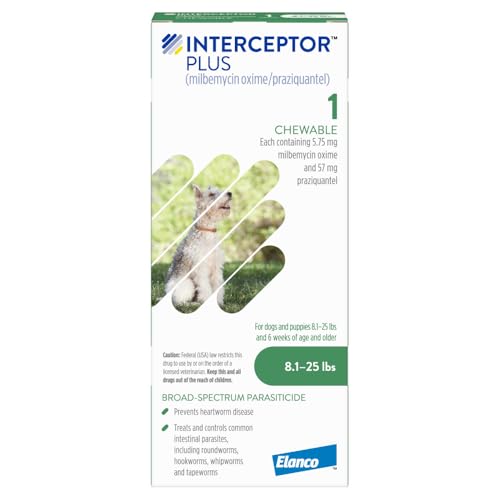
Interceptor Plus combines heartworm prevention with protection against other worms, including hookworms, roundworms, whipworms, and tapeworms. This monthly chew is flavored and designed to simplify administration, particularly for dogs requiring concurrent heartworm and intestinal parasite control. It is suitable for dogs in the 8.1 to 25 lb range and provides a convenient one-month supply. Its dual-action approach can be advantageous for owners seeking an all-in-one treatment strategy.
Buying Guide: Key Purchase Considerations
When choosing an over-the-counter dewormer, consider the dog’s weight, age, and health status to select the appropriate formulation (chewable, liquid, or pill). Ingredient coverage matters: pyrantel pamoate targets roundworms and hookworms, while praziquantel helps control tapeworms. For puppies or larger breeds, ensure the product lists safe weight ranges and dosing guidance. Flavor options can improve compliance for picky eaters, particularly with chewables. If multiple pets are in the household or if a dog has concurrent flea or heartworm prevention needs, look for combination products that align with your parasite control plan. Always follow package directions and consult a veterinarian if you notice adverse reactions or unexpected symptoms.
OTC dewormers vary in potency and applicability. Some products emphasize small-dog formulations, others target large breeds, and a few provide heartworm prevention alongside intestinal parasites. For guardians seeking a broader, all-in-one approach, products like Interceptor Plus may simplify scheduling by combining heartworm prevention with deworming. In households with multiple dogs of varying sizes, you may prioritize flexible dosing formats, such as liquids or customizable chew counts. Regardless of product type, consistent dosing and veterinary guidance remain essential for maintaining a healthy, worm-free canine life.
Safety considerations include promptly removing children from the dosing area and ensuring the dog consumes the full recommended amount. If your dog has a history of medication sensitivity, is pregnant, or has a chronic health condition, discuss dewormer choices with a veterinarian before starting an OTC regimen. Regular stool checks and parasite monitoring help verify treatment effectiveness and guide follow-up care. This guide aims to provide practical, objective information to support informed decisions for over-the-counter worm management in dogs.
Additional Notes on Administration and Monitoring
Administration ease varies by format: chewables are convenient for dogs that accept treats, liquids allow precise dose adjustments, and pills suit routine dosing if your dog accepts them. Monitor for vomiting, diarrhea, or signs of an allergic reaction after administration, especially in dogs with sensitive stomachs. If worms persist beyond the recommended treatment window or if symptoms worsen, seek veterinary evaluation promptly to adjust the care plan or explore prescription options.