Best Organic Cat Foods and Natural Options for Your Feline
Cinding down to organic and natural choices for cats can be challenging, but selecting high-quality, protein-forward options supports healthy digestion, coat shine, and overall well-being. This guide highlights five cat foods that align with organic or natural principles, along with essential considerations for choosing the right fit for your pet.
| Product | Brand | Form | Key Qualities |
|---|---|---|---|
| Tender & True Organic Chicken & Liver Recipe Cat Food | Tender & True | Dry | USDA Organic, cage-free chicken, grain-free |
| Vital Essentials Minnows Cat Treats | Vital Essentials | Freeze-Dried Treat | Single-ingredient, high-protein minnow, grain/gluten-free |
| Instinct Original Grain Free Variety Pack Wet Cat Food | Instinct | Canned | 95% real meat, grain-free, no fillers |
| Open Farm Grain Free Dry Cat Food, Salmon Recipe | Open Farm | Dry | Grain-free, non-GMO fruits/vegetables, prebiotic fibers |
| Blue Buffalo Wilderness High-Protein Dry Cat Food | Blue Buffalo | Dry | Real chicken first, immune-supporting bits |
Tender & True Organic Chicken & Liver Recipe Cat Food
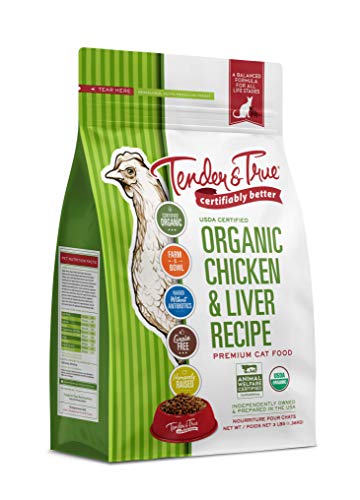
USDA Organic Certified chicken serves as the primary ingredient, with a focus on cage-free poultry and a grain-free recipe. This option emphasizes organic certification and clean sourcing as its core selling points, suitable for cats requiring a high-protein, meat-forward diet while avoiding fillers.
Vital Essentials Minnows Cat Treats
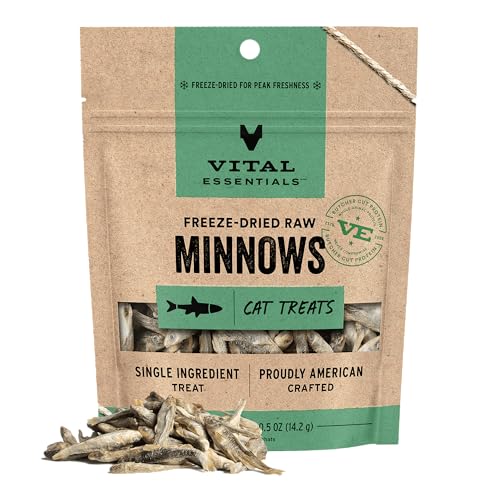
These freeze-dried raw minnow treats are single-ingredient and designed to deliver a high-protein, grain-free option that complements a cat’s natural dietary needs. While not a full meal, they align with natural, minimally processed protein sources and humanely sourced ingredients.
Instinct Original Grain Free Variety Pack Wet Cat Food

This variety pack emphasizes high protein from real meats with no fillers, presenting a raw-inspired wet option. It contains 95% real meat and organs, offering a nutrient-dense profile suitable for cats that tolerate grain-free, high-protein meals.
Open Farm Grain Free Dry Cat Food, Salmon Recipe

Open Farm combines grain-free nutrition with wild-caught salmon and functional ingredients like non-GMO pumpkin and dandelion greens. This option targets digestive health and nutrient balance through a blend of high-quality animal protein and beneficial botanicals.
Blue Buffalo Wilderness High-Protein Dry Cat Food

Blue Buffalo Wilderness emphasizes real chicken as the first ingredient, offering a high-protein meal with immune-supporting LifeSource Bits. It is a practical option for cats that benefit from a meat-forward, grain-free profile, though it carries no explicit organic certification.
Buying Guide: Choosing Organic Or Natural Cat Foods
- Organic certification versus natural branding: Look for USDA Organic labels on dry foods and verify sourcing practices. If a product claims “organic” but misses credentials, prioritize brands with transparent certifications.
- Protein quality and sources: Prioritize real meat or fish as the primary ingredient. Compare whether the protein comes from cage-free, free-range, or responsibly sourced choices where possible.
- Grain-free versus grains: Some cats tolerate grains well; others benefit from grain-free formulas. Consider your cat’s digestion, weight, and any dietary restrictions when deciding.
- Life stage and health considerations: Kittens, adults, seniors, and cats with hairballs or digestive sensitivities may need different nutrient profiles. Check protein levels, fiber content, and added probiotics.
- Wet versus dry balance: Wet foods can support hydration, while dry foods offer convenience and dental benefits. A mixed feeding plan may suit many cats, balancing moisture intake with long-term dental health.
- Ingredient transparency: Favor brands that clearly list sourcing, processing methods, and any preservatives or fillers. Avoid foods with ambiguous ingredient lists or artificial additives.
- Allergen considerations: If your cat has known allergies, review protein sources carefully (e.g., poultry, fish) and avoid common irritants. Gradual transitions help minimize gastrointestinal upset.
- Environmental and ethical factors: For many owners, sustainable sourcing and humane treatment are important. Compare brands’ farming practices, environmental impact, and certifications beyond organic when available.