Best Natural Loose Coconut Fiber Substrate for Reptiles
Natural loose coconut fiber substrates provide humidity control, burrowing opportunities, and a sustainable bedding option for terrariums. This guide reviews top picks that are loose, organic, and easy to use, helping keep habitats clean and comfortable for reptiles, amphibians, and invertebrates. Below is a quick overview of five strong options with varied textures and benefits.
| Product | Brand | Key Benefit |
|---|---|---|
| Zoo Med Eco Earth Loose Coconut Fiber Substrate 24 qts. | Zoo Med | Excellent humidity regulation; versatile for many species |
| Zilla Coconut Husk Brick | Zilla | Natural humidity control; promotes burrowing |
| Riare 2 Pack Natural Coconut Fiber Substrate | Riare | Two bricks; odor absorption and compostable |
| Zoo Med Eco Earth All-Natural Loose Coconut Fiber | Zoo Med | Ideal for naturalistic setups; supports drainage and humidity |
| Exo Terra Coco Husk, 8 QT | Exo Terra | 100% natural; humidity-holding substrate |
Zoo Med Eco Earth Loose Coconut Fiber, 24 Qt Substrate
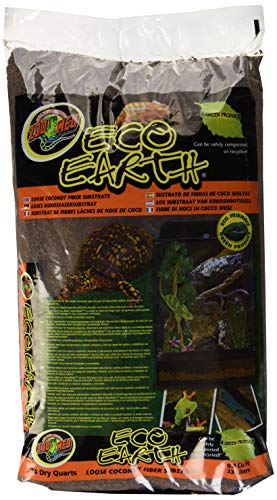
Zoo Med Eco Earth Loose Coconut Fiber Substrate is made from renewable coconut husk fiber, offering a natural and eco-friendly bedding option for reptiles, amphibians, and invertebrates. The substrate helps maintain proper humidity within terrariums and provides a soft, burrow-friendly surface that encourages natural digging behaviors. This loose form enhances airflow and drainage when used as part of a naturalistic setup, and it can be dampened to suit tropical species or kept drier for other habitat types.
Zilla Coconut Husk Brick

The Zilla Coconut Husk Brick is composed of 100% organic coconut fiber designed to regulate humidity in tropical terrariums. It promotes burrowing with a soft texture and provides a sustainable substrate that works well for incubation and a range of tropical habitats. The brick form allows for easy expansion and customization to the specific humidity needs of your enclosure.
Riare 2 Pack Natural Coconut Fiber Substrate

Riare offers two compressed coconut fiber bricks designed to retain humidity and promote natural digging. Each brick expands to create a loose, breathable substrate that helps maintain a cleaner living space for reptiles, amphibians, and invertebrates. It also degrades naturally, offering the option to use spent substrate as compost. This product emphasizes odor control and sustainability, with a focus on healthier habitat environments.
Zoo Med Eco Earth All-Natural Loose Coconut Fiber

Zoo Med Eco Earth All-Natural Loose Coconut Fiber is a tropical substrate that is safely composted and designed for naturalistic terrariums. Dampening the substrate supports humidity for tropical species, while the loose texture helps with odor and waste management. It can also be layered with hydro balls to improve drainage and plant growth in naturalistic setups, making it versatile for multiple terrarium configurations.
Exo Terra Coco Husk, 8 QT

Exo Terra Coco Husk is a 100% natural coconut fiber substrate designed for tropical terrariums. It holds moisture well, increases humidity, and stimulates natural digging and burrowing behaviors in reptiles and amphibians. The substrate promotes a naturalistic appearance while providing a comfortable and functional habitat for humidity-loving species.
Buying Guide: Key Purchase Considerations
- Humidity needs: Choose a substrate that matches the humidity requirements of your species. Loose coconut fiber generally holds moisture well and helps sustain stable humidity in tropical enclosures.
- Burrowing and enrichment: Substrates with a soft texture support digging and natural behaviors. Some products expand from bricks, giving you control over depth and aeration.
- Environmental impact: Look for renewable, compostable materials such as coconut fiber. A sustainable substrate reduces waste and supports eco-friendly terrarium care.
- Ease of use: Pre-moistened or loose substrates are quick to set up. Consider whether you need ready-to-use loose mix or bricks that you hydrate to the desired depth.
- Maintenance and odor control: Substrates that absorb liquids and odors help maintain a cleaner habitat. Odor management is especially important in densely populated terrariums.
- Species compatibility: Different reptiles and amphibians have unique substrate preferences. Research your species’ needs for burrowing, humidity, and substrate safety (non-toxicity, biodegradability).
- Disposal options: Some substrates are compostable or can be used as garden mulch. Biodegradable options simplify cleanup and recycling.
- Stacking and drainage: For naturalistic setups, consider substrates that can be layered with drainage media to balance humidity and plant growth.