Best Microchip Kits for Dogs: A Comprehensive Guide to Pet ID Solutions
Protecting a dog with a reliable ID system is a cornerstone of responsible pet ownership. This guide reviews popular microchip kits designed for dogs, highlighting size options, registration support, and scanning compatibility. Whether you’re adding microchips to new pets or updating a routine ID plan, the following selections cover small, large, and universal options suitable for many breeds and life stages. The recommendations emphasize life-long registration access, nationwide scanning compatibility, and clear installation guidance to help you choose confidently.
The table below summarizes five curated microchip kits that are frequently favored for dog ID programs. Each entry is drawn from widely available consumer kits that emphasize standard ISO/FDX-B formats, easy registration, and long-term data accessibility. This snapshot can help you compare core features at a glance as you read the deeper product sections.
| Product | Brand | Chip Size | Registration | Format |
|---|---|---|---|---|
| Fi Nano Microchip for Dogs – 1-Pack | Fi | Small gauge (1.4mm) | Free lifetime registration | ISO 11784/11785, AAHA searchable |
| Fi Nano Microchip for Dogs – 20-Pack | Fi | Small gauge (1.4mm) | Free lifetime registration | ISO 11784/11785, AAHA searchable |
| Universal Pet Microchip (WEEGEEKS) | WEEGEEKS | 134.2 kHz FDX-B | Online registration advised | FDX-B ISO 11784/11785 |
| Smoostart 20 Pack 2.12x12mm | Smoostart | 2.12x12mm | Registration details provided | FDX-B ISO 11784/11785 |
| Manruta 8 Pack Pet ID Microchip | Manruta | 1.4x8mm or 2.12x12mm options | Online registration with Animal ID | FDX-B ISO 11784/11785 |
Fi Nano Microchip for Dogs – 1-Pack

The Fi Nano 1-Pack emphasizes lifelong registration at nano.tryfi.com and universal scan-compatibility. The kit uses a small-gauge needle and sterile, individually wrapped syringes, making implantation straightforward for routine veterinary or trained personnel. It is designed for easy cross-checking by AAHA-approved systems, helping ensure that your pet’s record stays accessible across networks. This option is ideal for first-time chip adopters who want a single, reliable entry into the pet ID ecosystem.
Features to note include: free lifetime registration updates, 24/7 AAHA searchable compatibility, and a compact microchip that minimizes discomfort during insertion. While some buyers may value bulk options for multiple pets, the 1-pack remains a practical starter for small dogs, puppies, or households adding a chip for the first time. Always align chip size with your pet’s anatomy and your veterinarian’s recommendations for implantation depth and placement.
Fi Nano Microchip for Dogs – 20-Pack
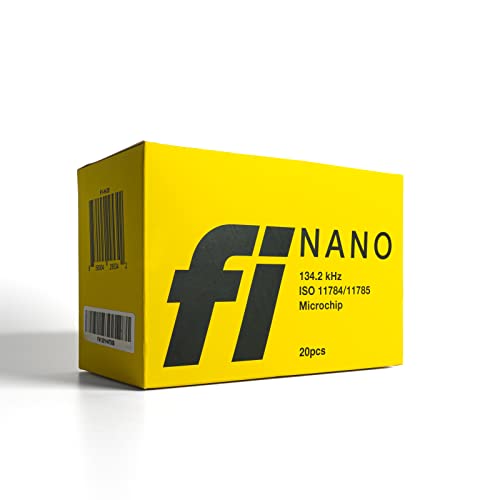
The 20-pack expands the same Fi Nano design for households with multiple pets or for clinics needing multiple new implants quickly. Like the 1-pack, it offers lifelong registration and universal scanning capabilities, with ISO-certified microchips designed to work across diverse scanners. The bulk package reduces per-chip cost and simplifies stocking for frequent spay/neuter clinics or rescue organizations. The consistent needle size and packaging support sterile procedures and straightforward administration by trained staff.
Key considerations for this option include the benefits of bulk procurement versus the need for individualized records. For households with many dogs or for shelters, the 20-pack can streamline procedures while maintaining a uniform data standard. Ensure you keep registration data current and aligned with your chosen database for fast reunions in case a dog goes missing.
Universal Pet Microchip (WEEGEEKS) – 20 PCS

This Universal Pet Microchip kit provides a 134.2 kHz FDX-B microchip standard, aligning with global tracking practices. The kit is designed for straightforward installation and is compatible with common scanners used by clinics, shelters, and veterinary networks. The packaging highlights ease of installation—placing the chip under the skin at the back of the neck or behind the ears—making it a practical alternative for professionals who prefer a glass tag system with a compact profile.
Registration recommendations emphasize linking to a widely accessible database to enhance global reunification chances. The kit’s 134.2 kHz format ensures broad compatibility, which can be advantageous for dogs that travel across regions or are treated by multiple veterinarians. Prospective buyers should verify data-entry steps and ensure they have a reliable ongoing registration channel for life-long access.
Smoostart 20 Pack 2.12x12mm

The Smoostart kit uses a 2.12x12mm microchip, a size that suits larger dogs or animals requiring a robust implant in a broader neck region. It adheres to the ISO11784/11785 standard with FDX-B format and provides a 15-bit ICAR certification profile. The kit includes a 20-pack, which facilitates efficient management for clinics, rescue groups, or households with multiple canines. The product features safety design elements to minimize dislodgement and ensure the chip remains secured post-implantation.
From a practical standpoint, customers should consider the size compatibility for each dog’s breed and body condition. The larger 2.12x12mm chip excels in stability but requires assessment by a veterinary professional to ensure proper placement and healing. Data handling remains critical, so pairing the implant with a reliable registration system will maximize the chance of a successful reunion if the pet is lost.
Manruta 8 Pack Pet ID Microchip

The Manruta 8 Pack includes 1.4x8mm and 2.12x12mm options, giving flexibility to match dog size and skin thickness. The product emphasizes careful selection of chip size for pets and suggests online registration alongside a robust database for worldwide coverage. It also notes the need for professional administration to ensure proper placement and data linkage, a factor that aligns with standard veterinary practices for microchip implantation. Users should confirm chip size appropriateness for each dog and maintain consistent registration across databases to maximize recovery potential if a pet is lost.
Manruta’s kit packaging stresses the importance of quality microchips and a supported registration system. Accessibility to a 24/7 support channel helps address questions about implantation and data management, which can be essential for first-time adopters or owners managing a multi-pet household. The combination of a choice of chip sizes and registration guidance supports a broad spectrum of dogs, from puppies to large breeds.
Buying Guide: Key Purchase Considerations And Comparisons
Choosing the right dog microchip kit involves evaluating several factors beyond the chip itself. Consider these perspectives to make a well-informed choice.
- Chip size and anatomy fit: Small dogs and puppies generally benefit from 1.4mm chips, while larger dogs may accommodate 2.12mm chips. Consult with a veterinarian about implantation depth and approved placement sites.
- Registration longevity and accessibility: Lifelong, easy-to-update registration is valuable. Verify that the chosen kit supports free lifetime updates and offers a straightforward online portal or mobile app for data management.
- Scanner compatibility: ISO 11784/11785 and FDX-B formats offer broad compatibility. Ensure your primary vet clinic and local shelters can scan and access the registry data efficiently.
- Data security and privacy: Use reputable registries with clear data-use policies. Confirm how long records stay in the database and how data is shared across networks.
- Cost structure: Bulk kits may reduce per-chip costs but consider storage, replacement needs, and whether you require multiple sizes or a single-solution approach for your dogs.
- Installation support: Sterile packaging, preloaded syringes, and clear installation instructions minimize procedural errors. Seek kits that provide professional guidance or quick-start resources for clinics and homes.
- Long-term maintenance: Regularly verify registration data, including owner contact details and overseas or regional database availability, to ensure a successful recovery scenario.
- Quality and safety standards: Look for chips that meet AAHA scanning standards, ISO certifications, and documented safety features such as anti-drop mechanisms and bioglass construction where applicable.
In sum, the best microchip kit for a dog depends on your pet’s size, your clinic’s workflow, and your preferred data registry. For households with multiple dogs, bulk options paired with a universal scanning standard can streamline operations. For individual pets or first-time adopters, a single-pack that includes clear lifetime registration and dependable support offers a low-friction path to establishing a robust ID record.