Best Indoor Cages for a Lionhead Rabbit: Safe, Spacious, and Easy to Clean
Lionhead rabbits thrive in enclosures that offer generous space, secure barriers, and simple maintenance. This article highlights five top indoor cages that fit well for a curious, fluffy lionhead, blending comfort, safety, and practicality. Each option below includes essential features such as leak-proof trays, easy access, and chew-resistant components, helping you choose a cage that suits your rabbit’s activity level and your living space.
Summary table of selected products:
- STILLCOVE Small Rabbit Cage Indoor
- Tresbro Guinea Pig Cage with PVC Bottom Liner
- 2 Story Rabbit Hutch Indoor/Outdoor by mayugardening
- MidWest Homes for Pets Small Wabbitat Rabbit Cage
- Amamell Rabbit Hutch Indoor/Outdoor with Wheels
STILLCOVE Small Rabbit Cage Indoor For Small Pets
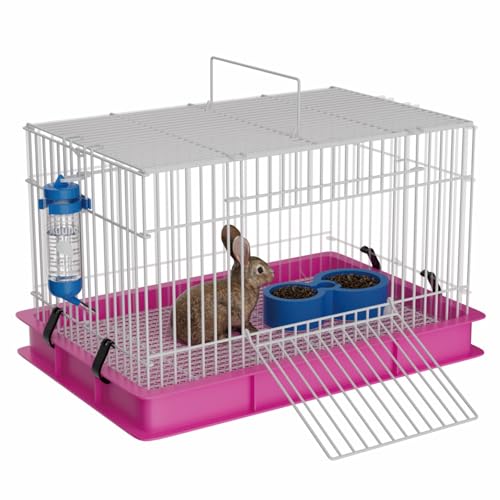
The STILLCOVE cage provides a compact yet complete home for small rabbits, guinea pigs, and other small animals. It includes a water bottle, a food dish, and a foot pad, ensuring essential care items are readily available. The design emphasizes a deep, splash-proof base to minimize urine and litter spray, helping to keep indoor floors clean. With dimensions around 24.02″ x 16.14″ x 14.17″, this unit fits well in kitchens, living rooms, or bedrooms where space is at a premium.
Key features include complete accessories, a splash-proof base, and a compact footprint suitable for a lionhead rabbit’s early stages of litter training or smaller living spaces. It’s best for supervised use or as a starter enclosure, transitioning later to a larger setup as your rabbit grows more active.
Tresbro Playpen Cage With Waterproof Liner

Tresbro offers a triple-fix C&C-style playpen for small animals, including rabbits. This cage emphasizes durability with a waterproof PVC liner and a coated steel panel fence. The 48″ L x 24″ W x 16″ H footprint accommodates a lionhead rabbit comfortably, while the panels’ 0.7-inch wire spacing reduces risk of escape. A one-motion hook design simplifies assembly and disassembly, making cleaning and reconfiguration straightforward for daily care routines.
Highlights include waterproof lining, robust fencing, and a tool-free setup process. The design supports easy access for feeding and hydration, and the liner helps contain debris and waste. This option works well for indoor playpens or as a transition space between a larger enclosure and daily exercise sessions.
mayugardening 2 Story Hutch With Wheels
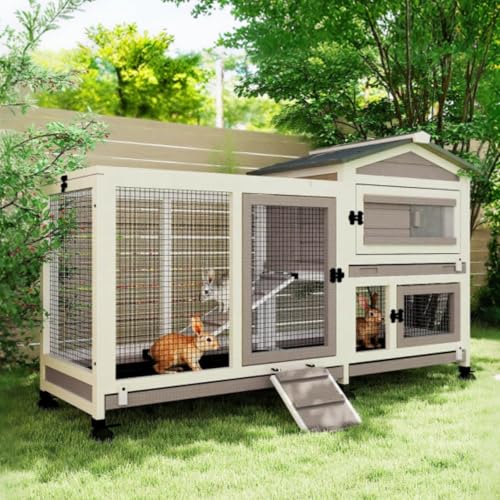
This two-story wooden hutch is designed for both indoor and outdoor use, featuring six lockable wheels for easy mobility. It includes three removable leak-proof pull-out trays and a chew-resistant ramp, making maintenance simple and durable for a lionhead rabbit who enjoys exploring multiple levels. The waterproof roof helps protect against moisture, while the sturdy construction provides a secure, elevated living area that encourages natural behaviors such as hopping and exploring.
Key advantages include mobility, multi-level space, and easy waste management. The design is suitable for indoor rooms with ample floor space or covered outdoor areas, enabling flexible supervision and daily enrichment for your lionhead rabbit.
MidWest Homes for Pets Small Wabbitat Rabbit Cage

The MidWest Wabbitat provides a spacious habitat with grid mesh flooring and a removable tray for quick cleanup. Its front and top doors enhance access for daily care, while a rust-resistant finish adds longevity in busy indoor environments. The cage’s footprint of about 25″ x 19″ x 20″ offers ample room for a lionhead rabbit to move, relax, and play, with a focus on user-friendly setup and maintenance.
There is a balance between space, ease of cleaning, and reliable access. The design supports routine grooming, feeding, and litter management while keeping the rabbit comfortable in a contained indoor space.
Buying Guide: Key Considerations For Lionhead Rabbits
- Size and space: Lionhead rabbits need enough room to hop and stretch. Look for cages that offer at least a comfortable 24″ x 18″ footprint with multi-level options if possible, and ensure there is a secured, comfortable resting area.
- Flooring: Prefer solid, easy-to-clean bases or trays. Wire floors can cause sore hocks; if present, ensure a thick mat or ramp with grip to protect paws.
- Accessibility: Large doors or multiple access points help with daily handling, feeding, and litter management. Removable trays simplify cleaning and maintenance.
- Durability: For chewers and enthusiastic jumpers, select cages with chew-resistant ramps and corrosion-resistant finishes. Sturdy frames reduce tipping and movement during play sessions.
- Maintenance: Look for waterproof liners or leak-proof trays to minimize spills. A design that allows quick removal and washing saves time and keeps the habitat sanitary.
- Mobility and placement: If you need to move the cage between rooms, prioritize models with wheels or ergonomic handles. Consider indoor climate and sunlight exposure to protect the rabbit from temperature fluctuations.
- Safety features: Ensure barrier spacing does not trap paws or toes, and confirm there are no exposed wires or sharp edges. Locking doors prevent accidental escapes while supervised.
- Cleaning routine: Plan a regular cleaning schedule, especially for litter management and odor control. Trays with smooth surfaces clean more efficiently than textured ones.
- Budget and setup: If you’re new to rabbit care, a modular setup with easy expansion can be beneficial. Assess whether you prefer an all-in-one unit or a configurable pen system that can grow with your rabbit.
Choosing the right indoor cage for a lionhead rabbit involves balancing space, safety, and ease of maintenance. The five options reviewed here emphasize sturdy construction, spill control, and practical access for daily care. When evaluating, consider how your rabbit uses the space, your cleaning routine, and how much you value portability or modular expansion in your home.