Best Isopods for Terrariums and Bioactive Setups
Isopods serve as essential cleanup crews in terrariums, vivariums, and bioactive enclosures. They help break down waste, aerate soil, and support a balanced micro-ecosystem. This guide highlights five carefully chosen products that support thriving isopod habitats, from live isopods and nutrient-rich substrates to leaf litter and natural decor. Each selection is evaluated for feeding, habitat enrichment, and substrate health to help you build a resilient, low-maintenance terrarium.
| Product | Brand | Best For |
|---|---|---|
| Combo Pack 20+ Live Powder Blue Isopod and Springtail Combo | Bugs and More Store | Bioactive cleanup, waste breakdown, soil aeration |
| 10 Count Zebra Armadillidium Isopods | TC INSECTS | Eye-catching isopod species, beginner-friendly |
| MAQIHAN Dry Oak Leaf Litter | MAQIHAN | Natural substrate, microfauna food source |
| EZ Botanicals Cork Bark Bits | EZ Botanicals | Terrarium decor and habitat structure |
| SCOTTY’S BUGS Mulched Leaf Litter | SCOTTY’S BUGS | Leaf litter substrate, burrowing and hiding areas |
Powder Blue Isopod & Springtail Combo

The Powder Blue Isopod and Springtail combo provides a ready-made bioactive crew for terrariums and vivariums. Powder Blue isopods excel at breaking down waste and turning detritus into nutrients, while springtails help with minor mold control and microfauna creation. This pairing supports a balanced micro-ecosystem, promotes soil aeration, and reduces maintenance by sustaining microbial activity. It’s suitable for terrariums and vivariums with plant life and substrate that benefits from regular turnover of organic material.
Zebra Armadillidium Isopods

Zebra isopods (Armadillidium) offer a striking black-and-white appearance and reliable hardiness, making them a popular choice for beginners and experienced terrarium keepers alike. These isopods contribute to detritus breakdown, soil conditioning, and microbe-rich substrate. Their active nature adds ongoing microfauna activity to the enclosure, supporting a visually dynamic cleanup crew that thrives in humid to moderately moist habitats. Proper moisture and hiding spots ensure healthy, steady populations.
MAQIHAN Dry Oak Leaf Litter
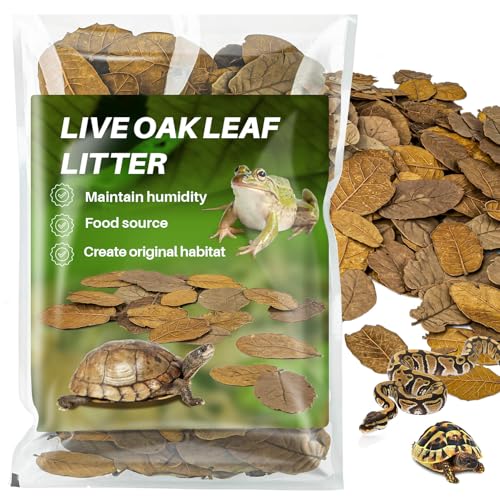
Dry oak leaf litter provides a natural substrate that supports humidity balance, burrowing behavior, and microfauna food sources. These leaves create microhabitats for isopods, including micro-ecosystem pockets that promote healthy gut microbiota and nutrient cycling. Oak leaf litter also helps simulate a forest floor environment, which is beneficial for various isopod species and other small invertebrates. The material is untreated and suitable for use as a foundational substrate in many terrarium setups.
EZ Botanicals Cork Bark Bits

Cork bark bits offer natural decor and structural complexity for terrariums. They provide climbing surfaces, hiding spots, and microhabitat variation that supports isopod behavior and microfauna activity. The bark bits are pest-free and hand-picked, making them suitable for creating visually appealing landscapes while contributing to humidity regulation and substrate structure. They pair well with leaf litter and other natural materials to create a cohesive, nature-inspired enclosure.
Mulched Leaf Litter For Reptiles And Isopods

SCOTTY’S BUGS Mulched Leaf Litter delivers a sterilized, natural substrate derived from a mix of elm, maple, and oak leaves. Mulched litter optimizes burrowing opportunities and provides a natural feeding substrate for isopods and other invertebrates. This product serves as both a functional base substrate and a visual forest-floor component, enhancing humidity management and ecological balance within the enclosure.
Buying Guide: Key Purchase Considerations For Isopod Habitats
- Purpose and compatibility: Choose substrates and decor that support isopod feeding, burrowing, and humidity needs specific to your species. Live isopods require a balanced mix of detritus and microfauna food sources, while decor should not impede airflow or moisture control.
- Moisture management: Many isopods thrive in humid environments. Substrates like oak leaf litter and mulched leaf litter help maintain humidity, while cork bark and seed pod decor add texture without excessive moisture retention.
- Safety and cleanliness: Opt for pest-free, natural materials. Ensure leaves are untreated and free of harmful chemicals. Sterilized leaf litter can reduce unwanted mold while supporting safe microbial communities.
- Microfauna balance: Substrates that support isopod feeding and microfauna activity contribute to nutrient cycling. Substrates like bioactive mixes and leaf litter provide a food source for micro-organisms that isopods consume.
- Aesthetic integration: Decor should resemble a natural habitat without compromising functionality. Cork bark, seed pods, and leaf litter create a convincing forest-floor look while providing hiding places and climbing opportunities.
- Maintenance level: Some products are ready-to-use cleanup crews; others are substrate components. Plan for regular checks of humidity, enclosure cleanliness, and isopod population dynamics to maintain balance.
- Species considerations: Armadillidium species may prefer ground cover and detritus-rich substrates, while Porcellionides and other common isopods might benefit from a varied microhabitat with moisture gradients and microhabitats.
When assembling a terrarium, combine a moisture-tolerant base with natural decor to promote burrowing, feeding, and stable population dynamics. The products listed here provide a mix of live isopods, substrate, and habitat components that collectively support a healthy, self-sustaining isopod ecosystem in American terrarium setups.