Best Insect Foods for Birds: Nutrient-Packed Mealworms and More
Bird lovers seeking natural, protein-rich options can turn to insect-based foods to attract and nourish a variety of species. This guide reviews five well-regarded products designed to deliver the nutrients birds need, from protein-packed mealworms to complete insect paté blends. Each option supports different feeding approaches, whether served alone, mixed with seeds, or used as a supplementary boost during migration or in colder months.
| Product | Brand | Key Benefit |
|---|---|---|
| Wild Delight Advanced Formula Bugs N Berries Wild Bird Food 4.5 lbs | Wild Delight | Premium mix with natural ingredients |
| Kaytee Wild Bird Food Mealworms For Bluebirds, Wrens, Robins, Chickadees, Woodpeckers, Cardinals & Chickens, 3.5 Ounce | Kaytee | High-protein mealworms attract multiple species |
| Orlux Insect Patee, Complete feed for insect eating birds, 800 g | Nobby | Complete pate form with wild-caught ingredients |
| WORMSKING 2LB Dried Mealworms for Poultry, Wild Birds | WORMSKING | Fresh-dried, additive-free mealworms |
| Kaytee Wild Bird Seed & Mealworm Seed Cake Food For Bluebirds, Chickadees, Woodpeckers and More | Kaytee | Easy-to-use mealworm-infused seed cake |
Wild Delight Advanced Formula Bugs N Berries

Product overview: This 4.5 lb bag blends premium ingredients with natural insect inclusions to deliver a high-protein, flavorful option for a broad range of backyard birds. The mix emphasizes variety seeds and natural components, aiming to support energy needs, especially during breeding season or cooler months.
Kaytee Mealworms For Bluebirds And More
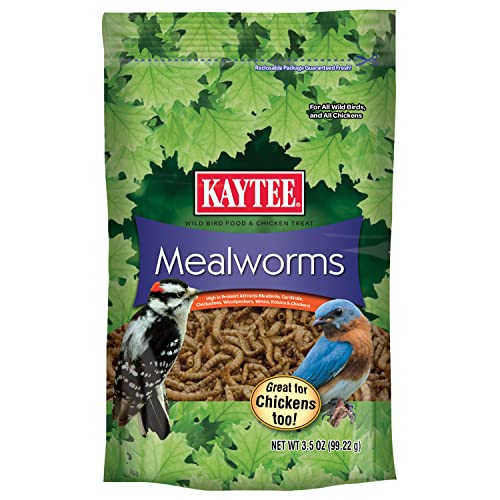
Product overview: Kaytee Mealworms provide an excellent, high-protein food source that attracts species like bluebirds, wrens, robins, chickadees, woodpeckers, and cardinals. They can be fed alone or mixed with favored seeds, offering a flexible feeding option for audiences with diverse bird types.
Orlux Insect Patee Complete Feed

Product overview: Orlux Insect Patee offers complete nutrition in a convenient pate form, featuring wild-caught ingredients to provide a natural and diverse diet for insect-eating birds across life stages. Easy to serve and store with a long shelf life, it supports consistent nutrition when fresh insect availability varies.
Wild Delight Bugs For Birds

Product overview: A 16 oz bag featuring a unique three-bug blend designed to supply protein-rich nutrition year-round. It emphasizes no fillers (no millet, milo, or corn) and is nutritionally fortified with added vitamins and electrolytes to support bird health and vitality.
WORMSKING Dried Mealworms For Birds

Product overview: This 2 lb pack features freshly dried mealworms ideal for poultry and wild birds, including bluebirds. The product highlights non-GMO and additive-free ingredients, with a focus on preserving nutrients and promoting healthy immunity, particularly through winter feeding.
Kaytee All American Wild Bird Food Seed Blend

Product overview: This seed blend is designed to attract a broad spectrum of birds, including cardinals and blue jays, by offering a mix of seeds and grains that often complements insect-based diets. It provides broader appeal for mixed feeder setups and supports energy needs with black oil sunflower and other preferred ingredients.
Buying Guide: Key Considerations For Choosing Insect-Based Bird Food
- Bird species and dietary needs: Different birds have varying appetites for insects, from insect-eaters like chickadees and bluebirds to generalists preferring mixes with seeds and grains. Match the product to the species you most frequently attract.
- Protein content and ingredients: High-protein options (mealworms, insect patés) support growth, molt, and winter energy. Look for products that minimize fillers and emphasize real insect content.
- Form and ease of serving: Pates, seed cakes, and loose mealworms each require different feeder setups. Choose a format that aligns with your existing feeder hardware and maintenance routine.
- Freshness and shelf life: Dried mealworms and packaged blends should retain nutrients. Check storage requirements and date codes where possible to ensure longevity.
- Allergen and sanitation considerations: Insect-based foods can attract a wide range of wildlife. Regular cleaning of feeders reduces the risk of mold and contamination.
- Source diversity: Rotating among products with different insect types and ingredients can help meet a wider array of micronutrient needs across seasons.
- Cost and availability: Availability may vary by region and season. Consider balancing premium insect blends with more economical seed-insect combinations to sustain feeding routines.
- Environmental impact: Choosing brands that emphasize sustainable sourcing and minimal processing can align feeding practices with broader conservation goals.