Best Harnesses for Dogs With Degenerative Myelopathy: Supportive Lifting and Mobility Aids
Degenerative myelopathy (DM) in dogs often affects rear leg strength and balance, making daily activities like walking, standing, or climbing stairs challenging. The following dog lift harnesses are designed to provide rear leg support, reduce the risk of falls, and ease rehabilitation. They’re described here with practical considerations to help guardians choose the right option for their dog’s size, mobility needs, and care routine.
| Product | Brand | Key Benefit | URL |
|---|---|---|---|
| GingerLead Easy Lift Dog Support Sling | GingerLead | IVDD support and rehab-friendly; padded, machine washable | https://www.amazon.com/dp/B0FJ7QV8BL?tag=myprecbabies-20 |
| CNEO Dog Lift Harness | Cneo | Rear leg holes, breathable materials, easy urination/defecation without removal | https://www.amazon.com/dp/B0CB46VFBS?tag=myprecbabies-20 |
| SlowTon Dog Lift Harness | SlowTon | Large opening, adjustable fit, comfortable ya and durable | https://www.amazon.com/dp/B0F2FJ6B5G?tag=myprecbabies-20 |
| ROZKITCH Dog Lift Harness | ROZKITCH | Veterinarian-approved rear support, padded handle and breathable lining | https://www.amazon.com/dp/B0BVVSYZT3?tag=myprecbabies-20 |
| GingerLead Easy Lift (Additional Model) | GingerLead | Recovery support for arthritis and spine surgery; lightweight and durable | https://www.amazon.com/dp/B00GPYF8A2?tag=myprecbabies-20 |
Below are five hand-picked products tailored to DM-related mobility challenges. Each section includes a brief overview, practical use notes, and key features drawn from product listings to help you compare at a glance.
GingerLead Easy Lift Dog Support Sling
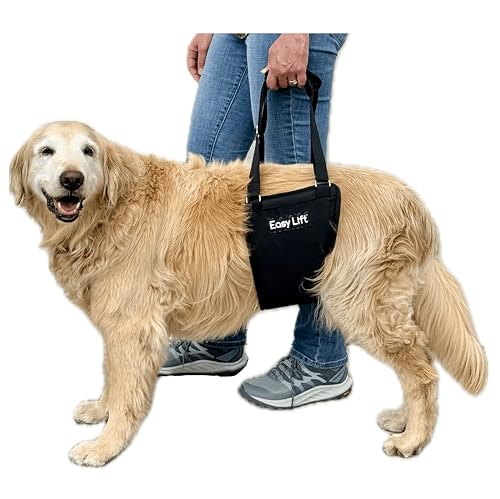
The GingerLead Easy Lift is designed to assist dogs with rear leg weakness, arthritis, or post-surgical recovery. It provides padded rear support and an integrated leash for controlled lifting. The design emphasizes comfort with soft neoprene padding and a form that reduces bunching during use. This model supports stairs, car entries, and transfers from lying to standing, aiming to stabilize gait while protecting the handler’s back. It is machine washable and widely used in veterinary settings, suggesting reliability for long-term DM management.
Key features include: padded, non-bunching construction; integrated leash; adjustable height; compatible for seniors and post-op rehabilitation; machine-washable; US-made quality reference. Consider sizing and dog comfort when choosing the right fit for a DM patient, particularly for those with pelvic or spinal sensitivities.
CNEO Dog Lift Harness

The CNEO lift harness is designed with a rear-leg-oriented support system and a comfortable, breathable build. A standout feature is the dedicated urination/defecation groove under the carrier, allowing relief without removal—helpful for long walks or accidents during rehab. The harness uses independent sponge handles and breathable materials to reduce hand strain. Velcro across the hips and adjustable straps help secure the hind legs and abdomen, minimizing slippage in cars, on stairs, or during lounging. It’s positioned as a user-friendly option for daily DM management and general mobility support.
Key features include: rear leg holes; easy relief without removal; breathable materials; secure wrap with adjustable straps; improved grip and comfort for handlers. For DM patients with sensitive spines or hip joints, ensure a snug yet comfortable fit to prevent rubbing or chafing during extended use.
SlowTon Dog Lift Harness

SlowTon’s dog lift harness focuses on a secure, adjustable fit with a reinforced belly opening and leg loops. The design emphasizes ease of use for caregivers who need to assist dogs up stairs, into vehicles, or during walks. A notable feature is its large urination/defecation opening, which accommodates both male and female dogs without removing the harness, simplifying hygiene during long outings or rehab sessions. Made from a blend of milk silk and neoprene, the harness aims to balance softness, breathability, and durability for ongoing daily use.
Key features include: upgraded hooks/loops for secure fit; large relief opening; breathable, dirt-resistant materials; lightweight and durable construction. For dogs with degenerative issues, consider how easy it is to don the harness and how well it supports hind limbs without causing discomfort during movement or after exercise.
ROZKITCH Dog Lift Harness

ROZKITCH positions its lift harness as a practical, veterinarian-approved option for dogs recovering from DM-related mobility issues or other hind-end conditions. The product highlights include a comfortable handle padding and breathable lining to reduce discomfort for the dog’s underside. It is designed to minimize bending for caregivers, enabling lifts that support the back legs without requiring full stooping. The overall construction focuses on durability and the ability to help older dogs climb stairs, enter vehicles, or perform daily transfers with less strain on the handler’s back.
Key features include: rear-leg support, padded handles, breathable lining, and a robust build for long-term use. For DM, ensure the harness supports stability without restricting natural range of motion or causing pressure points around the hips or abdomen, and pair with a supportive exercise plan prescribed by a veterinarian.
GingerLead (Additional Model)
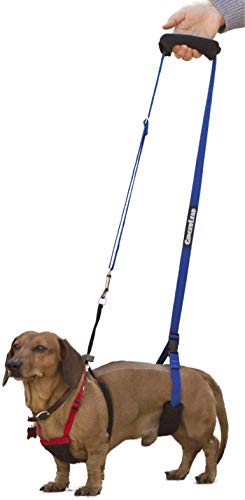
The GingerLead line, including an additional model, emphasizes mobility recovery for seniors and pets recovering from orthopedic or spinal issues. It includes padded neoprene and an integrated leash, making it a versatile choice for those who require reliable rear support during rehabilitation. Veterinary clinics often recommend GingerLead products for consistent use in recovery plans, ensuring compatibility with home-based therapy schedules and daily activities such as car rides or stair navigation.
Key features include: padded neoprene construction; integrated leash; easy to use across various scenarios; machine washable; widely used in veterinary settings. Evaluate sizing carefully to ensure the harness fits snugly without restricting movement or causing rubbing on DM-affected limbs.
Buying Guide: Key Purchase Considerations For DM Mobility Aids
Choosing the right dog lift harness for degenerative myelopathy involves balancing comfort, support, and practicality. Consider the following perspectives to tailor your choice to your dog’s needs.
- Fit and sizing: DM dogs vary in size and in the progression of weakness. Look for adjustable straps, secure belly wraps, and leg openings that accommodate rear-leg weakness without rubbing or adding excessive pressure.
- Care and maintenance: Machines washability is valuable for long-term use, especially for dogs that spend time outdoors or have incidental accidents during rehab. Verify fabric durability and ease of cleaning.
- Therapy integration: Some harnesses are better suited for stairs, car transfers, or gentle rehab routines. Align the product capabilities with your veterinarian or physical therapist’s rehab plan to maximize benefits.
- Hygiene considerations: For dogs with urinary or defecation needs, a model with a relief opening can reduce the need for removal during outings. This is especially helpful for longer walks and recovery phases.
- Durability and comfort: Look for breathable materials, padded handles for handlers, and secure clip-and-loop closures to minimize slipping. Comfort for the dog—especially the spine and hips—is essential to encourage gradual, safe use.
- Ease of use: Simpler harnesses reduce struggle during donning and doffing, which is important when mobility is limited by DM. However, ensure the harness remains secure enough to prevent shifts during movement.
- Multi-purpose value: Some models offer additional benefits such as recovery from orthopedic surgeries (TPLO/ACL), hip issues, or arthritis. If multiple conditions are present, prioritize options that serve broader rehab goals.
Overall, the right harness should support rear limb function, minimize handler strain, and fit comfortably within your dog’s daily routine. For degenerative myelopathy, pairing a suitable harness with a holistic plan—including veterinary guidance, physical therapy adjustments, and a maintained weight, joint-friendly exercise, and regular monitoring—offers the most balanced approach to maintaining mobility and quality of life.