Best Hairball Medicine for Cats: Top Remedies for One Calm, Hairball-Free Home
Hairballs are a common concern for many cats, especially indoor felines. This guide highlights five reliable hairball remedies that address digestion, coat health, and hairball prevention. Each option below comes with practical benefits, robust ingredients, and clear usage to help keep both cat and owner comfortable. Explore how bite-sized treats, gels, and lubricants can support smoother hairball passage and better overall wellness for your cat.
| Product | Brand | Format | Key Benefit |
|---|---|---|---|
| Cat Hairball Support Crunchy & Creamy Chews | Pet Honesty | Chews | Fiber, skin, and coat support; digestive health |
| CatLax for Hairball Elimination | Dechra | Laxative Gel | Helps eliminate hairballs; reduces vomiting |
| Nutri-Vet Hairball Paw Gel | Nutri-Vet | Gel | Lubricates intestines; supports digestion |
| Vetoquinol Laxatone Tuna Gel | Vetoquinol | Gel | Coats swallowed hair; aids passage |
| TOMLYN Laxatone Tuna-Flavored | TOMLYN | Gel | Lubricates hair; aids digestion |
Pet Honesty Hairball Crunchy & Creamy Chews (30-Day)

This hairball treat combines a crunchy outer shell with a creamy filling to appeal to cats while delivering health support. The formulation emphasizes psyllium as a natural fiber to aid hairball removal, fish oil for skin health, and apple pomace for digestion. The product is designed to minimize hairball formation and promote overall coat wellness, crafted by cat lovers who claim a strong Amazon presence. Daily feeding can support hairball relief in a palatable form that doubles as a snack.
Key considerations
- Fiber content supports hairball removal and gut health.
- Omega fatty acids may benefit skin and coat.
- Crunchy texture can aid acceptance by picky eaters.
CatLax for Hairball Elimination (2 oz)

CatLax is a petroleum-based laxative used to coat swallowed hair and help it pass through the digestive tract. It’s designed to reduce hairball-related vomiting and support digestion by delivering essential nutrients like cod liver and vitamin E for skin and coat health. This option focuses on easing hairball passage while maintaining overall digestive function. As with any laxative, adhere to dosing recommendations and monitor your cat’s response.
Key considerations
- Coats hair to aid passage through the digestive system.
- Veterinary-endorsed ingredient profile for skin and coat health.
- Potential interactions with other medications; follow dosage guidance.
Nutri-Vet Hairball Paw Gel

This paw gel is designed for easy administration by applying directly to your cat’s paws during grooming. It lubricates the intestinal tract with natural oils to support digestion and hairball control, and comes in a salmon flavor to appeal to a wide range of tastes. The gel aims to reduce hairball formation and shedding while supporting overall wellness for cats of all ages.
Key considerations
- Direct paw application simplifies dosing for some cats.
- Natural oils aid lubrication and digestion.
- Flavor profile helps ensure consistent intake.
Vetoquinol Laxatone Tuna Gel (4.25 oz)
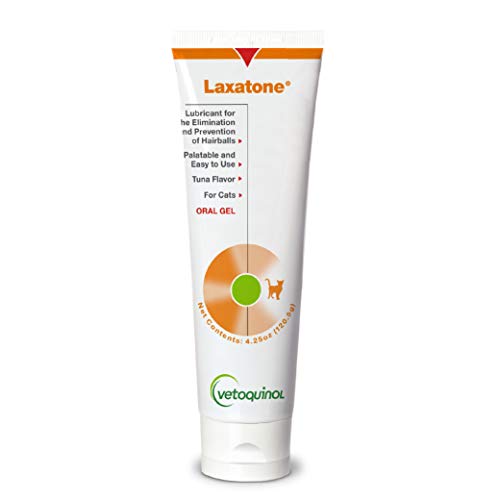
This tuna-flavored gel is a gentle digestive lubricant that coats swallowed hair to help it pass through the digestive tract more easily. It’s widely used to prevent and reduce hairballs and is appreciated for its palatability and simple application. The product is designed for cats and kittens, providing a practical means to support hairball management as part of a broader preventive strategy.
Key considerations
- Palatable tuna flavor can enhance regular use.
- Lubrication supports smoother hairball passage.
- Useful as a routine preventive measure for hairball-prone cats.
TOMLYN Laxatone Tuna-Flavored Gel

This tuna-flavored gel helps lubricate ingested hair to facilitate movement through the digestive tract and eventual excretion. It’s specifically marketed as a gentle hairball remedy for cats and kittens, with flavor options designed to suit varied cat preferences. Regular use aims to reduce hairball symptoms and support digestive comfort during shedding seasons.
Key considerations
- Coats swallowed hair to promote passage through the gut.
- Multiple flavors available to accommodate picky eaters.
- Often used as a routine preventive measure for indoor cats.
Buying Guide: Hairball Remedies For Cats
Selecting the right hairball remedy involves considering form, palatability, and how it fits into your cat’s routine. Here are key purchase considerations from multiple perspectives:
- Form factor: Chews, gels, and pastes each have distinct administration styles. If your cat balks at pills or liquids, choose treats or gels with favorable flavor and texture.
- Digestive support: Look for ingredients like psyllium, natural fibers, or essential fatty acids that promote hairball removal and coat health, not just temporary relief.
- Palatability: Flavor options (tuna, salmon, chicken) affect daily intake, especially for fussy cats. Flavors that match your cat’s preferences are more likely to be used consistently.
- Coat and skin benefits: Some products emphasize skin health and coat condition, which can be an added benefit for cats with dry skin or seasonal shedding.
- Safety and usage: Follow dosing guidelines carefully, especially for gels used with a caregiver’s routine or for kittens. If your cat has existing medical conditions or is on medications, consult a veterinarian before starting any hairball regimen.
- Preventive value: Regular use can reduce hairball formation, not just address occasional vomiting. Consider products that support digestion and coat health for long-term wellness.
When evaluating options, consider your cat’s habits, dietary needs, and preferences. A combination approach—such as a digestible fiber source alongside a palatable gel—may yield the best results for reducing hairball incidents while promoting overall feline wellness. Always monitor for changes in appetite, stool consistency, or vomiting, and seek veterinary guidance if concerns persist.