Best Grazing Muzzle for Laminitis: Top Picks for Safe, Healthy Grazing
Grazing muzzles help manage pasture intake to reduce laminitis risk while letting horses enjoy outdoor forage. The following five selections emphasize breathability, comfort, adjustable fits, and durable construction—key factors when choosing a grazing muzzle for laminitis-prone horses. Each option below is evaluated for airflow, ease of use, and overall design to support healthier grazing behavior.
| Product | Brand | Key Benefit |
|---|---|---|
| BARN & STABLE Horse Grazing Muzzle for Easy Breathe | BARN & STABLE | Adjustable straps, breathable basket design |
| Best Friend Deluxe Grazing Muzzle with Attached Halter | Best Friend | Attached halter, ventilated, breakaway safety |
| GREENGUARD GG Equine Grazing Muzzle | GREENGUARD | Open design, natural grazing, durable |
| Best Friend Standard Grazing Muzzle | Best Friend | Padded noseband, secure attachment, breathable |
| IKILEOGY Durable Ventilated Muzzle | IKILEOGY | Four-point attachment, padded noseband, cob size |
BARN & STABLE Grazing Muzzle: Breathable, Adjustable Comfort
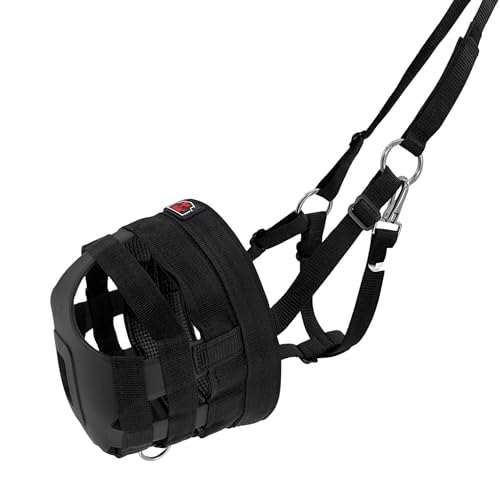
The BARN & STABLE grazing muzzle prioritizes airflow and fit with an adjustable nylon strap system. Its basket-style design keeps the muzzle lightweight while allowing ample jaw movement and cooling. A soft, padded noseband reduces rubbing and discomfort during extended grazing sessions, making it suitable for horses with heightened sensitivity around the muzzle area. The small bottom opening helps curb overconsumption of lush pasture, reducing laminitis risk without restricting natural grazing behavior. Suitable for a range of horse sizes, this muzzle emphasizes breathability and durability for daily use.
Best Friend Deluxe Grazing Muzzle with Attached Halter

The Best Friend Deluxe combines a grazing muzzle with an attached draft-halter design, facilitating a straightforward fit for many horses. Its ventilated construction promotes airflow during grazing, while a breakaway buckle system adds a safety layer for turnout. The lightweight build minimizes stress on the jaw and neck, and the overall design supports controlled intake without confining the horse to stall-like conditions. This model suits horses that require a dependable, easy-to-use grazing muzzle with dependable attachment hardware.
GREENGUARD GG Equine Grazing Muzzle: Light, Durable, Natural Grazing

The GREENGUARD GG muzzle emphasizes a light, durable design with an open, natural-grazing approach. Its lightweight construction aims to minimize jaw restraint while preserving airflow and a comfortable fit. Designed to support a horse’s normal grazing behavior, this model balances intake control with a sense of freedom, which can be important for reducing stress during use. The semi-flexible materials accommodate various pony, cob, and horse sizes, making it a versatile choice for multi-horse setups.
Best Friend Standard Grazing Muzzle: Padded, Ventilated, Secure
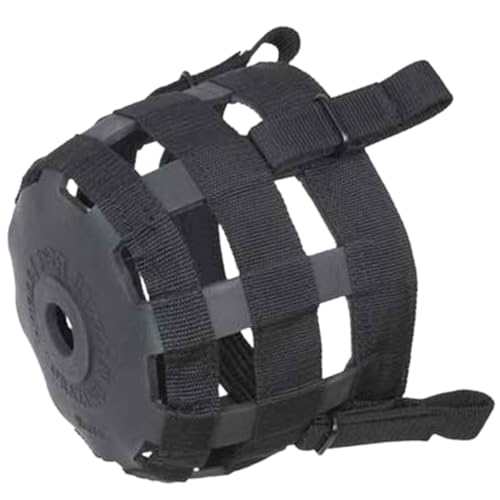
The Standard Best Friend muzzle combines a padded noseband with a lightweight, breathable frame. It is designed for secure attachment to halters, featuring multiple hook-and-loop connections to ensure a firm hold on cob-sized horses. The design supports natural grazing while restricting excessive intake, contributing to healthier digestion and weight management. This model is well-suited for riders seeking a reliable, comfortable muzzle that works with standard cob-sized horses and common halter setups.
T TEKE Nano-Duro II Deluxe: Fleece Lining And Adjustable Comfort

The T TEKE Nano-Duro II Deluxe features nano-technology durability at the bottom, providing long-lasting wear in diverse conditions. It includes a fleece fur lining for gentle contact with the horse’s face and a lower-cut design to improve comfort around the chin. The full adjustability of the halter ensures a secure, customizable fit for different head shapes and sizes. This option targets horses requiring enhanced comfort along with resilient construction for frequent use in varied environments.
IKILEOGY Ventilated Muzzle: Breakaway Halter Attachment

The IKILEOGY muzzle emphasizes a secure, four-point attachment to a breakaway halter, combined with a padded noseband for added comfort. Its light construction supports natural grazing behavior while offering reliable restraint to limit intake. The breakaway feature enhances safety during turnout, making it a strong option for farms with spirited horses or busy paddocks. This model is especially suitable for those seeking a balance of security, comfort, and ease of use.
Shires FreeGraze Airflow Muzzle: Fully Adjustable

The Shires FreeGraze Airflow muzzle focuses on controlled feeding with a fully adjustable harness. It supports selective grazing while reducing intake, which can help manage laminitis risk. The design prioritizes airflow and comfort, with chin adjustments to prevent unnecessary pressure. This option fits well for horses requiring a versatile, easy-to-adjust muzzle suitable for a range of environments and feeding plans.
Buying Guide: Key Considerations For Selecting A Grazing Muzzle
- Fit and size: Ensure you choose a muzzle that corresponds to your horse’s head measurements and muzzle width. Adjustable straps and breakaway features can improve safety and comfort, particularly for thoroughbreds or draft crosses.
- Airflow and ventilation: Look for open basket designs or ventilated muzzles that allow steady airflow to prevent overheating during grazing, especially in warmer climates or during exercise breaks.
- Comfort features: Padded nosebands, fleece linings, and soft edges reduce chafing and skin irritation. A lower chin cut can improve comfort without compromising intake control.
- Grazing behavior: The muzzle should enable natural grazing movements while limiting excessive grass intake. Consider models designed as slow feeders to promote better digestion and laminitis risk reduction.
- Attachment system: Decide between attached halters, standard halters, or breakaway mechanisms. Breakaway options increase safety during turnout, while attached halters simplify use for routine grazing.
- Durability and maintenance: Durable materials resist weather exposure and daily wear. Check for washability and ease of cleaning to maintain hygiene and prevent skin issues.
- Compatibility: If you have multiple horses, consider muzzles that fit a range of sizes (pony to cob) or that can be shared across horses with proper fitting adjustments.
- Training and acclimation: Introduce a muzzle gradually to minimize stress. Pair muzzle use with positive reinforcement and consistent grazing routines.
When selecting a grazing muzzle for laminitis-prone horses, prioritize models with proven airflow, comfortable fit, and reliable adjustment options. A muzzle that balances restriction with natural grazing behavior can help support healthier pasture management while reducing the risk of laminitis.