Best Food Options for Yorkshire Terrier Puppy Nutrition
The Yorkshire Terrier puppy deserves a balanced diet that supports growth, small jaw mechanics, and a glossy coat. This guide highlights a curated selection of dry and wet foods, plus a premium shampoo option, to help owners choose meals that suit a Yorkie’s unique needs. Below you’ll find quick product summaries, feature highlights, and considerations for selecting the right food as your puppy matures from eight weeks to adulthood.
| Product | Format | Best For | Key Benefit |
|---|---|---|---|
| Royal Canin Yorkshire Terrier Puppy Dry Food | Dry | Puppy (8 weeks to 10 months) | Crunchy kibble designed for a Yorkie’s bite |
| Hill’s Science Diet Puppy Small & Mini | Dry | Puppy (small breeds) | DHA for brain/eye development |
| Royal Canin Yorkshire Terrier Adult Dry Food | Dry | Adult Yorkies | Healthy skin & coat support |
| Royal Canin Yorkshire Terrier Senior Dry Food | Dry | Senior Yorkies | Support for aging cells and kidney health |
| Royal Canin Yorkshire Terrier Wet Loaf (Adult) | Wet | Adult Yorkies | Loaf in sauce with coat-friendly nutrients |
The following sections delve into each option, examining how it helps address growth, coat health, dental considerations, and overall vitality. Each product blends breed-specific nutrition with proven formulas to support a Yorkie’s distinct needs during puppyhood and beyond.
Royal Canin Yorkshire Terrier Puppy Dry Food

This breed-specific puppy food is formulated for purebred Yorkshire Terriers from eight weeks to ten months old. It features a crunchy kibble texture tailored to a Yorkie’s small muzzle and bite, making it easier for a puppy to pick up and chew. The formula includes antioxidants and vitamin E to support a developing immune system and overall growth. This option helps promote healthy muscle development while supporting a shiny coat and a comfortable digestion process, aligning with common Yorkie growth patterns and dental considerations typical of toy breeds.
Hill’s Science Diet Puppy Small & Mini

Designed for small-breed puppies, this dry food emphasizes high-quality protein to support growing muscles and active play. DHA from fish oil contributes to healthy brain and eye development, which is particularly important for small dogs that reach peak cognitive development early. The balanced minerals help support growing bones and teeth, while the easily digestible formulation helps reduce gastrointestinal upset in new puppies. This option provides a well-rounded approach for Yorkie puppies that need steady energy without overloading their delicate systems.
Royal Canin Yorkshire Terrier Adult Dry Food
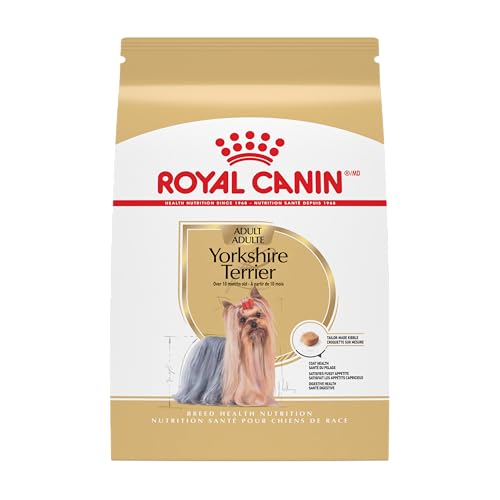
Although marketed for adults, this Royal Canin option remains a solid choice for Yorkie puppies transitioning toward adulthood when guided by a breeder’s timeline. The kibble is tailored to a Yorkie’s small jaw, facilitating easier picking up and chewing. The formula emphasizes healthy skin with a blend of biotin, omega-3, and omega-6 fatty acids, supporting coat quality and resilience. It serves as a dependable step-down option to maintain consistent fiber and nutrient intake as your puppy grows into an adult.
Royal Canin Yorkshire Terrier Senior Dry Food

For aging Yorkies, this senior formula addresses cellular health with a targeted antioxidant blend, and it provides a 15% lower phosphorus level to support kidney health—a key consideration for small-breed seniors. The kibble still supports a glossy coat through omega-3 and omega-6 fatty acids and biotin, helping to maintain skin health and coat condition as metabolism shifts with age. While intended for older dogs, it can be a long-term option as a Yorkie transitions through adulthood into senior life.
Royal Canin Yorkshire Terrier Adult Loaf in Sauce Wet Food

This wet adult option provides a palatable loaf in gravy format, designed to meet the needs of purebred Yorkshire Terriers aged 10 months and older. The soft texture can be beneficial for elderly pets or puppies with dental sensitivities during transition periods. It supports coat health through a balanced mix of omega fatty acids and biotin, offering a different texture profile to complement dry foods and help keep mealtimes interesting for picky eaters.
Buying Guide: Key Considerations For Yorkshire Terrier Puppy Food
Choosing the right food for a Yorkie puppy involves balancing growth needs, dental health, and coat quality. Here are essential considerations and comparisons to help buyers decide among the options above.
- Life stage alignment: Puppies require higher protein and energy density than adults. Look for formulas labeled specifically for puppies and small or toy breeds, especially during the first year of growth.
- Texture and dental comfort:Yorkies have small jaws; kibble shapes that are easier to grasp and chew can support dental health and digestion. Consider kibble size and texture when selecting dry food.
- Coat and skin support: Many Yorkie-focused formulas include omega-3/6 fatty acids and biotin to promote a healthy coat and skin. This is particularly important for breeds prone to skin irritations and shedding.
- Wet vs dry balance: Wet food can improve palatability and hydration, especially for picky eaters or puppies with dental sensitivities. A mixed approach can be effective when guided by a vet.
- Senior transition readiness: If you plan to transition to senior formulas as your Yorkie ages, consider a plan that introduces gradual changes over 7-10 days to avoid digestive upset.
- Allergies and sensitivities: Monitor for signs of digestive distress or skin reactions. If sensitivities appear, consider an alternative with different protein sources or limited-ingredient options.
- Feeding guidelines and portion control: Small breeds commonly require multiple meals per day. Follow manufacturer guidelines and adjust portions based on activity, weight, and veterinary advice.
In summary, a Yorkie puppy benefits from breed-specific or small-breed puppy formulas that support growth, coat health, and digestion. Wet options offer palate variety and hydration, while senior formulas can guide long-term dietary planning as the dog matures. Use a gradual transition when switching brands or formulas to maintain gastrointestinal comfort and appetite satisfaction.