Best Fish Tank Tunnels for Under Gravel Exploration
Creating engaging underwater landscapes often means adding elements that invite exploration and natural behavior. A fish tank tunnel or cave provides hidden spaces, playful viewing opportunities, and a more dynamic aquascape for both fish and shrimp. This guide highlights five popular tunnel decor options and explains how to choose the right design for your tank setup. Read on for practical considerations, installation tips, and comparable features to help you decide which tunnel best suits your aquarium.
| Product | Brand | Key Benefit | Ideal For |
|---|---|---|---|
| Shrimp & Fish Aquarium Decor – Tunnel Cave & Hideout | CPLIKE | Low-profile, flush with substrate | Small to mid-sized tanks, shy species |
| FISHNOSH Aquarium Cave | FISHNOSH | Natural driftwood look, modular maze | Creatively arranged setups, active fish |
| Lucky Critter Underground Tunnel Cave | Lucky Critter | Two-hole, natural curve, viewing focus | Small to medium tanks, viewing emphasis |
| LIYAOLI Aquarium Ornaments Cave Tunnel | LIYAOLI | Viewing ports, universal small-fish fit | Shrimp and small plecos, secure passages |
| EMUTOL Dual-Entrance Aquarium Tunnel | EMUTOL | Two entrances, 360° exploration | Active explorers, complex pathways |
When choosing a tunnel, consider tank size, substrate type, and whether you want a natural look or a more whimsical, edible decor vibe. Safety is also key: ensure tunnels have smooth interiors, no sharp edges, and are constructed from non-toxic materials. The following sections summarize five relevant tunnel options, drawing from popular Amazon listings to help you compare aesthetics, installation, and pet-friendliness.
Shrimp & Fish Tunnel Cave For Aquariums

The CPLIKE Underground Tunnel combines a captivating design with a practical bury-under approach. Its low-profile form lets it sit neatly beneath substrate, offering a discreet yet engaging route for fish, shrimp, and other aquatic inhabitants. The flush openings and a gentle ramp facilitate easy entry and exit, reducing stress for shy species and minimizing disturbance. This tunnel serves as an exploratory pathway that can enhance natural foraging behavior while maintaining a clean aesthetic in smaller to mid-sized tanks.
Key considerations: ensure the tunnel is buried evenly to maintain stability and avoid substrate clogging. The structure is designed to be fish-friendly with a ramp, helping inhabitants navigate the entrance comfortably. The cave’s color and texture are chosen to blend with typical aquascapes, helping fish feel secure in their environment.
FISHNOSH Cave: Natural Wood Look

The HANDCRAFTED FISHNOSH cave resembles driftwood, offering a natural, earthy vibe that complements many aquascapes. Its design invites exploration with tunnels and hideouts that are ideal for small or medium species. The modular nature lets hobbyists stack or connect multiple units into a personalized maze, creating a dynamic habitat that can evolve with the tank. Fish, Corydoras, tetras, and other small swimmers will appreciate the variety of hiding spots and routes through the cave network.
Key considerations: while the wood-like aesthetic is attractive, verify that the surface texture is smooth to prevent snagging fins. The ability to expand the setup with additional modules provides ongoing interest, but ensure you have adequate space for future additions and that the overall layout maintains good water flow around the tunnel network.
Lucky Critter Underground Tunnel Cave: Natural Curve

Designed with a natural curve, this two-hole tunnel emphasizes a realistic cave-like appearance beneath the substrate. It supports active viewing from above, allowing observers to enjoy a new perspective of fish and shrimp as they navigate the curve. The natural curvature helps the tunnel blend with typical gravel beds, making it a versatile choice for community tanks containing Corydoras, Kuhli loaches, plecos, bettas, or shrimp.
Key considerations: the two-hole design promotes social interaction and foraging activity without creating bottlenecks. When installing, gently rearrange substrate around the cave to hide seams while preserving a stable base. For small tanks, place the tunnel off-center to maximize tank footprint and maintain good filtration flow around the structure.
LIYAOLI Cave Tunnel With Viewing Ports

LIYAOLI’s design focuses on small to mid-sized fish and shrimp, featuring multi-angle viewing holes and a universal fit for creatures from 0.8 to 4 inches. The viewing ports enhance observation, giving aquarists a clear look at how residents explore the tunnel from various angles. The sinking base helps keep it in place, reducing movement during maintenance. This tunnel can pair well with live plants or driftwood to create a cohesive, natural look while offering security during molting or feeding times.
Key considerations: ensure adequate substrate depth so the tunnel remains stable and level. The ports should be checked for burrs or rough edges that could irritate sensitive species. Because of its universal fit, this tunnel works well for a range of small residents and can be used as a centerpiece or a supporting feature in larger tank setups.
EMUTOL Dual-Entrance Tunnel With 360° Access
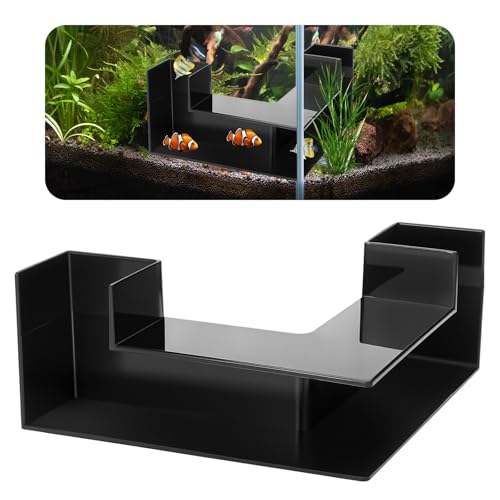
EMUTOL offers a dual-entrance tunnel designed to maximize exploration and water movement. The two distinct entrances enable fish to swim back and forth with ease, encouraging natural foraging behavior and social interaction. Made from premium, non-toxic plastic, the tunnel is durable, easy to install, and compatible with most standard tanks. The dual-channel design also helps maintain gentle water circulation through the tunnel network, reducing stagnation in heavily planted or densely stocked setups.
Key considerations: verify the tunnel’s dimensions match your tank’s available space and substrate depth. A two-entry design can influence swimming patterns, so place it where fish frequently travel to avoid creating dead zones. Regular maintenance around the entrances helps prevent debris buildup and ensures continuous flow through the tunnel.
Aquarium Underground Mangrove Tree Cave

This Lucky Critter cave mimics mangrove roots, offering a natural curve and a cozy hideout for a wide range of fish and invertebrates. The curved design blends into the habitat while providing a focal point for viewing. The cave sinks naturally into the substrate, reducing the need for substantial gravel each time you maintain the setup. It’s well-suited for Corydoras, Kuhli loaches, clown loaches, plecos, Bettas, and shrimp, creating a multi-species enrichment scenario.
Key considerations: ensure the cave’s depth is suitable for your tank’s substrate and glass clearance. A mangrove-inspired aesthetic pairs well with live aquatic plants and driftwood, but check for any potential rustling during feeding or maintenance that could disturb the occupants.
FROSTO Corner Underground Cave Ornament

FROSTO’s corner cave is designed for space efficiency in aquariums and terrariums. The corner design helps maximize usable enclosure space while providing a naturalistic hideout for bettas, Corydoras, shrimp, geckos, and even small snakes in terrarium contexts. Made from plant-based PLA, the cave is environmentally friendly and free from BPA or harmful additives. Its textured root-like appearance adds depth to the aquascape, making it a practical and aesthetic choice for multi-species environments.
Key considerations: confirm your tank corner dimensions before purchase to ensure a snug fit. Since it’s designed for both underwater and terrestrial habitats, ensure the material remains stable when used in terrariums with humidity or moisture changes. Pair with compatible decor to maintain a cohesive look in your display.
Buying Guide: How To Choose The Best Fish Tank Tunnel
Choosing the right tunnel depends on tank size, inhabitants, substrate type, and aesthetic goals. Consider the following factors to decide which tunnel aligns best with your aquarium needs:
- Tank size and layout: Larger tanks can accommodate multiple tunnels or a modular maze. Smaller tanks benefit from a single, low-profile tunnel to avoid crowding.
- Substrate compatibility: Buried designs require stable substrate coverage. Coarse gravel or sand should be evenly spread to prevent tunnel collapse or shifting.
- Inhabitant behavior: Active fish may enjoy long tunnels with multiple entrances, while shy species benefit from secluded hideouts and gradual access ramps.
- Maintenance and cleaning: Tunnels with smooth interiors and minimal crevices reduce debris buildup. Plan for easy removal during substrate cleaning.
- Materials and safety: Non-toxic, BPA-free plastics or natural-look resin help protect water quality and skin contact safety for fish and shrimp.
- Aesthetic harmony: Choose textures and colors that complement live plants, wood decor, and rockwork to create a cohesive underwater scene.
- Future expansion: Some designs are modular and stackable, allowing you to enlarge your tunnel network as your bioload grows or as you refine your aquascape.
In practice, a tunnel that sits flush with the substrate and features gentle entrances is typically ideal for a peaceful community tank. If you value observation, prefer a design with multiple viewing ports or curved paths that reveal new angles as fish explore. For aquariums that double as terrariums or mixed habitats, a corner or mangrove-inspired tunnel can add both function and habitat realism.
Before finalizing a choice, compare product dimensions with your tank’s footprint, verify installation requirements, and check compatibility with your filtration system. Reading customer reviews can also reveal subtle pros and cons related to airflow, substrate stability, and long-term durability in real-world setups.