Best Filter Media for Planted Tank: Top Options for Clear, Healthy Water
Choosing the right filter media is essential for a planted aquarium. The media you select affects biological filtration, water clarity, odor control, and the overall health of your aquatic plants and fish. This guide highlights five well-regarded options that balance biological filtration with mechanical cleaning, helping you maintain a stable, plant-friendly environment.
| Product | Brand | Primary Benefit |
|---|---|---|
| BioMax Biological Material Remover | Fluval | Biological filtration and ammonia/nitrate control |
| Aquarium Carbon Pad | Aquatic Experts | Odor and discoloration removal with easy cutting |
| FilterFirst Aquarium Filter Pad | Aquatic Experts | Dual-layer polishing for clearer water |
| Fluval Carbon Filter Media | Fluval | Carbon-based impurity absorption and water clarity |
| MAQIHAN Bio Media Brick | MAQIHAN | Porous bio media for robust biological filtration |
Below you’ll find five product sections that explain how each option works, what makes it useful for planted tanks, and how to use it effectively. Each section stays concise and focused on key details to help you compare quickly.
Fluval BioMax Biological Material Remover
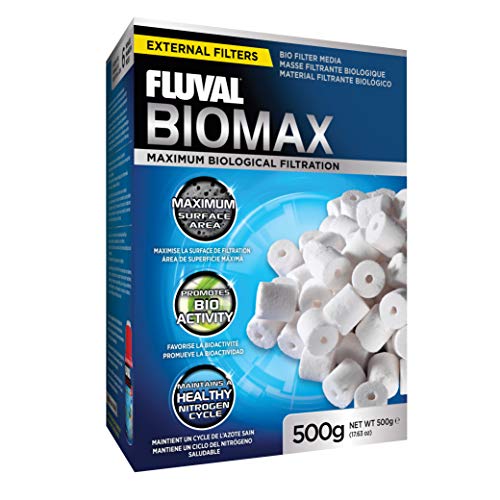
BioMax is designed to fit Fluval canister and advanced filters, providing a high-porosity substrate that supports beneficial bacteria. It helps regulate ammonia and nitrate levels, a critical factor for plant health and stability in a planted tank. The porous structure promotes extended contact time as water moves through, encouraging robust biofiltration without creating excess debris in the plant beds. Suitable for aquariums that demand clear water and consistent nitrogen cycling, BioMax is a straightforward upgrade for existing Fluval setups.
Aquarium Carbon Pad

This carbon-infused pad replaces loose carbon granules with a cut-to-fit pad. The activated carbon removes odors and discolors, enhancing water clarity—an important factor for plant health and visual appeal. Pads are designed to be cut to match almost any filter footprint, then rinsed and placed. They work across freshwater and saltwater systems, ponds included. For planted tanks, use carbon pads sparingly, as carbon can remove some trace elements beneficial to plants if left in too long after dosing medications or fertilizers.
Aquatic Experts FilterFirst Aquarium Filter Pad

FilterFirst combines two layers in one pad: a top layer that traps larger debris and a bottom layer that catches finer particles. This dual-density approach yields clearer water and reduces clogging, helping maintain steady flow through plant roots and substrate. The pad is easily cut to fit various filters, making it a versatile choice for hobbyists who run wet/dry setups, canister systems, or sumps. Regular replacement improves both mechanical filtration and water polish in planted tanks.
Fluval Carbon Filter Media
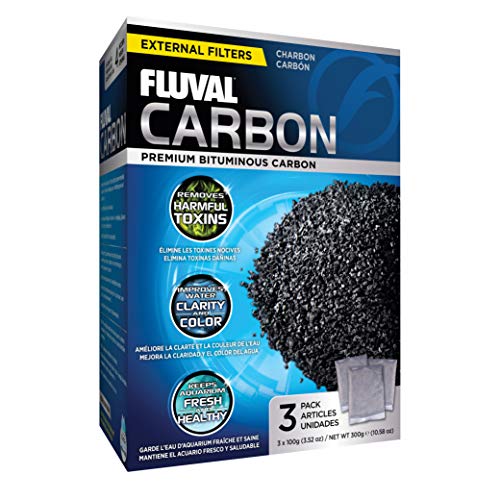
This carbon media delivers premium surface area for adsorption of impurities and color molecules. It helps improve overall water clarity and odor, particularly useful when you’re trying to maintain a pristine visual environment for pale or low-light aquatic plants. Use carbon inserts as part of a rotation with other media to avoid removing beneficial nutrients needed by aquatic plants. Follow manufacturer guidance on dosage and replacement intervals to balance filtration with plant health.
MAQIHAN Filter Media Brick

MAQIHAN’s bio brick blocks provide a porous, macro-cut structure that maximizes surface area for beneficial bacteria. The design promotes smooth water flow and long-term contact with the bacteria colonies, supporting a stable nitrogen cycle. These bricks are adaptable for in-tank use or integration with canister filters and sumps. They work well in both freshwater and marine setups, and they’re compatible with various filter configurations, which helps hobbyists customize their filtration strategy around plant needs.
Buying Guide: Key Purchase Considerations for Planted Tanks
Biological filtration versus mechanical filtration: Planted tanks benefit from a balanced mix of media that supports colonies of beneficial bacteria while providing physical debris removal. If you lean toward heavy stocking or high bioload, prioritize media with higher porosity for bacteria colonization, paired with mechanical pads to trap particulates.
Material compatibility: Ensure media compatibility with your filter model. Some media are made specifically for Fluval or Aquatic Experts systems, while others are universal. Check fit, replacement frequency, and whether the media requires rinsing before use.
Impact on nutrient cycling: Some carbon media can remove trace nutrients that plants rely on if left in too long. Plan a rotation strategy: use carbon pads sparingly, and replace them on a schedule that aligns with plant supplementation. For carbon-heavy media, consider alternating with inert biological media to preserve nutrient balance.
Maintenance cadence: Filter media collect debris and dissolve compounds at different rates. Pad-based media generally require more frequent inspection and cutting to fit filters, while ceramic media and bio-media bricks can last longer between cleanings. Always follow a manufacturer’s guidance for cleaning frequency to avoid disrupting beneficial bacteria.
Plant compatibility: Consider light levels, substrate, and plant density in your tank. A well-chosen media combination should maintain crystal-clear water without stripping essential nutrients from the substrate or harming delicate plant roots. Fine mechanical media support sulfate-friendly environments for rooted plants and mosses alike.
Cost and availability: Bulk media options can reduce per-unit cost and minimize frequent replacements. If you maintain multiple tanks, choosing media with common compatibility reduces stocking complexity and simplifies maintenance routines.
When selecting filter media for a planted aquarium, a practical approach is to combine a robust biological medium with a dependable mechanical pad. This layered approach helps maintain water clarity, supports a stable nitrogen cycle, and keeps plant roots free from debris. The products listed above offer varied designs—bio bricks, carbon pads, multi-layer pads, and universal carbon media—to fit a range of filters and tank sizes. Always tailor your choice to your filter model, stocking level, and plant density to sustain a healthy, visually vibrant planted tank.