Best Fiber Diet for Cats: Top Picks for Digestive Health
A cat’s digestive comfort often hinges on the right balance of fiber, prebiotics, and digestible nutrients. This guide highlights five cat products focused on digestive support and fiber intake, helping you choose options that promote regularity, gut health, and overall wellness. The selections cover supplements, dry and wet foods, and formulas designed to ease constipation, reduce hairballs, and support a healthy stool quality.
Summary of Selected Products
– FiberSyl Prebiotics for Cats Digestive Health – Cat Fiber Supplements for Constipation Relief – Psyllium Husk Seed
– Hill’s Prescription Diet Gastrointestinal Biome Stress Digestive/Fiber Care Dry Cat Food
– Purrly Lickable Wet Cat Treats Creamy Purée with Prebiotic and Dietary Fiber
– Hill’s Science Diet Gastrointestinal Fiber Response Dry Cat Food
– Hill’s Science Diet Adult 1-6 Sensitive Stomach & Skin Dry Cat Food
FiberSyl Prebiotics for Cats Digestive Health

FiberSyl combines psyllium husk powder and barley malt extract to provide a natural fiber source aimed at normalizing stool consistency and easing constipation. The formula supports daily digestive function with plant-based nutrition, helping cats maintain a comfortable, smooth digestive process. It is marketed to aid stool firmness and overall gut wellness through regular fiber intake.
Key features include natural fiber from psyllium husk and barley malt, digestive health support, and potential assistance with appetite regulation through increased fullness. The product emphasizes a non-pharmacological approach to stool management and gut balance, suitable for cats needing gentle fiber support as part of a broader wellness regimen.
Hill’s Prescription Diet Gastrointestinal Biome Stress Digestive/Fiber Care Dry Cat Food

This veterinary-exclusive dry cat food is designed to support digestive health and stress reduction. It combines clinical nutrition to promote regular stool and reduce recurrence risk, with ingredients like hydrolyzed casein and L-tryptophan aimed at stress relief. The formula targets cats needing a controlled fiber blend for GI comfort, while supporting a balanced transit through the digestive tract.
Considerations include the role of prebiotics and fiber in GI health, the potential benefits for stress-linked gut issues, and the need for veterinary oversight when using prescription diets. It is best used under a vet’s guidance for cats with chronic GI concerns or specific dietary protocols.
Purrly Lickable Wet Cat Treats Creamy Purée with Prebiotic and Dietary Fiber

Purrly treats offer human-grade protein sources with added prebiotic fiber designed to support digestive health. The lickable purée format provides hydration and palatability, which can encourage oral intake and assist with stool consistency. The product emphasizes clean ingredients, avoiding artificial additives, grains, and by-products, appealing to owners seeking transparent nutrition.
From a fiber perspective, the product emphasizes dietary fiber as part of a broader digestive health strategy, along with a flavorful, moisture-rich option that can complement a cat’s regular diet. It is suitable for cats of all ages and those needing additional hydration or appetite support.
Hill’s Science Diet Gastrointestinal Fiber Response Dry Cat Food

Royal Canin and other Hill’s GI-focused formulas rely on psyllium and prebiotics to support stool quality and GI transit. This product is designed to normalize stool frequency and quality with a psyllium-enhanced approach, while delivering high digestibility and omega-3 fatty acids for overall GI comfort. It targets cats needing a steady, fiber-forward feeding plan.
Key considerations include fiber source quality, the balance between digestive support and palatability, and the role of prebiotics in sustaining gut flora. This option is part of a broader line focused on GI health for adult cats and can be integrated with veterinary guidance for optimal results.
Hill’s Science Diet Adult 1-6 Sensitive Stomach & Skin Dry Cat Food
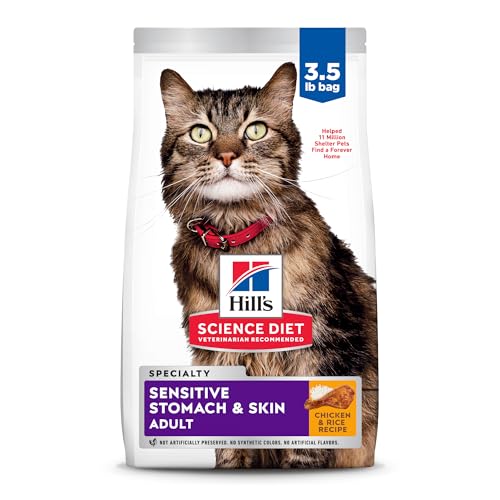
This formula emphasizes gentle digestion for adult cats with sensitive stomachs, featuring a highly digestible recipe with prebiotic fiber for nutrient absorption. It includes vitamins and fatty acids supporting skin and coat health, aligning fiber support with holistic wellness. The product targets cats needing a stomach-friendly, fiber-inclusive daily dietary option.
From a fiber perspective, the prebiotic fiber aids digestion while the digestibility of ingredients reduces GI distress. It suits households seeking a reliable, everyday option that addresses both stomach sensitivity and coat health through a careful balance of ingredients.
Buying Guide: Fiber Diet For Cats And How To Choose
- Fiber sources and types: Look for psyllium husk, beet pulp, or other fermentable fibers that support stool form and GI transit. Prebiotics like inulin or FOS can help nourish beneficial gut bacteria.
- Wet vs dry considerations: Wet foods add moisture, which supports hydration and stool softness. Dry foods can deliver steady fiber intake and convenience, often paired with supplementation as needed.
- Veterinary guidance: Prescription GI diets are designed for specific conditions. Work with a veterinarian to determine the appropriate fiber level and product for your cat’s health needs.
- Age and life stage: Kittens, adults, and seniors have different GI needs. Select formulas aligned with age, activity, and any chronic conditions such as hairballs or urinary concerns.
- Palatability and hydration: Choose products with ingredients your cat enjoys, while prioritizing hydration through wet options when possible to support stool consistency and overall digestion.
- Holistic approach: For optimal outcomes, combine dietary fiber with water intake, regular grooming to reduce hair ingestion, and consistent feeding schedules.
- Monitoring and adjustments: Track stool quality, frequency, and any GI symptoms. Adjust fiber sources gradually to avoid sudden GI upset and consult a vet if issues persist.