Best Live Feeding Insects for Reptiles and Birds: A Practical Guide to Feeding Live Black Worms and Alternatives
For pet health and vitality, live feeding insects offer essential protein, fats, and minerals. This guide focuses on popular live feeders, including live black worm alternatives, to help you choose safe, nutritious options for reptiles, birds, and fish. Each product below is presented with key features to support informed decisions.
Summary Of Selected Products
| Product | Brand | Type | Highlights |
|---|---|---|---|
| 200 Medium Live Soldier Fly Larvae | Dubia Roaches | Soldier Fly Larvae | Ideal staple feeders; calcium-rich; no dusting |
| BESTBAIT Live Medium Mealworms | BESTBAIT | Mealworms | High protein; versatile; fresh |
| Dubia.com 100 Live Waxworms | Dubia Roaches | Wax Worms | High protein; premium live worm quality |
| TC INSECTS Live Mealworms Small Size | TC INSECTS | Mealworms | Gut loaded; 200 count; live delivery |
| Live Hornworms 24-30+ Count | Avangtar Reptiles | Hornworms | Fresh; nutritious; cup packaging |
Notes: The table lists five products most relevant to feeding live insects and worms. Each item is evaluated for use with reptiles, birds, and other pets, focusing on nutrition, ease of feeding, and freshness.
200 Medium Live Soldier Fly Larvae
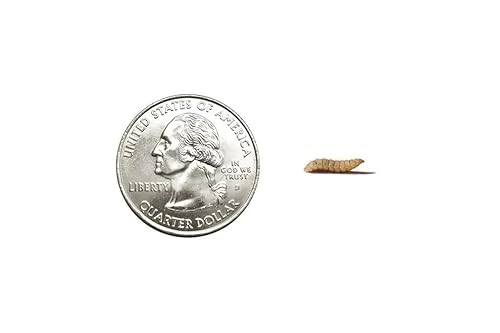
The soldier fly larvae are presented as a nutritious staple feeder option for reptiles such as bearded dragons, geckos, and chameleons. They require no dusting or additional supplementation, reducing handling steps for owners. The product emphasizes calcium content, supporting bone health and overall vitality in pets that rely on live insects as a dietary component. This option is described as an edible, digestible protein source that can supplement variety in feeding regimens while delivering essential minerals.
BESTBAIT Live Medium Mealworms
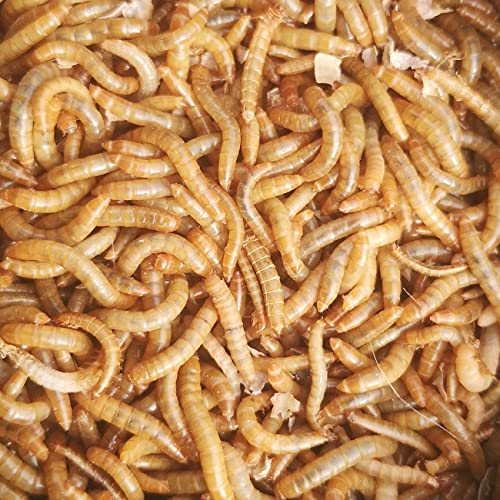
Mealworms provide a versatile feeding option across species. The BESTBAIT mealworms are described as high-protein, nutrient-dense larvae suitable for birds, reptiles, and fish. They carry essential vitamins and minerals to support balanced diets and vitality. The product emphasizes freshness and careful handling to maintain nutritional value from shipment to arrival, making them a reliable live feeding choice for diverse pets and life stages.
Dubia.com 100 Live Waxworms
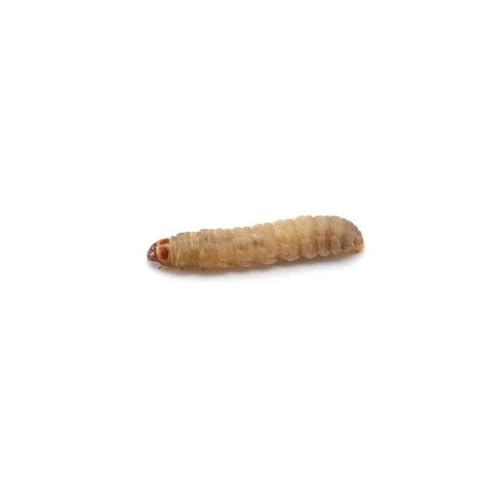
Waxworms are a traditional live feeder for reptiles, offering high protein and fats essential for growth and energy. The Dubia.com waxworms are described as high-quality, nutritious live worms sourced under controlled conditions to ensure safety for pets. They are suitable for reptiles and also used by anglers as live bait, reflecting their robust energy content. Their live status supports active feeding behavior in pets that prefer moving prey.
TC INSECTS Live Mealworms Small Size
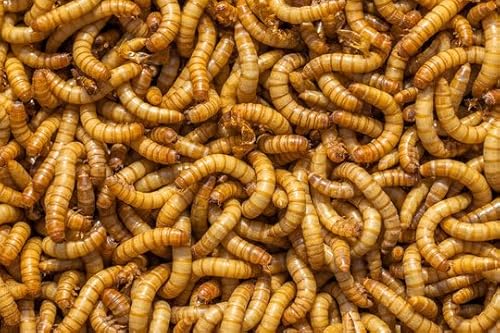
TC INSECTS offers small, gut-loaded mealworms sized at about a half inch each. These live larvae are packaged for shipping to arrive in peak condition with enhanced nutritional value. They are presented as a practical option for feedings requiring smaller prey, suitable for reptiles, birds, fish, and amphibians. The gut-loading process aims to maximize amino acids, minerals, and vitamins for improved pet health and growth.
Live Hornworms 24-30+ Count

Hornworms offer a nutritious option rich in nutrients suitable for various reptiles. The Live Hornworms are described as fresh, full of nutrients, and delivered in convenient 24-30+ counts per cup packaging. This packaging makes it easier to portion feeding for pets that require larger or more substantial live prey, while maintaining freshness during transport and storage. Hornworms are often favored for their palatability and digestibility in many reptile species.
Buying Guide: Key Considerations For Live Insect Feeders
Species compatibility and nutritional needs
Different pets require varying protein, fat, and calcium levels. Reptiles, birds, and fish thrive on specific feeder types, so match the insect or worm to the animal’s natural diet. Calcium-rich options help with bone health, particularly for growing juveniles and egg-laying females.
Size and life stage
Choose size-appropriate feeders. Smaller pets or juveniles need tiny prey, while larger reptiles or birds can handle medium to large prey. Packaging like cups or counts per unit helps gauge portion sizes and feeding frequency.
Freshness and handling
Live insects require careful handling and prompt delivery to preserve vitality. Look for sellers that emphasize gut loading (nutritional enrichment before shipping), minimal processing, and arrival guarantees to ensure your pet receives active prey.
Safety and health considerations
Ensure products come from reputable sources with clean breeding practices. Check for signs of mold, off odors, or lethargic specimens upon arrival. Dust-free options are valuable for pets with dust sensitivity or respiratory concerns.
Feeding schedule and diversity
Incorporating a variety of feeders can prevent nutritional gaps and monotony. A rotating menu of mealworms, waxworms, hornworms, and soldier fly larvae can support broader health outcomes while keeping pets engaged during meals.
Cost and availability
Live feeders may require more frequent purchases due to perishability. Compare counts, shipment options, and bulk availability to balance cost with pet health benefits. Consider local availability to reduce shipping frequency and stress on pets from long transit times.
Environmental and ethical considerations
Some buyers prefer insects raised with sustainable practices. Look for brands that disclose diet, housing, and shipping methods that minimize waste and environmental impact while ensuring animal welfare standards.
By evaluating these factors—species fit, size, freshness, safety, feeding strategy, cost, and sustainability—you can select live feeders that align with pet needs and care routines. The products listed above represent common options that balance nutrition, practicality, and reliability for a wide range of American households.