Best Fats for Dogs: Top Dog Foods and Supplements for Healthy Fat Intake
Choosing the best fats for dogs is essential for supporting their overall health, including skin, coat, joints, and digestive wellness. This guide highlights top-rated dog foods and supplements with optimal fat content or low-fat options tailored to different health needs.
| Product | Type | Key Features |
|---|---|---|
| Natural Balance Original Ultra Fat Dogs Chicken Meal, Salmon Meal & Barley Recipe | Dry Dog Food | Low calorie, quality protein with wholesome grains and fiber blend |
| Hill’s Prescription Diet i/d Low Fat Digestive Care Wet Dog Food | Wet Dog Food | Low fat, highly digestible protein supporting digestive health |
| Purina Pro Plan Veterinary Diets Gentle Snackers Hydrolyzed Low Fat Dog Treats | Dog Treats | Low fat, hydrolyzed for sensitive stomachs and weight management |
| Eagle Pack Natural Dry Reduced Fat Dog Food Pork & Chicken | Dry Dog Food | Lean protein, omega fatty acids, glucosamine, no artificial additives |
| Nutramax Welactin Omega 3 Fish Oil Soft Chews | Supplement | Premium omega-3 fatty acids, supports skin, coat, immune health |
Natural Balance Ultra Fat Low Calorie Dry Dog Food

Natural Balance Original Ultra Fat Dogs Chicken Meal, Salmon Meal & Barley Recipe is a low calorie dry dog food designed to provide balanced nutrition while reducing fat intake. The formula features chicken meal as the first ingredient, offering essential protein and amino acids for strong muscles. It includes wholesome grains like peas, oat groats, and barley to boost fiber intake for digestive health.
With a special fiber blend and targeted nutrition, this dog food helps dogs feel full without excess calories. It’s ideal for dogs needing weight control without sacrificing essential nutrients, promoting a healthy weight and body condition.
Hill’s Prescription Diet i/d Low Fat Digestive Care Wet Food
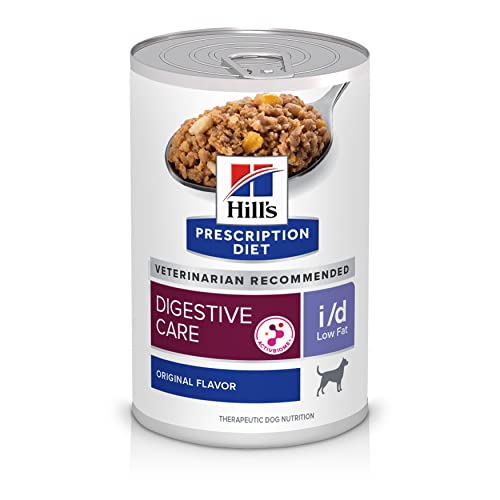
Hill’s Prescription Diet i/d Low Fat Digestive Care Wet Dog Food is a veterinary-formulated low fat diet specially crafted to support dogs with digestive sensitivities. This canned food helps improve digestion, nutrient absorption, and reduces blood fat levels, promoting overall digestive health.
Its low fat content and highly digestible protein formula make it suitable for dogs prone to pancreatitis or gastrointestinal upsets. This product supports recovery and maintenance with balanced nutrition in an easy-to-feed wet formula.
Purina Pro Plan Veterinary Diets Gentle Snackers Low Fat Dog Treats

Designed for dogs with food sensitivities, these low fat hydrolyzed dog treats support sensitive stomachs while aiding weight management. Purina Pro Plan Veterinary Diets Gentle Snackers contain ingredients broken down to reduce allergenic reactions, ideal for dogs requiring low fat due to health conditions.
These treats make a safe, low calorie snack option for dogs on restricted diets, allowing owners to reward their pets without compromising nutrition or treatment goals.
Eagle Pack Natural Dry Reduced Fat Dog Food

Eagle Pack Natural Dry Reduced Fat Dog Food combines optimal protein levels from pork and chicken with reduced fat to support healthy weight loss and maintain lean body mass. This formula contains glucosamine for joint health, omega fatty acids for skin and coat, and antioxidants for immune support.
Containing no corn, wheat, meat byproducts, or artificial additives, this dog food is ideal for owners seeking a natural, balanced diet promoting overall health with controlled fat intake.
Nutramax Welactin Omega 3 Fish Oil Soft Chews for Dogs

Welactin Omega 3 Fish Oil Soft Chews provide premium omega-3 fatty acids EPA and DHA to support dog skin and coat health. These soft chews also contain beta-glucan, vitamins, and minerals to enhance the immune system and promote overall wellness.
This easy-to-administer supplement offers consistent daily support for fatty acid needs, benefiting dogs of all ages, especially those lacking sufficient omega fatty acids from diet alone.
Buying Guide: What to Look for in the Best Fats for Dogs
Choosing the right fats for your dog depends on individual health needs, stage of life, and dietary requirements. Consider these key points when selecting dog foods or supplements focused on fat content:
Fat Quality and Type
- Essential Fatty Acids: Look for products rich in omega-3 and omega-6 fatty acids, such as EPA, DHA, and linoleic acid, which support skin, coat, cognitive function, and inflammation control.
- Animal-Based Sources: Healthy fats derived from fish oil, chicken fat, or plant oils tend to provide better nutrient profiles and digestibility for dogs.
Fat Quantity and Digestibility
- Low Fat vs. Moderate Fat: Dogs with pancreatitis, obesity, or digestive issues often require low fat diets. Otherwise, moderate quality fats promote energy and nutrient absorption.
- Highly Digestible Proteins: Products with easy-to-digest proteins and fat sources reduce digestive stress and improve nutrient uptake.
Health Conditions and Special Needs
- Weight Management: Choose formulas with reduced calories and controlled fat to maintain a healthy weight.
- Skin and Coat Support: Supplements rich in omega fatty acids benefit dry, itchy skin and dull coats.
- Joint and Immune Health: Ingredients like glucosamine, antioxidants, and vitamin blends can enhance overall vitality combined with appropriate fats.
Natural Ingredients and Additives
- Opt for dog foods free of artificial colors, flavors, and preservatives to avoid unnecessary additives.
- Whole grains or grain-free options depend on your dog’s sensitivities but fiber is important for digestive health alongside fat considerations.
By balancing these factors, you can select the best fats and nutritional products to support your dog’s unique lifestyle and health needs effectively. Always consult your veterinarian, especially when introducing new diets or supplements.