Best Eye Creams for Cats: Safe, Vet-Approved Options for Pet Owners
Finding an eye-friendly, pet-safe cream for cats and other small animals can be challenging. This guide highlights five reliable options designed for daily care, irritation relief, and light eye-area support. All products are formulated for animal use and come in small, easy-to-apply tubes. Use as directed and consult a veterinarian for persistent issues.
Buying Quick Look
| Product | Brand | Tube Size | Key Benefit |
|---|---|---|---|
| HICC PET Dog Eye Gel | HICC PET | 2 fl oz | Longer-lasting moisture & easy application |
| VetEye Cream Health | VetEye | 3.5 g | Targets common eye conditions |
| AudioMart Cats, Dogs Eye Cream | AudioMart | 3.5 g | Gentle, simple daily care |
| TerraPet Pet Eye Cream | TerraPet | 3.5 g | Simple application, broad suitability |
| Veterra Eye Health Cream | Veterra | 3.5 g | Conjunctivitis & blepharitis support |
HICC PET Dog Eye Gel
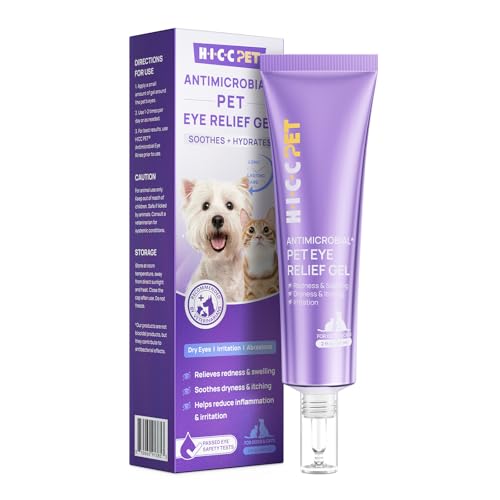
HICC PET Eye Gel is positioned as a daily care option for dogs and cats, offering a topical gel that can reduce irritation and moisturize dry eyes. The product emphasizes safe, natural anti-inflammatory ingredients and HOCl-based technology, aiming for longer-lasting effect and easier application compared with traditional eye drops or ointments. The gel is described as non-irritating with a formulation designed for delicate facial areas, making it suitable for pets of all ages. It is intended as a preventive and symptomatic care tool rather than a prescription treatment.
Key considerations
- Versatile use across species, including cats and dogs.
- Gel consistency may reduce drips and spillage.
- HOCl-based safety profile and no need for rinsing.
VetEye Cream Health

VetEye Cream Health targets common ocular conditions in a wide range of animals, including conjunctivitis, keratitis, pink eye, corneal ulcers, and blepharitis. It promotes ease of administration with a straightforward topical application 2–4 times daily. The product emphasizes safe use “as directed” and is designed for animals requiring non-prescription, supportive care. Users should monitor for changes in eye discharge, redness, or swelling and discontinue use if irritation occurs.
Key considerations
- Wide range of treatable conditions with topical use only.
- Read directions carefully to avoid overuse.
- Supports non-medicated symptomatic relief while awaiting veterinary guidance.
AudioMart Cats, Dogs Eye Cream

AudioMart’s Eye Cream for Cats, Dogs, and All Pets is a simple, non-medicated option intended for daily eye care. Its packaging highlights easy application without extra tools, making it appealing for quick routines. It is marketed as suitable for all ages and emphasizes gentle, convenient use. While not a treatment for specific diseases, it can support routine eye hygiene and comfort in daily pet care practice.
Key considerations
- Non-medicated, user-friendly formula.
- Suitable for routine care across multiple species.
- Aim for regular application rather than treatment of acute conditions.
TerraPet Pet Eye Cream

TerraPet Pet Eye Cream is described as a straightforward, easy-to-use option for dogs, cats, and other pets. The packaging highlights a simple application process and a single 3.5 g tube. The product’s guidance emphasizes following the user manual and directing use to avoid waste. This can be a practical choice for owners seeking a no-fuss routine with a focus on gentle administration around the eye area.
Key considerations
- Clear directions and simple application.
- One-tube format reduces clutter in care kits.
- Great for owners prioritizing ease and consistency.
Veterra Eye Health Cream
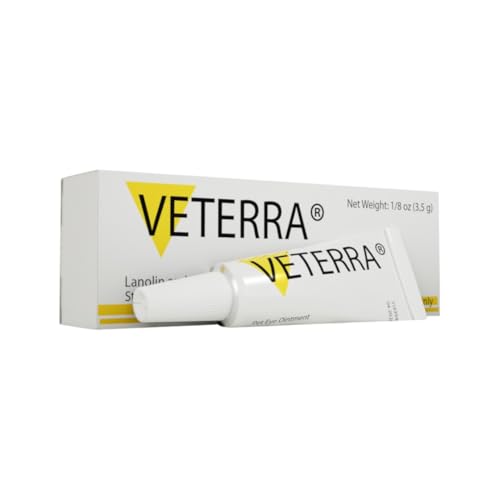
Veterra Eye Health Cream is marketed for animal use only and comes in a small 3.5 g tube. It’s described as suitable for animals of all ages and targets multiple ocular conditions, including conjunctivitis, keratitis, pink eye, corneal ulcers, and blepharitis. The application is uncomplicated, using a clean finger to apply 2–4 times daily as needed. The emphasis is on a simple, practical approach to eye care without requiring special tools.
Key considerations
- Broad condition coverage with non-prescription use.
- Versatile across species and ages, aligning with multi-pet households.
- Monitor for response and discontinue if irritation occurs.
Buying Guide: What To Consider When Choosing An Eye Cream For Cats
When selecting an eye cream for pets, consider these factors to balance safety, practicality, and efficacy. First, confirm animal-use labeling and confirm there are no active prescription requirements. Second, assess application ease: products that require no extra tools and feature a gentle texture are ideal for anxious or small pets. Third, identify the intended use: routine moisture and comfort vs. treatment of specific conditions like conjunctivitis or blepharitis. Fourth, check ingredient transparency: look for non-irritating, pet-safe formulations and natural anti-inflammatory components where possible. Fifth, ensure clear dosing guidance and a straightforward administration schedule. Finally, factor in age suitability and cross-species applicability if you share a home with multiple animals.
Context for decision-making includes evaluating personal comfort with applying eye care products, the frequency of application, and any prior veterinary recommendations. For pets with persistent redness, discharge, or vision changes, always consult a veterinarian. Eye health for animals can quickly escalate from minor irritation to serious conditions if not monitored. A safe, easy-to-use eye cream can be a helpful addition to daily care, as long as it’s used as directed and within a broader eye-health plan prescribed by a professional.
In summary, the five products highlighted here offer a mix of non-medicated daily care options and targeted supports for common eye conditions. Pet owners should weigh ease of use, safety labeling, and the specific needs of their companion animals to determine the best fit. Remember that regular observation and professional guidance are essential components of responsible eye care for cats and other pets.