Best Ducks for Eggs and Meat: Top Picks for Home and Farm Keeping
Discover top options for raising ducks that excel in egg production and meat quality. This guide highlights ducks, feeds, and practical accessories to support healthy flocks and productive harvests. The selections here cover breed considerations, nutrition, and smart storage solutions to help you maximize yolk color, egg yield, and meat texture.
| Product | Type | Key Benefit |
|---|---|---|
| Duck Breast | Meat | Quality meat; welfare standards |
| Manna Pro Duck Layer Pellet | Feed | Supports egg production and digestion |
| HavRixor Jumbo Duck Egg Cartons | Egg cartons | Bulk storage for large eggs |
| Sibosen 18 Pack Jumbo Duck Egg Cartons | Egg cartons | Eco-friendly, stackable packaging |
| Fresh Duck Egg Sticker | Carton labels | Professional branding and freshness reminder |
Duck Breast

Duck breast is a versatile meat option favored for flavor and texture. When selecting duck for meat production, consider welfare and feeding practices that influence tenderness and marbling. The featured item notes adherence to animal welfare standards, absence of added growth hormones or antibiotics, and a feed profile free of animal by-products. These factors collectively help ensure a high-quality meat product suitable for various preparations, from pan-seared breasts to slow-roasted entrees. For poultry keepers, pairing these considerations with clean housing, consistent nutrition, and clean water supports steady meat yield without compromising animal health.
Manna Pro Duck Layer Pellet
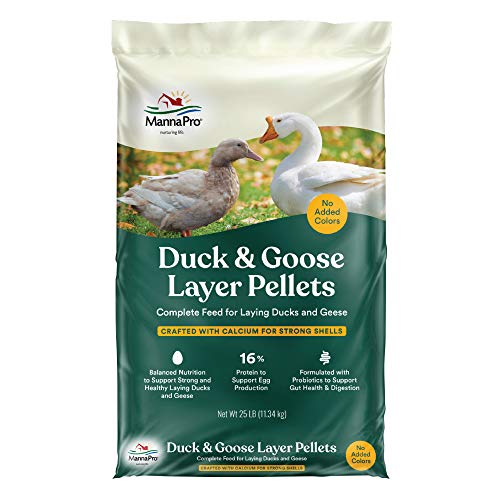
Egg production in ducks is closely tied to nutrition. The Manna Pro Duck Layer Pellet is designed to support increased egg production with high-quality proteins and probiotics for digestive health. This formulation emphasizes non-antibiotic, non-medicated ingredients, aligning with common farming practices focused on natural production cycles. Probiotics help maintain gut health, which can translate to consistent laying patterns and overall flock vitality. For duck keepers, complementary feeding strategies—such as access to grit, clean water, and balanced forage—can enhance the effectiveness of a layered diet aimed at higher egg output and healthy digestion during peak laying periods.
HavRixor Jumbo Duck Egg Cartons

Egg carton storage is a practical aspect of duck farming, especially when handling larger batches. HavRixor offers jumbo cartons designed to hold up to half-dozen eggs, with sturdy, natural pulp material that supports moisture management and protection during transport. The packaging is scalable for farm, market, or home use. Features such as easy stacking, countability, and a simple design for sealing ensure eggs remain organized and protected. For households or small farms that regularly harvest extra-large eggs, these cartons provide a reliable, affordable storage option that reduces breakage and simplifies inventory when you’re moving eggs to market or consumer tables.
Sibosen Jumbo Duck Egg Cartons

This carton option emphasizes versatile sizing and eco-friendly construction. The cartons accommodate up to six eggs and are designed to fit small through medium to large eggs, with a stackable half-dozen format ideal for orderly storage. Made from recyclable paper pulp, they offer moisture absorption and breathability to keep eggs dry and fresh. The secure flip-top design helps prevent dust and moisture intrusion while transporting eggs. For producers who value sustainability and efficient stacking, Sibosen cartons provide a practical solution to manage larger duck egg outputs without compromising product integrity.
Fresh Duck Egg Sticker

labeling eggs is an essential step for market readiness and consumer trust. The Fresh Duck Egg Sticker helps branding and communication with customers, indicating freshness and handling guidance. It serves as a practical reminder for buyers that duck eggs may require washing prior to use, reinforcing safe handling practices. Using professional stickers supports consistency across cartons, improves perceived value, and helps producers clearly convey key information at the point of sale or in farm-to-table settings. When combined with proper storage and cleanliness, these stickers contribute to a polished, dependable product presentation.
Buying Guide
When selecting ducks for eggs and meat, consider breed tendencies, climate suitability, and your management goals. Here are key purchase considerations and a balanced perspective:
- Egg production versus meat yield: Some duck strains excel at laying large, rich eggs, while others offer superior meat quality. If you want both, balance your flock with layers and dual-purpose breeds.
- Nutrition and welfare: For steady egg production and healthy meat, choose feeds without unnecessary additives. Probiotics and high-quality proteins support digestion and performance.
- Housing and welfare: Ducks need dry, secure living spaces with clean water for swimming and hygiene. Adequate space reduces disease risk and improves overall productivity.
- Egg handling and storage: Invest in appropriate egg cartons and labeling that protect eggs during transport and communicate freshness to buyers.
- Market considerations: If selling eggs, ensure carton labeling aligns with local regulations and consumer expectations. For meat, plan processing timelines to maintain meat quality and safety.
- Cost versus value: While premium feeds and durable cartons add upfront cost, they can reduce waste, protect product quality, and increase customer satisfaction over time.
In summary, a practical approach mixes high-quality feed, reliable egg storage solutions, and careful animal husbandry. By pairing well-managed nutrition with sturdy packaging and clear labeling, you can optimize both egg production and meat yield while maintaining animal welfare and consumer confidence.