Best Duckling Starter Feed for Healthy Growth
Choosing the right starter feed sets the foundation for strong, healthy ducklings. This guide compares five top options designed to support growth, digestion, and immune health in young ducks. Each product highlights non-medicated formulas, protein levels, and nutrient balance to help ducklings thrive from hatch to early maturity. Use the buying guide below to weigh nutrition profiles, feeding options, and suitability for home flocks.
| Product | Brand | Key Benefit |
|---|---|---|
| Manna Pro Duck Starter Grower Crumble | Manna Pro | Non-medicated, balanced nutrition with probiotics |
| Scratch and Peck Whole Grain Starter Mash | Scratch and Peck Feeds | 20.5% protein, organic, corn-free and soy-free |
| Scratch and Peck Feeds Whole Grain Starter Crumbles | Scratch and Peck Feeds | Corn-free, soy-free, 20.5% protein |
| Mile Four Organic Starter Chick Mash | Mile Four | 21% protein, organic, non-GMO, corn-free |
| Manna Pro Chick Starter Feed (Non-Medicated) | Manna Pro | Non-medicated, vitamins and minerals for early growth |
Manna Pro Duck Starter Grower Crumble

Manna Pro Duck Starter Grower Crumble is a non-medicated feed formulated to support ducklings from hatch through early growth. It provides a balanced mix of proteins, vitamins, and minerals designed to promote healthy digestion, muscle development, and strong bone formation. The formulation avoids antibiotics and uses a complete nutrition profile aimed at natural growth, making it suitable for backyard flocks seeking a straightforward starter option for ducks and other waterfowl.
Key features include non-medicated nutrition, probiotic support for gut health, and a protein level that aligns with typical duckling growth needs. This option is well-suited for duck owners who want a simple, reliable starter feed that emphasizes natural development without medicated additives.
Scratch and Peck Whole Grain Starter Mash

This 10 lb bag of Scratch and Peck Whole Grain Starter Mash is corn- and soy-free, designed for baby chicks and ducklings. With 20.5% protein, the mash supports muscle development and feather growth while avoiding common allergens. The organic and non-GMO certifications ensure a cleaner nutrition profile for flocks, and the flexible feeding options—serve dry or ferment—help reduce waste and balance intake as ducklings grow. The formula emphasizes wholesome grains and probiotics to aid digestion and overall health in the early weeks.
Scratch and Peck Feeds Whole Grain Starter Crumbles

Scratch and Peck Feeds Whole Grain Starter Crumbles offer a corn-free, soy-free starter option with 20.5% protein. This feed is suitable for both chicks and ducklings, supporting robust growth and feather development. Certified organic and Non-GMO Project Verified, it provides high-quality nutrition without fillers or medications. The blend is designed to promote steady growth, healthy bones, and vibrant plumage in young poultry, including ducklings approaching the first few weeks of life.
Mile Four Organic Starter Chick Mash
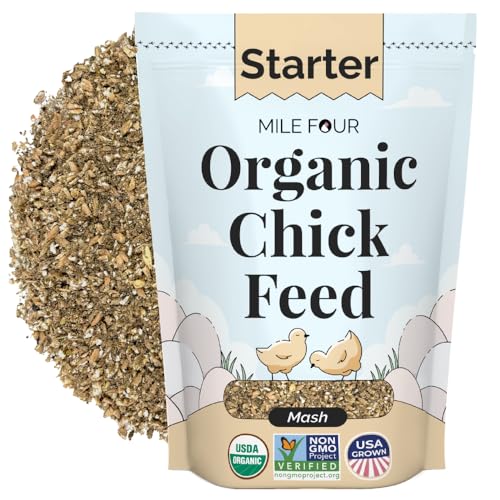
Mile Four Organic Starter Chick Mash is a non-GMO, USA-grown feed featuring 21% protein in a non-medicated formula. Corn-free and soy-free, this mash emphasizes organic grains milled on local U.S. farms to support strong growth and healthy bone and feather development. The organic certification and commitment to non-GMO ingredients offer a profile aligned with flock owners seeking natural nutrition pathways for ducklings and other poultry.
Manna Pro Chick Starter Feed (Non-Medicated)

Manna Pro Chick Starter Feed offers a non-medicated, comprehensive nutrition set for baby chicks and brooder stock. While marketed for chicks, this feed has a balanced vitamin and mineral profile that can support early growth in ducklings when used appropriately within a mixed-species starter plan. It emphasizes essential nutrients for bone development, immune support, and steady weight gain, without added medications or antibiotics.
Buying Guide: Key Purchase Considerations
When selecting a starter feed for ducklings, consider several factors that influence growth, health, and long-term productivity:
- Protein content: Ducklings typically benefit from higher protein during rapid growth phases. Look for feeds with 20%–22% protein for the first 6–8 weeks, then transition to lower protein as they approach pullet/adult stages.
- Medicated vs. non-medicated: Medicated feeds can help prevent coccidiosis in high-risk environments, but some keepers prefer non-medicated formulas for natural growth. Choose based on flock health, exposure risk, and veterinary guidance.
- Ingredient quality and sourcing: Organic, non-GMO, corn-free or soy-free options reduce potential allergens and support digestive comfort. Organic grains and probiotics can benefit gut health and growth.
- Digestive support: Probiotics and prebiotics help establish a healthy gut microbiome, essential for nutrient absorption in young birds.
- Feeding method: Mash, crumble, or crumble-mash formats affect feed intake and waste. Mash can be dryer; crumbles are easier for small beaks and can help reduce waste when fed dry or fermented.
- Flavors and herbs: Some formulations incorporate herbs or natural ingredients that may appeal to birds and support digestion, though effects vary by flock.
- Certifications: Organic, Non-GMO Project Verified, and antibiotic-free labeling provide reassurance about ingredient integrity and production practices.
- Environment and housing: Ensure clean water, clean brooders, and adequate space to prevent disease and encourage healthy growth.
- Species versatility: If you raise ducks with chicks or other poultry, select feeds labeled as suitable for both ducklings and chickens to simplify feeding regimes without compromising nutrition.
These considerations help balance growth, health, and management practicality. Always follow feeding guidelines on product packaging and consult a poultry nutritionist or veterinarian if you have specific flock health concerns or specialized dietary needs.