Best Dry Rock for Reef Tanks: Top Dry Rock Options for Healthy Coral Growth
Choosing the right dry rock is essential for building a stable, biologically active reef tank. Dry rock provides a clean, hitchhiker-free foundation, accelerates beneficial bacteria colonization, and offers flexible aquascaping. This guide highlights five solid dry-rock and rock-based options that work well in a variety of reef setups, from nano-tanks to larger systems. Each choice emphasizes porosity, stability, and compatibility with corals and other reef inhabitants.
Overview of selected products:
| Product | Brand | Key Benefit |
|---|---|---|
| YZHZOM Dry Base Rock | YZHZOM | High porosity and safe, eco-friendly dry rock with 2–6 inch pieces for easy scape |
| Hamiledyi Aquarium Holey Rock | Hamiledyi | Decorative, natural limestone with caves and hiding places for tanks |
| Carib Sea Life Rock Arches | Carib Sea | Four 12″ arches for caves and arches; porous for filtration |
| Carib Sea LifeRock Base Rock | Carib Sea | 40 lbs of natural aragonite rock; quick setup and coral attachment |
| Real Reef Original Rock | Real Reef | Eco-friendly, bio-active rock in mixed shapes for versatile layouts |
Dry Base Rock for Natural, Hitchhiker-Free Aquascapes

YZHZOM Dry Base Rock is a versatile option designed for aquascaping beginners and veterans alike. It’s mined rock intended for use as a dry base, with an emphasis on avoiding hitchhiking pests and ensuring a clean start for your tank’s bio-filter. The mix includes multiple sizes to build natural formations, while its porosity supports nitrifying and denitrifying bacteria to help maintain pristine water conditions. This option pairs well with coral frag setups, soft corals, and macroalgae, providing stable anchoring points without introducing unwanted organisms.
Holey Rock: Natural Limestone for Aquascapes

Hamiledyi Holey Rock provides a natural limestone decor option that adds texture and hiding places for in-tank inhabitants. The rocks are shipped in mixed shapes, arriving with approximate weights around 5.5 pounds per package. They are designed to be PH-neutral and stable in freshwater or saltwater environments, making them a safe choice for aquascaping while avoiding color fading. This rock format supports plant attachment, shrimp habitats, and small fish, and it blends well with dry rock bases to create layered, natural scenes.
Arches For Open Reef Layouts
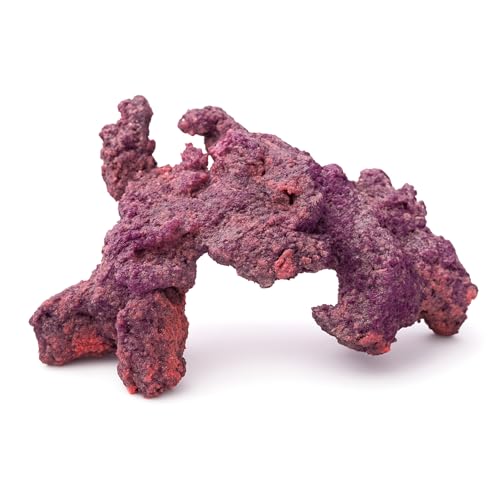
The CaribSea Life Rock Arches set is designed to create natural caves and arches that enhance both aesthetics and coral frag attachment opportunities. The four 12″ rocks are highly porous, supporting beneficial bacteria colonization and providing multiple microhabitats for fish and invertebrates. Their aragonite composition promotes chemical stability, buffering pH, and improves the overall health of reef environments. This option works well for dramatic centerpieces or layered reef staircases in medium to large tanks.
Shapes: Natural Aragonite Rock For Aquascaping

Carib Sea LifeRock Shapes delivers a 20-pound collection of natural aragonite rocks designed for flexible, creative layouts. The porous surface supports biological filtration, while the varied shapes help replicate natural reef formations. This option is suitable for mid-sized and larger tanks, aiming to reduce cycle time with existing biological enhancers and ammonia-reducing agents included in some LifeRock products. It provides a visually dynamic base for corals, fish, and invertebrates alike, enabling complex, multi-level reef scenes.
Base Rock For Stable Reef Foundations

Carib Sea Life Rock Base Rock presents a natural aragonite rock option designed to anchor larger scapes and support stable reef structures. The base rock is crafted to resemble real reef rock, offering a realistic foundation that facilitates coral frag attachment and aquascaping without heavy reliance on adhesives. Its porosity supports a thriving microfauna community, contributing to more robust biological filtration and a balanced aquarium environment.
Frag Zone For Coral Fragging And Stability

Carib Sea Aquatics Frag Zone is specifically designed for fragging corals, offering an ideal environment for attachment and new growth. The substrate supports coral stability and reef tank development while improving overall tank balance through enhanced biological filtration. This option complements other dry rock choices by providing a targeted area for healthy frag propagation and a consistent, thriving reef ecosystem.
Buying Guide: Dry Rock Purchase Considerations
When selecting dry rock for a reef tank, several factors influence long-term success. First, porosity matters: rocks with more pore space harbor beneficial bacteria that drive biological filtration and help stabilize ammonia, nitrites, and nitrates. Second, composition is important: aragonite-based rocks can buffer pH and provide calcium for coral growth, while limestone or other compositions may differ in buffering capacity. Third, hitchhiker risk should be minimized, so dry rock with no unwanted pests is desirable. Fourth, framing and size compatibility with your tank dimensions influence aquascape possibilities and maintenance access. Fifth, ease of maintenance, including cleaning and readiness for coral fragging, can streamline setup and ongoing care. Finally, consider whether you want a pre-scaped option (arches, caves, or frag zones) or a blank canvas to create a custom layout.
For buyers balancing aesthetics, biology, and functionality, a mix of dry base rock and feature rocks—such as arches or shapes—often yields a natural, stable reef. It’s common to pair dry rock with a bacterium-inoculated or bioactive base to speed up the cycling process and establish a thriving microbial community. When planning, measure tank dimensions, plan for future coral placements, and ensure compatibility with your filtration, lighting, and water-flow setup. Always follow manufacturer guidelines for curing, acclimation, and placement to minimize stress on new rock and tank inhabitants.
In summary, the dry-rock options above offer a spectrum of textures, sizes, and functional roles—from base rock foundations to decorative arches and coral-frag friendly zones. Whether you’re building a nano reef or a larger system, these choices help cultivate a robust, visually striking, and biologically balanced reef tank.