Best Dog Food for Skin Allergies and Sensitive Stomachs: Top Picks for 2026
Finding dog food that supports sensitive stomachs and promotes healthy skin can be challenging. The following selections focus on high-quality proteins, gentle digestibility, and skin-supporting nutrients. Each option below is designed to minimize irritation while supporting gut balance and a shiny coat. Use this guide to compare formulas and choose the right fit for your dog’s needs.
| Product | Brand | Key Benefit |
|---|---|---|
| Purina Pro Plan Sensitive Skin and Stomach Dry | Purina Pro Plan | Real salmon first ingredient; probiotics for digestion and immunity |
| VICTOR Sensitive Skin & Stomach Dry | VICTOR | Gluten-free grains; omega fats and probiotics for gut and coat |
| Hill’s Science Diet Sensitive Stomach & Skin Dry | Hill’s Science Diet | Balanced digestion; prebiotic fiber; omega-6 for skin |
| Purina ONE Natural Sensitive Stomach Dry | Purina ONE | Real salmon; skin & coat focus; antioxidant support |
| Purina Pro Plan Sensitive Skin and Stomach Dry 40 lb | Purina Pro Plan | High protein; omega-3s for joints; skin and coat health |
Purina Pro Plan Sensitive Skin and Stomach Dry, Salmon & Rice

Purina Pro Plan Sensitive Skin and Stomach Dry blends real salmon as the first ingredient to support lean muscles and a healthy coat, with an oat-based fiber system that is easy on sensitive digestive systems. The formula is fortified with guaranteed live probiotics to promote digestive and immune health, helping reduce occasional stomach upsets while supporting skin wellness through omega fatty acids. This option is a strong all-around pick for adult dogs with sensitivities.
VICTOR Sensitive Skin & Stomach — Salmon Meal & Brown Rice

VICTOR’s recipe centers on gluten-free grains and salmon meal as the primary protein, with omega-3 and omega-6 fatty acids plus vitamin E to nourish skin and coat. The product also includes prebiotics and probiotics to support gut health, which is essential for dogs with sensitive stomachs. The brand emphasizes transparency about protein sources and aims for lean muscle maintenance, making it suitable for dogs with allergen concerns.
Hill’s Science Diet Sensitive Stomach & Skin Dry, Chicken

Hill’s Science Diet Sensitive Stomach & Skin Dry is formulated for dogs with sensitive digestion and skin concerns. It features precise balances of highly digestible ingredients and prebiotic fiber to fuel beneficial gut bacteria. Omega-6 fatty acids and vitamin E support a healthy coat, while the chicken recipe provides a digestible protein source. This option is well-regarded for consistent digestive tolerance and skin support features.
Hill’s Science Diet Sensitive Stomach & Skin Dry (Small Breed)

This small-breed variant of Hill’s Science Diet maintains the same core benefits—precise balancing, digestible ingredients, and gut-supporting prebiotic fiber—while offering a formulation tailored to the smaller mouth and metabolism of toy and small dogs. Omega-6s and vitamin E contribute to a balanced coat, and the product tends to be well-tolerated in dogs with sensitive stomachs. It’s a practical option for smaller breeds prone to skin irritations.
Purina ONE Natural Sensitive Stomach Dry +Plus Skin & Coat
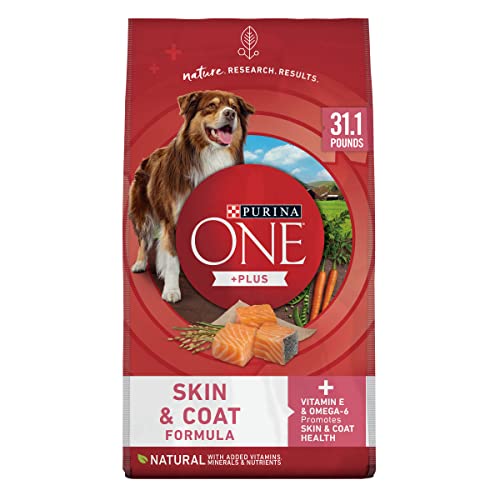
Purina ONE Natural Sensitive Stomach Dry with +Plus Skin & Coat focuses on real salmon as the primary protein source, which supports muscle health and heart function. The SmartBlend of high-quality ingredients, plus vitamin E and omega-6 fatty acids, is designed to promote a healthy coat and skin. The formula also includes antioxidant sources to support immune health and natural glucosamine for joint comfort, making it a well-rounded option for dogs with both digestive and dermatological needs.
Purina Pro Plan Sensitive Skin and Stomach Dry 40 lb

This larger-format option maintains the core benefits of Purina Pro Plan Sensitive Skin and Stomach with a high-protein profile and real salmon first ingredient. It includes fish oil for omega-3 fatty acids to support joints and skin health, plus sunflower oil for omega-6 fatty acids. The dry formula is complete and balanced for adult dogs, making it a favorable long-term staple for households that prefer bulk bags or have multiple dogs with similar needs.
Buying Guide: Key Purchase Considerations
When selecting dog food for skin allergies and sensitive stomachs, consider these factors to tailor the choice to your dog’s needs:
- Protein source: Choose single, high-quality animal proteins (like salmon or chicken) to minimize allergen exposure and support skin health.
- Digestibility: Look for formulas with easily digestible ingredients and added prebiotics or probiotics to promote gut balance.
- Fat content and fatty acids: Omega-3 and omega-6 fatty acids support skin and coat health; ensure the product includes a balanced mix to avoid over-fat supplementation.
- Fiber and gut health: Prebiotic fiber and probiotic strains can improve stool quality and digestive comfort in sensitive dogs.
- Dry vs wet: Dry food is convenient and long-lasting, while wet food can aid palatability and hydration for some dogs with sensitive stomachs. Consider mixing if needed.
- Size and life stage: Formulas labeled for adult dogs, or tailored to small or large breeds, can affect palatability and nutrient balance.
- Allergens and exclusions: If your dog has known allergies, verify that the formula is free from the offending ingredients and uses gluten-free grains if needed.
- Feeding transition: Introduce new foods gradually over 7–10 days to minimize the risk of digestive upset.
Comparative Look: How To Pick The Right Formula
For dogs with both skin and stomach sensitivities, prioritize a core set of features: high-quality protein as the first ingredient, a digestible carbohydrate source, and added nutrients that support skin health (omega fatty acids, vitamin E). If your dog has a history of digestive distress, prefer formulas with probiotics and prebiotic fibers for gut support. For dogs with known allergies, consider limited-ingredient or gluten-free grain options. Finally, observe your dog’s response over 6–8 weeks, taking note of coat condition, itchiness, stool consistency, and energy levels.
The five products highlighted here provide a range of protein sources, digestibility profiles, and skin-stability nutrients. Always consult with a veterinarian before making substantial dietary changes, especially if your dog has a history of dermatological or gastrointestinal conditions.