Best Coconut Oil for Horses to Support Coat, Skin and Overall Health
Coconut oil is a popular supplement for horses, valued for its fatty acids that may support a shiny coat, healthy skin, and energy. This guide highlights five coconut-oil products commonly used for equine welfare, covering internal nutrition, skin care, and easy-to-use carrier oils. Each option is evaluated for content, usability, and potential benefits for different horse needs.
| Product | Brand | Type | Main Benefit |
|---|---|---|---|
| SmartEquine CocoSoya Oil | SmartEquine | Oil (Soybean + Coconut) | Coat shine and overall skin health |
| Viva Naturals Organic Coconut Oil | Viva Naturals | Raw, unrefined coconut oil | Hair, skin hydration; versatile use |
| Handcraft Blends Fractionated Coconut Oil | Handcraft Blends | Fractionated coconut oil | Carrier oil for skin and hair; light feel |
| Amazon Grocery Organic Virgin Coconut Oil (30 oz) | Amazon Grocery | Naturally unrefined virgin oil | General nutrition and skin health |
| SmartEquine CocoSun Oil Omega Horse Supplement | SmartEquine | Omega-rich supplement oil | Shiny coat; healthy skin; weight support |
SmartEquine CocoSoya Oil For Coat And Skin

SmartEquine CocoSoya Oil blends soybean and coconut oils to deliver essential fatty acids, including omega-3, -6, and -9. It is designed to support overall coat health and healthy skin from the inside out, contributing to a lustrous appearance. The formula targets both coat shine and dermatological comfort, making it suitable for horses needing more balanced fatty-acid nutrition.
Viva Naturals Organic Coconut Oil
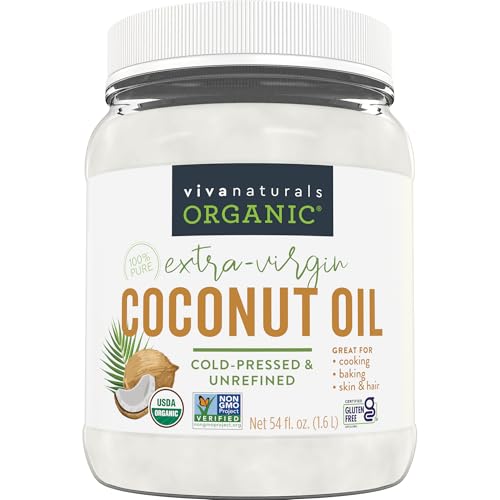
Viva Naturals offers an unrefined, cold-pressed extra virgin coconut oil, USDA Organic and Non-GMO. While popular for human use, the same oil is often used topically to hydrate skin and hair, and internally for energy and coat support when used with horses. Its high-quality processing preserves natural fatty acids that can contribute to overall hydration of the coat and skin condition.
Handcraft Blends Fractionated Coconut Oil

Fractionated coconut oil is a lightweight carrier oil often used for skin and hair care. This product is 100% pure and fragrance-free, hexane-free, preservative-free, and vegan. It is popular as a base for skin moisturizers and massages, and can be used to deliver other essential oils safely to a horse’s skin without a heavy occlusive feel.
Amazon Grocery Organic Virgin Coconut Oil

This organic virgin coconut oil from Amazon Grocery offers a straightforward, unrefined option. It is USDA Organic and suitable for general nutritional supplementation. For horses, it can contribute to skin hydration and coat health when included as part of a balanced diet and topically as a conditioning aid.
SmartEquine CocoSun Oil Omega Horse Supplement
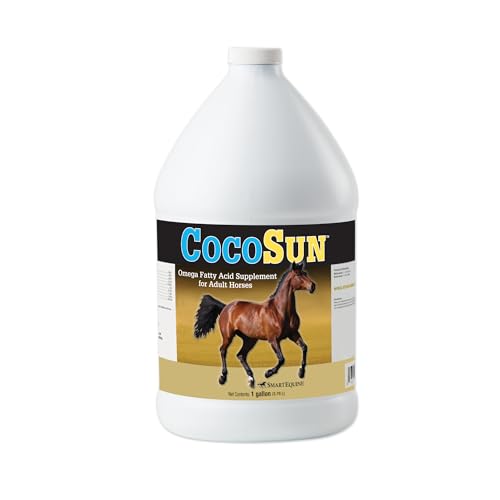
SmartEquine CocoSun Oil combines omega-3, -6, and -9 fatty acids to promote a shiny coat and healthy skin, with coconut and sunflower oil providing natural vitamin E. It also supports weight management through a palatable, cool-calorie energy source, making it a practical option for horses needing skin and coat benefits alongside energy support.
Buying Guide: Key Purchase Considerations
- Purpose and usage: Choose an internal oil for coat health and skin, a pure virgin oil for topical hydration, or a specialized omega oil for comprehensive fatty-acid support.
- Fatty-acid profile: Look for sources that provide balanced omega-3, -6, and -9 fatty acids. Fractionated oils offer light texture for topical use, while virgin and unrefined oils deliver a broader fatty-acid spectrum.
- Purity and processing: USDA Organic, cold-pressed, unrefined options generally preserve nutrients better. Check for additives such as preservatives or fragrances that may irritate sensitive horses.
- Compatibility with feeding: Internal oils should be incorporated gradually to monitor digestion and energy level changes. Consult with a veterinarian if there are digestive concerns or dietary restrictions.
- Usage scenarios: For dull coats or dry skin, topical application or conditioner-style use can complement dietary supplementation. For aging or sensitive horses, omega-rich formulas may offer broader joint and immune support alongside skin benefits.
- Storage and safety: Keep oils in a cool, dark place. Use clean scoops and containers to prevent contamination and maintain product integrity.
Note: The products listed above are presented with their intended primary uses and ingredient profiles. Always follow manufacturer guidelines and consult a veterinarian before adding a new supplement to a horse’s regimen.