Best Cat Odor Solutions for Foul-Smelling Poop
Cats can produce odors that linger in litter boxes and homes. This article highlights five products that address foul-smelling stools and related litter odors, combining odor control, digestion support, and convenient disposal. Each item is selected to help reduce strong scents and improve litter box cleanliness for American households.
| Product | Focus | Why It Helps |
|---|---|---|
| WORLD’S BEST CAT LITTER Boosters Poop Fighter | Odor Elimination | Natural deodorizing formula targets poop, urine, and ammonia odors |
| Hill’s Science Diet Indoor Kitten Dry Food | Digestive Health | Natural fibers and DHA support digestion and box upkeep |
| Nutro Wholesome Essentials Chicken Dry Cat Food | Digestive Support | Real protein and prebiotic fiber for healthy digestion |
| Nutro Wholesome Essentials Salmon Dry Cat Food | Digestive Health | Real salmon and fiber for digestive comfort |
| Fancy Feast Wet Cat Food Variety Pack | Palatability And Hydration | Complete nutrition with moisture content for hydration |
WORLD’S BEST CAT LITTER Boosters Poop Fighter

World’s Best Cat Litter Boosters Poop Fighter is a natural litter additive designed to suppress odors at the source. By sprinkling the product onto your usual litter, you can reduce the scent of feces, urine, and ammonia. The formulation uses whole-kernel corn and plant-based ingredients, aligning with sustainable littering practices. A lemongrass scent comes from botanical extracts, offering a light, natural fragrance without heavy artificial perfumes. This option is suitable for households seeking an additive that complements existing litter while addressing poop-related odors.
Purina Fancy Feast Wet Cat Food Variety Pack

The Fancy Feast Wet Cat Food Variety Pack features White Meat Chicken Florentine, Tuscany, and Primavera recipes. While primarily a palatable option, wet food increases moisture intake, which can support digestion and stool consistency. A balanced mix of textures and flavors may improve overall gut health when aligned with a cat’s dietary needs. The pack is convenient for households that want variety while maintaining nutritional balance for adult cats.
Hill’s Science Diet Indoor Kitten Dry Food

This dry cat food is designed for indoor cats and kittens, emphasizing natural fibers to promote healthy digestion and easier litter box maintenance. DHA from fish oil supports brain and eye development, while high-quality protein fuels growing muscles and active play. Improved digestion can help reduce odor generation in the stool, contributing to a cleaner litter environment even in households with kittens or young cats.
Royal Canin Feline Care Hairball Care Dry Food
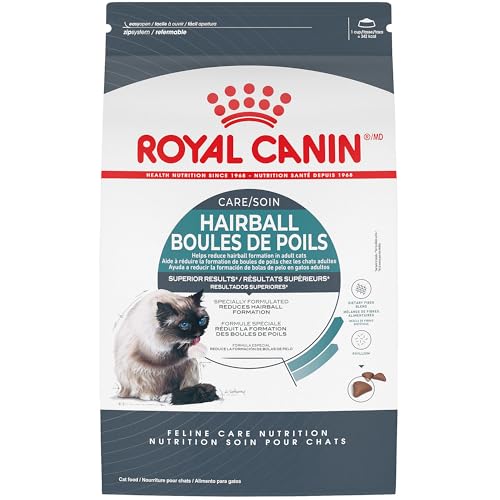
Royal Canin Hairball Care focuses on managing hairball formation, a common contributor to digestive discomfort in many cats. Its specific fiber blend supports hair passage through the GI tract, which can help maintain regular stool and reduce odors associated with irregular digestion. This product is suited for cats prone to hairballs or those needing targeted fiber support in their daily diet.
Nutro Wholesome Essentials Chicken Dry Cat Food

Nutro Wholesome Essentials Chicken Dry Cat Food centers on real chicken as the #1 ingredient, delivering high-quality protein essential for muscle maintenance and energy. The formula includes natural prebiotic fiber to support digestion, which can translate to more formed stools and less stool odor. This option is appropriate for cats needing a balanced, straightforward dry food with a digestible fiber profile.
Buying Guide: Key Purchase Considerations And Comparisons
When evaluating products to reduce foul-smelling cat stools, consider the following factors:
- Odor control strategy: Additives like Poop Fighter target odors at the litter level, while diet changes influence stool odor by digestion. A combination can be effective for persistent smells.
- Digestive health: Foods with natural fibers, prebiotics, and high-quality proteins support digestion and stool consistency, which can reduce odor.
- Moisture and hydration: Wet foods increase water intake, potentially softening stools; balanced moisture can influence odor and litter box cleanliness.
- Allergies and sensitivities: Introduce new foods gradually to monitor for GI upset or sensitivities. Look for easily digestible ingredients.
- Diet variety vs. consistency: Variety can boost appetite but may affect stool consistency. For odor control, maintain a stable feeding routine.
- Litter compatibility: Additives should be compatible with your current litter type to avoid clumping issues or reduced effectiveness.
- Environmental and sustainability considerations: Plant-based ingredients and natural extracts can appeal to eco-conscious households and reduce artificial fragrances.
- Cost and availability: Consider long-term affordability and easy access to restock when choosing a regimen for odor management.
Practical approach: start with a targeted odor-control additive, and pair it with a digestion-supporting diet. Monitor stool odor, consistency, and litter box cleanliness over several weeks to assess effectiveness. If odors persist, consult a veterinarian to rule out underlying health issues that may affect waste odor and cat behavior.