Best Cat Foods and Supplements for Cats With Blood Stool and Digestive Concerns
When a cat presents with blood in the stool, owners should focus on nutrition that supports digestion, stool quality, and overall gut health. This article reviews five carefully selected products that address digestive comfort, stool regularity, and gut integrity. Each option comes from reputable brands and highlights key features that may help manage digestive issues in cats. Always consult a veterinarian for persistent symptoms or if blood in the stool continues.
| Product | Brand | Type | Notes |
|---|---|---|---|
| Blue Buffalo True Solutions Digestive Care Dry Cat Food | Blue Buffalo | Dry Food | Digestive care formula with prebiotic fiber |
| Wellix Pumpkin Powder | Wellix | Fiber Supplement | Powdered pumpkin for digestion support |
| TIKI PETS Born Carnivore Indoor Health Chicken & Turkey | TIKI PETS | Dry Food | High protein, indoor health nutrients |
| Hill’s Prescription Diet m/d GlucoSupport Dry Cat Food | HILL’S PRESCRIPTION DIET | Veterinary Diet Dry Food | Glucose and weight management for diabetics |
| Purina ONE Sensitive Stomach Dry Cat Food | Purina ONE | Dry Food | Sensitive stomach formulation with prebiotic fiber |
Below are five hand-picked products aligned with digestive comfort and stool quality. Each section includes an accessible link to the product on Amazon, an image, and a concise overview of its features.
Blue Buffalo True Solutions Digestive Care Dry Cat Food

Digestive Care Formula helps maintain stool quality and digestive health with clinically proven prebiotic fiber. Formulated by veterinarians and animal nutritionists, this high-protein option uses real chicken as the first ingredient. It aims to support digestion while delivering essential nutrients for overall feline health.
Blue Buffalo True Solutions Digestive Care Wet Cat Food
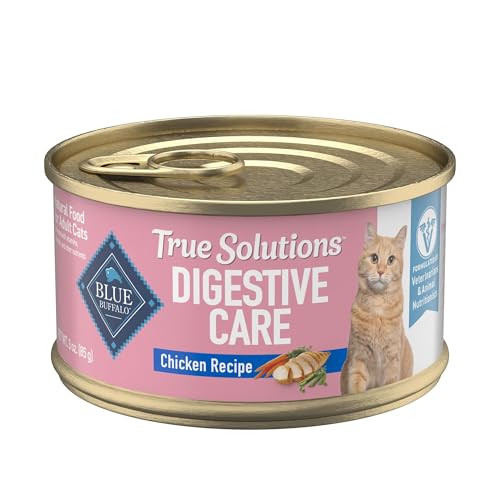
Real chicken first, with digestive care features and prebiotic fiber to support stool quality. This wet option improves daily hydration and provides a palatable alternative for cats who benefit from extra moisture in their diet.
TIKI PETS Born Carnivore Indoor Health Dry Cat Food

This grain-free, high-protein formula emphasizes ingredients like chicken and turkey to support indoor health. A balanced macro profile can aid digestion and overall gut function, potentially helping cats prone to digestive discomfort.
Hill’s Prescription Diet m/d GlucoSupport Dry Cat Food

Specially formulated by nutritionists and veterinarians to support glucose management and weight control in diabetic cats. Its nutrient balance focuses on high protein and optimized carbohydrates to assist in maintaining stable blood sugar levels, which can influence gut health and stool quality.
Purina ONE Sensitive Stomach Dry Cat Food

Designed for cats with sensitive systems, this formula uses easily digestible proteins and added prebiotic fiber. The crunchy texture supports dental health while aiding gentle digestion and reduced stool irregularities in some cats.
Buying Guide: Key Considerations For Cats With Digestive Concerns
- Digestive support features: Look for prebiotic fibers, soluble fibers, and probiotics that can help balance gut flora and improve stool quality.
- Protein quality and source: Real meat (e.g., chicken or turkey) as the first ingredient supports lean muscle and satiety, which can influence digestion.
- Diet type and texture: Dry, wet, or combination feeding can affect hydration and stool consistency. Wet foods increase moisture intake, which often helps digestion.
- Medical vs. non-prescription options: Veterinary diets like Hill’s m/d are designed for specific conditions (e.g., diabetes) and should be used under veterinary guidance, especially if blood in stool is present.
- Allergies and sensitivities: Grain-free or limited-ingredient formulas may benefit cats with food sensitivities that affect digestion.
- Hydration: Adequate water intake supports stool regularity. Consider adding water-rich wet food or fresh water daily.
- Vet consultation: Persistent blood in stool warrants veterinary evaluation to rule out infections, parasites, inflammatory bowel disease, or other conditions.
- Transition strategy: When changing diets, do so gradually over 7–10 days to minimize digestive upset and monitor stool changes.
- Consistency and monitoring: Track stool quality, color, frequency, and any changes in appetite or energy to share with your veterinarian.
For owners dealing with blood in stools, a comprehensive approach combining diet, hydration, and veterinary oversight is essential. The selected products above emphasize digestive comfort and stool quality while offering options across dry and wet varieties, as well as supplemental fiber support. Always consult a veterinarian before making significant changes to a cat’s diet, especially when clinical signs like blood in the stool are present.