Best Bean Bags for Cameras: Stable, Portable Supports for Photos and Videos
Whether you’re shooting street photography, wildlife, or low-light video, bean bags offer a flexible alternative to tripods. They’re quick to deploy, work on uneven surfaces, and can stabilize cameras, lenses, and lighting gear without bulky equipment. This guide highlights five top bean bag options designed for American photographers and videographers who value stability, portability, and versatility in the field. Each product is evaluated on setup speed, load capacity, and adaptability to various shooting scenarios.
| Product | Brand | Core Benefit |
|---|---|---|
| TBag Tripod Bean Bag | TADASHI FISHEYE FILTERS | Fast setup, angle control, travel-friendly |
| NEEWER Sandbag | NEEWER | Versatile lens and light stand support |
| CHASING BIRDS Camouflage Lens Pillow | CHASING BIRDS | Camouflage, waterproof, unfilled for custom fill |
| Rolanpro Lens Window Pillow | Rolanpro | Opening for quick loading and lens access |
| Grizzly Camera Bean Bag | Wild Grizzly | Sturdy fill-ready design for rugged use |
TBag Tripod Bean Bag — Portable Stabilizer

The TBag Tripod Bean Bag serves as a compact stabilization tool for cameras, smartphones, flashes, and accessories. Its quick setup design lets you place a device on top, adjust the angle, and shoot within seconds—ideal for fast-paced environments like street photography or travel. The bag’s lightweight yet sturdy build supports creative low-angle shots and performs well on uneven surfaces, especially when traditional tripods won’t fit. It acts as a portable tripod alternative, reducing the burden of bulky gear while maintaining stable image quality.
NEEWER Sandbag For Photography

The NEEWER sandbag is a versatile, heavy-duty option for stabilizing cameras, lenses, and lighting gear. It can be filled with sand, beads, buckwheat, or other stabilizers and used as a saddlebag to support lenses or act as a weight bag for tripods, light stands, or boom arms. Special side straps help secure the bag to car windows or tripod legs, enhancing stability in strong winds or outdoor settings. This bag’s multi-use design makes it a practical addition for on-the-go shoots, camping, or studio setups that require quick, reliable ballast.
CHASING BIRDS Camouflage Waterproof Bean Bag

This camouflage lens pillow is designed to be unfilled, offering waterproof materials and durable construction for outdoor use. It can be filled with beans, rice, corn, or even mixed bird foods to attract wildlife while serving as a stable support for lenses and cameras. The concealed zipper helps prevent accidental opening, contributing to field reliability in varied weather conditions. Ideal for wildlife shooting or landscape setups where discreet, rugged stabilization is needed.
Rolanpro Lens Window Pillow
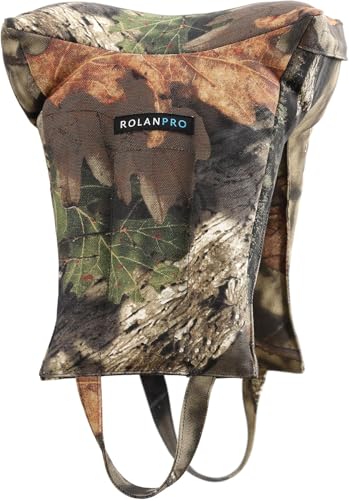
This empty bean bag features a window opening for fast self-loading and lens access. Its design supports aerial photogrammetry and telephoto setups by providing a stable base that conforms to window sills, car interiors, or other constrained surfaces. The open, zipper-based loading makes it straightforward to equip with your preferred fill material, allowing photographers to tune weight for precise balance without removing gear.
Grizzly Camera Bean Bag

The Grizzly Camera Bean Bag is a rugged, ready-to-fill option designed to deliver rock-solid support across photography and video tasks. It emphasizes heavy stitching and durability, with dimensions suitable for mounting on tripods, birding setups, or field tables. Sold empty to allow users to choose their preferred fill material, it’s built for photographers who want a sturdy, long-lasting stabilization solution in outdoor environments.
Buying Guide: Key Considerations And Comparisons
- Fill Material And Weight: Choose a bag you can fill with sand, buckwheat, rice, or other stable materials. Heavier fills provide better stability for heavier cameras, while lighter fills improve portability.
- Load Capacity: Consider the size of your camera body, lens, and any accessories. Larger lenses or telephotos may require bigger bags or additional weight to prevent tipping.
- Flexibility On The Go: For travel and street shoots, prioritize compact, quick-setup designs that can adapt to uneven surfaces or car interiors. Lightweight options reduce fatigue during long shoots.
- Surface Compatibility: Some bags excel on windows, car door frames, or ground surfaces. If you shoot wildlife or landscapes, a bag that conforms to irregular surfaces is advantageous.
- Durability And Weather Resistance: Waterproof or water-resistant fabrics help in rainy or misty environments. Look for reinforced stitching and high-quality zippers for field reliability.
- Ease Of Loading: Unfilled bags with simple loading mechanisms save setup time. Zipper access and clear loading guides can improve field efficiency.
- Portability Vs. Capacity: Balance the need for a compact footprint with the bag’s ability to hold enough material for stable support in your typical shooting conditions.
- Compatibility With Other Gear: Ensure the bag accommodates your camera, lens, and any accessories like flashes or small tripods, especially if you alternate between setups.
- Price And Longevity: Consider cost against durability. A sturdier, longer-lasting bag may offer better long-term value for frequent shooters.
- Use Case Scenarios: Decide whether you need a quick-stabilizer for urban shoots, a rugged field solution for outdoor adventures, or a versatile tool for multi-environment setups.