Best Anti-Pecking Sprays for Chickens to Protect Flocks
Pecking aggression and skin injuries can disrupt flock health and egg production. Anti-pecking sprays offer a first-aid option to calm irritations, deter further pecking, and promote rapid healing. This guide reviews five effective poultry wound sprays, highlighting how they work, what makes them stand out, and how to apply them safely in a backyard coop.
| Product | Brand | Key Benefit |
|---|---|---|
| Durvet No Pick’n For Chickens | Durvet | Reduces picking and cannibalism; includes Tea Tree Oil and Hemp Seed Oil |
| Vetericyn Plus Poultry Care Spray | Vetericyn | Healing aid and skin repair for wounds and pecking injuries |
| PetSilver Chicken Wound Spray | PetSilver | Natural silver solution; broad wound care and barrier protection |
| SILVER GRADE Wound Spray | SILVER GRADE | Colloidal silver-based, antibiotic-free wound care |
| Lemant Poultry Care Spray (8.5 oz) | Lemant | Daily skin support; safe for pecking irritation and minor wounds |
When selecting an anti-pecking spray, owners should consider the type of wound, safety for laying hens, ease of application, and potential residues. The following five products are tailored to common backyard flock needs, offering a mix of antiseptic, soothing, and protective properties to help prevent escalation of pecking injuries while supporting natural healing.
Durvet No Pick’n For Chickens
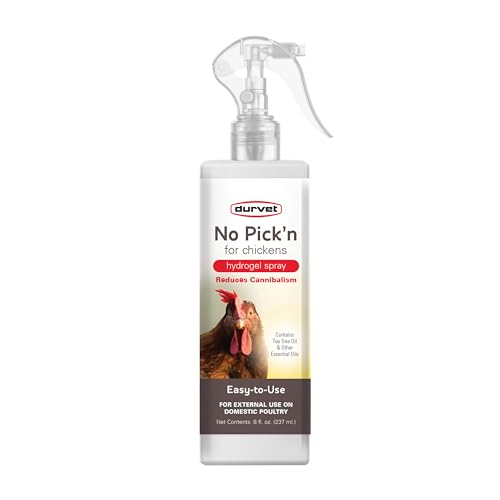
Durvet No Pick’n is designed to reduce feather pecking and cannibalism in flocks. Its formula combines essential oils, including Tea Tree Oil and Hemp Seed Oil, to create a soothing barrier that discourages further pecking. The product is suitable for routine use in coops where pecking incidents occur, helping to calm aggressive behaviors while supporting skin healing on minor wounds. Application guidance emphasizes gentle, even coverage to the affected areas, with attention to maintained cleanliness in the coop to foster quicker recovery. The combination of essential oils aims to provide both antimicrobial benefits and a calming effect for stressed birds.
Vetericyn Plus Poultry Care Spray

Vetericyn Plus Poultry Care Spray is a healing aid and skin repair solution for a wide range of chicken wounds, including pecking sores, vent injuries, and bumblefoot. It’s labeled as antibiotic-free and non-toxic, designed to be safe for daily use with no egg withdrawal period. The spray is suitable for first-aid care in the coop, offering rapid gel-like coverage that forms a protective layer while promoting natural healing. For best results, apply several times daily to the affected area, ensuring even distribution on the skin without interfering with normal feeding or grooming routines.
PetSilver Chicken Wound Spray

PetSilver Chicken Wound Spray uses a patented silver solution to soothe and protect wounds from pecking sores, bumblefoot, cuts, and skin irritations. The natural formula is gentle on skin and feathers, and safe for birds to peck and lick after application. The spray can be applied from up to six feet away, enabling quick treatment without stressing the flock. Silver is known for its antiseptic properties and protective barrier formation, making this product a practical addition to any first-aid kit for backyard flocks seeking effective, chemical-free wound care.
SILVER GRADE Wound Spray

The SILVER GRADE Wound Spray offers a rinse-free, antibiotic-free approach using Colloidal Nano Silver (50 PPM) in deionized water. This spray is designed to soothe pecking sores, minor wounds, and skin irritations while providing a protective layer to prevent infection. It’s positioned as a gentle option suitable for daily use and for areas that birds frequently peck, such as the head, beak, feet, and wings. Shake well before use to ensure consistent particle dispersion and maximize healing potential without harsh additives.
Lemant Poultry Care Spray

Lemant Poultry Care Spray provides daily skin support for flocks, focusing on non-stinging relief for pecking irritations, bumblefoot care, vent-area comfort, and minor wounds. The formula is described as antibiotic- and steroid-free, aligning with responsible poultry care practices for backyard flocks. It’s marketed as safe for recurring use and suitable during molting and feather regrowth, offering ongoing skin care without disrupting laying cycles. This makes it a practical staple for routine poultry wellness kits.
Buying Guide: Key Purchase Considerations
- Active ingredients: Consider whether you want a soothing, natural-scented blend (like essential oils) or a silver-based antiseptic that offers a physical protective barrier.
- Safety for layers: If your flock includes laying hens, verify that the product has no egg withdrawal or harmful residues.
- Wound scope: Some products are best for superficial pecking sores, while others address deeper wounds like vent injuries or bumblefoot. Match the product to the most common issues you observe.
- Application method: Sprays allow quick coverage and less stress during treatment; gels or creams may stay on longer but can be messier in a coop.
- Care routine integration: Consider how the product fits with your daily coop maintenance and whether it can be used alongside other first-aid items without interference.
- Allergen and fragrance considerations: If birds exhibit sensitivity, choose fragrance-free or hypoallergenic options and test on a small area first.
- Storage and shelf life: Check storage requirements and expiration dates to ensure effectiveness in fluctuating coop temperatures and humidity.
Effective use involves prompt treatment of wounds, consistent monitoring of the flock, and maintaining clean coops to minimize infection risk. For best outcomes, combine wound care sprays with behavioral management strategies to reduce stress and pecking triggers, such as adequate feeder space, enrichment, and consistent lighting schedules. When in doubt, consult a poultry health professional before applying any product to a stubborn or severely infected area.