Best Antifungal Dog Treatments: Top Wipes, Shampoos and Sprays for 2026
Finding effective antifungal options for pets can be challenging, especially when skin infections mix with irritation and environmental triggers. The following selections focus on veterinary-grade or clinician-endorsed formulations designed to support healthy skin, reduce yeast or fungal counts, and soothe affected areas. This article reviews five relevant products, outlining usage notes, active ingredients, and what makes each option suitable for dogs and, in some cases, cats as well.
| Product | Key Benefit | Type |
|---|---|---|
| Smiling Paws Pets Antibacterial & Antifungal Wipes | Chlorhexidine and Ketoconazole for on-the-go infection control | Medicated Wipes |
| Douxo S3 Pyo Mousse | Ophytrium and chlorhexidine for barrier support and antiseptic action | Topical Mousse |
| Douxo S3 Pyo Pads | Hydration and disinfection in a convenient pad form | Topical Pads |
| Douxo S3 Pyo Shampoo | Comprehensive skin cleansing with antiseptic ingredients | Shampoo |
| Veterinary Formula Clinical Care Antiparasitic & Antiseborrheic Shampoo | Hydrating, antifungal-focused cleansing for dogs | Shampoo |
Smiling Paws Pets Antibacterial & Antifungal Wipes

These medicated wipes combine ketoconazole and chlorhexidine to address fungal and bacterial skin infections in dogs and cats. They are designed for use on hotspots, mange-prone areas, ringworm, and pyoderma. The wipes are sized for easy access to paws and other crevices, with soothing aloe and fatty acids to support healing in inflamed skin. Suitable for quick spot treatments and ongoing maintenance between baths.
Douxo S3 Pyo Mousse
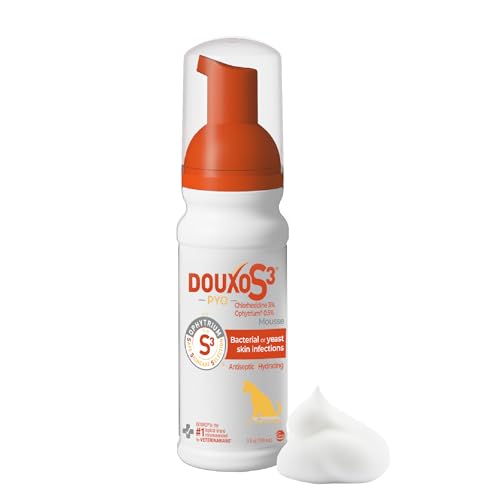
Douxo S3 Pyo Mousse is a veterinarian-recommended topical treatment featuring 3% chlorhexidine and 0.5% ophytrium. It helps manage bacterial and yeast skin infections while supporting the skin’s natural barrier. The mousse format allows targeted application on irritated areas, folds, and moist regions without the need for rinsing. It is free from soaps, sulfates, parabens, dyes, and nanoparticles, making it a gentle option for repeated use under veterinary guidance.
Douxo S3 Pyo Pads

These antiseptic pads combine 3% chlorhexidine and 0.5% ophytrium to disinfect and hydrate areas affected by bacterial or yeast infections. The pads are convenient for quick cleaning of problem zones and are formulated to support the skin’s ecosystem while soothing irritation. They are suitable for both dogs and cats, though always follow container directions and consult a vet for persistent skin issues.
Douxo S3 Pyo Shampoo

The Douxo S3 Pyo Shampoo combines chlorhexidine with ophytrium in a cleansing formula designed to address bacterial and yeast infections. Regular use can help manage flares and reduce debris from the coat while supporting the skin’s barrier. This shampoo is non-prescription and is specifically recommended by veterinarians for dogs with inflammatory dermatological concerns, including dermatitis and yeast-related irritation.
Veterinary Formula Clinical Care Antiparasitic & Antiseborrheic Shampoo

This shampoo emphasizes hydration and antifungal activity with a gentle, paraben-free, dye-free, and soap-free formula. It is designed to promote a healthy coat and skin while managing fungal and yeast-related issues. A recommended routine involves washing and soaking the coat for 10-15 minutes, then repeated use a few times per week as advised by a veterinary professional.
Buying Guide
Active ingredients and infection focus
Key antifungal and antiseptic agents include ketoconazole and chlorhexidine, which combat fungal organisms and bacteria commonly implicated in pet skin infections. Look for products that also support the skin barrier, such as ophytrium or soothing aloe, to improve comfort and recovery between treatments.
Form and ease of use
Topical formats range from wipes and pads to mousses and shampoos. Wipes offer quick, on-the-go treatment for hotspots, while mousses and shampoos enable thorough cleansing and longer-contact activity. Pads are convenient for targeted areas, especially for pets that resist full-body application.
Safety and suitability
Consider species and coat type. Some products are marketed for both dogs and cats, but never apply a product not intended for a specific species or that requires veterinary supervision without consulting a professional first. Paraben- and dye-free formulations may reduce irritation during ongoing treatments.
Usage frequency and vet guidance
Follow label directions and consult a veterinarian for persistent or worsening symptoms, such as continued redness, swelling, or hair loss. Regular use, especially for chronic yeast or fungal issues, should be reviewed by a clinician to avoid masking underlying conditions or causing resistance.
All-in-one versus targeted care
All-in-one cleansers and medicated shampoos simplify routines, but targeted options like wipes or pads can provide efficient maintenance between baths. A combination approach—regular cleansing with a medicated product and spot treatments for hotspots—often yields the best outcomes for multifactorial skin conditions.
In selecting an antifungal or antifungal-support product for a dog, the condition’s severity, the pet’s tolerance, and veterinary recommendations should guide the choice. The products listed here reflect commonly used options with documented antiseptic and antimicrobial activity, designed to support skin health while addressing infection-related discomfort.