Best Algaecide for Aquarium: Top Picks for Clearer, Healthier Water
Aquarium algae can cloud water, reduce oxygen, and obscure favorite fish. The following selection focuses on algaecides that are widely used by hobbyists to control various algae types in freshwater and saltwater tanks. This guide highlights five products with stated effects, safety notes, and practical usage tips to help you choose the right solution for your setup.
| Product | Brand |
|---|---|
| MICROBE-LIFT ALGAA08 ALGAWAY 5.4 | MICROBE-LIFT |
| EasyCare FounTec Algaecide | EasyCare |
| CrystalClear Algae D-Solv | CrystalClear |
| Cutrine-Plus Liquid Algaecide | APPLIED BIOCHEMISTS |
| Fountain Algaecide and Clarifier 8oz | Sanco Industries |
Note: Many products listed target pond and fountain environments; always check label recommendations for aquarium use and fish safety before applying in a tank. This overview presents objective features and common considerations to guide your decision.
MICROBE-LIFT ALGAA08 ALGAWAY 5.4 Algae Control

Application targets unsightly algae growth in fresh and saltwater aquariums, promoting a healthier environment and reducing maintenance. It helps eliminate green water and controls string and hair algae, supporting clearer water and easier viewing of aquatic life. Users report improved water clarity and a more balanced tank ecosystem when used as directed. The product emphasizes maintaining a healthy environment for fish and plants by addressing excessive algae that can impact oxygen levels.
Key considerations: follow dosage instructions carefully, monitor water parameters after treatment, and avoid overdosing. This product is positioned as a comprehensive solution for aquariums with persistent algae issues, offering rapid impact on visible algae while aiming to preserve overall water quality.
EasyCare FounTec Algaecide and Clarifier, 8 oz

FounTec Algaecide and Clarifier is described as safe for plants, birds, and wildlife, but not safe for fish. This distinction is important for aquariums housing fish since it indicates limited applicability in typical fish tanks. The product is marketed to clear pond and fountain water and to reduce algae-related odors while improving clarity. Its suitability for aquariums without fish protection guidance suggests caution for standard freshwater or reef tanks with fish and invertebrates.
Considerations: verify compatibility with your tank inhabitants, and follow label directions precisely. If fish safety is a priority, seek algaecides explicitly labeled for aquarium use with fish-safe certifications or seek alternative methods such as mechanical filtration and controlled light exposure in addition to chemical controls.
CrystalClear Algae D-Solv Pond Algae Control

The D-Solv product is EPA-registered and positioned as fast-acting, with broad-spectrum activity against green water, string or hair algae, and blanketweed. It is designed for ponds and outdoor water features containing koi and other fish, emphasizing safety for ornamental plants and fish when used as directed. For aquariums, the emphasis is on not copper-based formulations, which can harm certain fish species. Use requires aeration and careful adherence to dosage to avoid oxygen depletion or stress to tank life.
Practical notes: check if your system has adequate aeration and avoid copper-sensitive species. Although marketed for ponds, the underlying science is relevant to any enclosed water body with photosynthetic algae, making it a useful reference when selecting products for home aquaria that demand robust algae control with minimal ecosystem disruption.
Cutrine-Plus Liquid Algaecide
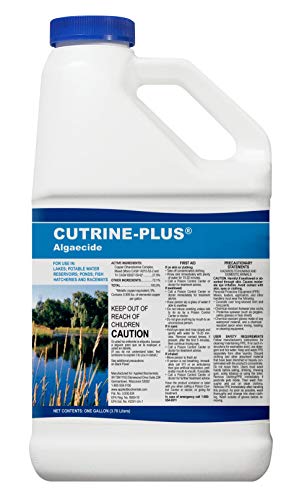
This EPA-approved copper-based algaecide targets planktonic, filamentous, and chara algae, aiming for rapid reduction of algal blooms. It’s described as fast-acting with visible reductions within 1-2 days. The product notes its suitability for wildlife and livestock contexts and advises avoiding copper-sensitive fish. The label explicitly warns against use in water bodies containing copper-sensitive fish like koi or trout, which is a critical safety consideration for many hobbyists aiming to protect valuable aquarium inhabitants.
Usage guidance: evaluate copper sensitivity of your tank inhabitants, monitor ammonia and nitrite levels after application, and avoid concurrent or future water source exposures that could elevate copper concentrations. This product is often favored for larger outdoor systems but can inform aquarium strategies when copper-based solutions are considered, with careful species-specific checks.
Fountain Algaecide and Clarifier 8oz

Designed for small ponds and water features, this 8-ounce bottle targets green water, string algae, and blanketweed. The product notes that it is not safe for fish, which is a critical consideration for any aquarium application. It is promoted as non-hazardous, non-staining, and non-foaming when used as directed, suitable for ornamental ponds and water gardens. For aquariums, its use should be restricted to situations where there are no fish or where the tank is temporarily empty of aquatic life.
Key takeaways: this option provides effective control in small water features but requires careful application to avoid harm to fish. In an aquarium context, it reinforces the importance of selecting species-safe products and integrating non-chemical controls where possible to minimize risk to tank inhabitants.
Buying Guide: Key Purchase Considerations And Comparisons
When choosing an algae control product for a home aquarium, consider algae type, fish safety, and tank setup. The following perspectives help buyers weigh options objectively:
- Algae type and severity: Green water, string algae, blue-green algae, and blanketweed each respond differently to treatments. Quick-acting algaecides can reduce visible blooms but may not address root causes such as light exposure, nutrient load, or poor filtration.
- Fish and invertebrate safety: Copper-based products can harm copper-sensitive species. For tanks housing koi, goldfish, tetras, or invertebrates, look for products explicitly labeled aquarium-safe or designed for freshwater fish without copper.
- Tank size and water chemistry: Larger systems may require higher doses or multiple treatments. Always test ammonia, nitrite, nitrate, pH, and general hardness after application to avoid stressing aquatic life.
- Non-chemical strategies: Regular water changes, improved filtration, reduced light duration, and biological controls (like algae-eating species) can complement or reduce the need for chemical algaecides.
- Label guidance and aeration: Some products require aeration and caution with high oxygen environments. Adequate aeration reduces oxygen depletion risk during treatments and supports healthy fish.
- Use case clarity: Pond and fountain products often specify outdoor use and safety constraints for fish or plants. For aquariums, seek products explicitly tested for tanks or select non-chemical approaches first.
- Long-term maintenance plan: Algae control works best as part of an integrated plan that includes lighting control, nutrient management, and consistent maintenance scheduling.
In sum, the best choice balances algae control efficacy with fish safety and aquarium-specific requirements. Always read the product label, consult tank-specific guidelines, and consider testing a small, isolated portion of your system if you’re unsure about compatibility with your aquatic life.