Best Algae Eating Fish and Supplies for Goldfish Ponds
Creating a healthy, balanced pond for goldfish often means pairing reliable algae control with nourishing food and safe water care. This guide highlights algae-eating fish and proven aids that suit American backyard ponds. From algae-eating species to algae-control treatments and pond-safe foods, you’ll discover practical options to keep your goldfish thriving while maintaining clear, vibrant water.
Summary of chosen products:
| Product | Brand | Primary Use | Notes |
|---|---|---|---|
| Neat&Tidy Chinese Algae Eater (Pack of 10) | Neat&Tidy | Algae eater | Mixed reputation; includes care tips and behavior guidance |
| Neat&Tidy Gold Chinese Algae Eater (Pack of 6) | Neat&Tidy | Algae eater | Golden coloration; group-friendly |
| 9+ Live Ramshorn Snails | Polar Bear’s Pet Shop | Algae cleanup organism | Natural supplementary cleaner |
| MICROBE-LIFT Algaway 5.4 | MICROBE-LIFT | Algae control treatment | EPA-registered, safe for fish |
| API POND ALGAEFIX 32-Ounce | API | Algae control solution | Copper-free, fast-acting |
Neat&Tidy Chinese Algae Eater (Pack of 10)
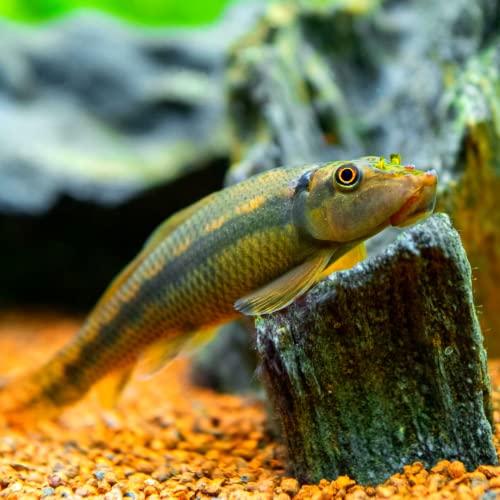
The Chinese Algae Eater is a freshwater species commonly used for algae control in ponds and tanks. This variety is sold in a pack of ten, offering a potential introduction to a colocation group. Care considerations include understanding potential aggression in some contexts, preferred feeding on algae, and compatibility with tank mates and pond setup. This guide includes practical care tips, typical adult size ranges, and feeding expectations to help determine suitability for a goldfish pond environment.
Features emphasize: mixed reputations among hobbyists, a need for clear guidance on behavior and diet, and an emphasis on learning all essentials about care and tank compatibility.
Neat&Tidy Gold Chinese Algae Eater (Pack of 6)
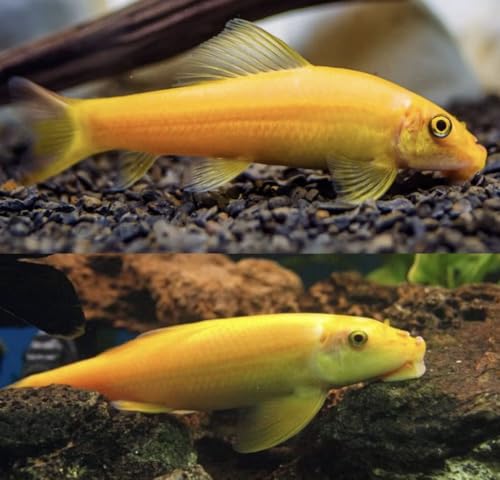
The Golden Sucking Loach, also called Siamese algae eater or honey sucker, is a freshwater species found in Southeast Asia’s rivers and flooded fields. It tends to attach to rocks and surfaces with its specialized mouth, especially in flowing water. The gold variation adds a warm palette to ponds, and these fish can be kept in small groups when young, with solitary setups also possible. As they age, some individuals may shift feeding preferences toward meatier foods. This option highlights color, temperament, and group dynamics for pond planning.
Features highlight: natural habitat tendencies, coloration from olive to honey gold, and notes on group dynamics and dietary shifts as they mature.
9+ Live Ramshorn Snails For Algae Cleanup

Ramshorn snails are a natural, low-maintenance ally for ponds and aquariums. They feed on film and algae growth, helping to reduce visible green growth and contributing to a balanced ecosystem. The listing notes 9+ individuals raised in pristine planted systems, suggesting suitability for planted ponds and community setups. As with any invertebrate addition, consider population control and compatibility with fish.
TetraPond Pond Flakes – Complete Nutrition

While not an algae-control product, high-quality pond fish food is essential for goldfish health, especially when algae growth is prominent. TetraPond Pond Flakes provide a complete diet for smaller pond fish, including goldfish and koi, with nutrients designed to support energy, longevity, and overall health. The formula is designed to stay clear in water, reducing cloudiness when used as directed, and is a practical component of a holistic pond management plan.
MICROBE-LIFT Algaway 5.4 Algae Control

Algaway 5.4 is an EPA-registered beneficial algaecide designed for outdoor ponds and water features. It targets string algae, suspended blooms, and general algae growth, helping maintain clearer water and a healthier viewing of fish and plants. It is designed to be safe for common pond fish and plants when used as directed, though it should not be used with snails or other crustaceans. This product is positioned as a practical, scientifically formulated option for pond-wide algae control.
API POND ALGAEFIX Algae Control 32-Ounce
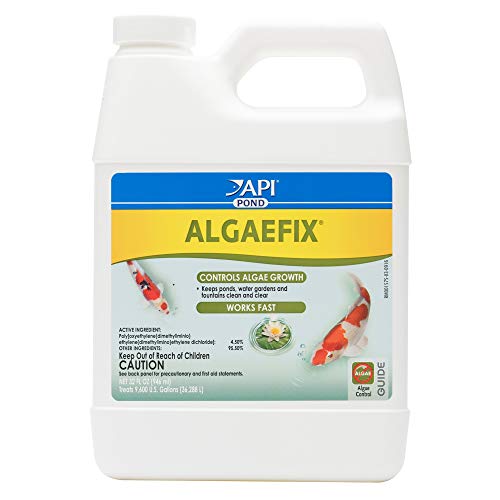
API Pond AlgaEFIX is a popular, fast-acting algae control product that helps resolve existing algae problems and limits new growth. The 32-ounce bottle treats ponds up to 9,600 gallons and is copper-free, designed to be safe for fish and aquatic plants when used as directed. It is suitable for koi ponds, fountains, and outdoor water features seeking dependable algae management while preserving water clarity and ecosystem balance.
API POND ALGAEFIX (16 Fl Oz)

This 16-ounce version of AlgaEFIX is a copper-free option for smaller ponds or hobbyists who want to treat algae growth effectively, with similar safety notes for fish and plants when used as directed. It targets green water, string, and blanket weeds across various pond setups, including water gardens and fountains, making it a versatile addition to a comprehensive algae-management plan.
Kaytee Koi’s Choice Floating Fish Food

To support goldfish health, a balanced diet is essential, especially when algae is a primary food source. Kaytee Koi’s Choice Floating Fish Food provides proteins and plant-based ingredients suitable for koi, goldfish, and pond fish, with a protein content around 35%. This product emphasizes nutrition to support tissue and muscle development, aligning with pond upkeep where algae-based feeding complements other dietary options.
Buying Guide
Key considerations when selecting algae-control options and algae-eating companions for goldfish ponds include pond size, fish compatibility, water flow, and maintenance needs. The following perspectives help inform balanced decisions:
- Species behavior and compatibility: Some algae eaters can be aggressive when stressed or crowded. Assess your pond’s stock and consider group dynamics, hiding spaces, and appropriate tank mates.
- Algae type and control method: Combine biological controls (algae-eating species) with chemical or biological treatments to address different algae forms, such as string algae and green water, while avoiding overuse of chemicals that may impact fish or plants.
- Water quality and filtration: Adequate filtration and aeration support algae control and animal health. Regular testing for ammonia, nitrite, nitrate, and pH helps maintain pond balance.
- Feeding and nutrition: Provide a balanced diet that supplements natural algae consumption, reducing reliance solely on algae for nutrition. Choose fish foods appropriate for goldfish and other pond inhabitants.
- Population management: When introducing new algae-eating species or invertebrates, monitor population growth to prevent overstocking, which can stress fish and degrade water quality.
- Safety and labels: Use EPA-registered products as directed, avoid copper-based formulas around certain species, and follow product-specific cautions to protect fish and plants.
This approach emphasizes a holistic, science-based method to maintain clear water, healthy fish, and an aesthetically pleasing pond environment.