Best Activated Carbon for Aquarium Water – Clear Tanks With Premium Media
Activated carbon is a staple in many aquariums, helping to remove odors, discoloration, and impurities that can cloud water and stress aquatic life. The right carbon media can improve clarity, support healthier inhabitants, and work compatibility with various filter systems. Below is an objective overview of five leading activated carbon products, drawn from top brands that actively serve the freshwater and saltwater hobby. Each section highlights how the media works, typical suitability, and practical considerations for ongoing maintenance in different aquarium setups.
Summary of Selected Products
| Product | Brand | Media Type | Approximate Application |
|---|---|---|---|
| Marineland Black Diamond Premium Activated Carbon 22 Ounces | MarineLand | Heat-activated carbon | General chemical filtration, odor and discoloration removal |
| Marineland Black Diamond Premium Activated Carbon Filter Media, 40 oz | MarineLand | Heat-activated carbon | Expanded media for longer filtration cycles |
| Fluval Carbon Filter Media for Aquariums | Fluval | Premium bituminous carbon | Works with Fluval filters for clarity and odor control |
| Premium Activated Carbon, Aquarium Carbon for Fish Tank Filter | Aquatic Experts | Granulated activated carbon | Rapid contaminant adsorption; compatible with fine mesh bags |
| TradeGrade Premium Activated Carbon – 1 Gallon | Trade Grade | Granulated charcoal carbon | Bulk media for larger or multiple tanks |
Marineland Black Diamond Premium Activated Carbon 22 Ounces

Marineland’s Black Diamond Premium Activated Carbon is designed for chemical filtration that targets odors, discoloration, and dissolved impurities. The media is heat-activated and derived from bituminous coal-based carbon, offering a broad surface area for adsorption. Its sizing is described to maintain filtration efficiency longer than standard carbons, making it suitable for moderate to heavily stocked tanks where stable water quality is essential. When integrating into a setup, ensure compatibility with your filter model and allow for adequate rinsing before initial use to minimize fine particulates in the water column.
Key considerations for use include managing flow rate to maximize contact time with carbon and replacing media on a regular cycle aligned with bioload and feeding. Marineland’s formulation is often chosen for freshwater tanks with odor or tint issues, and it can pair well with supplemental media like bio-media or zeolite in multi-stage canister systems. As with all carbon media, avoid using carbon during medication treatments, or remove it during dosing because carbon can adsorb active compounds. Regular maintenance helps sustain the intended effects without reducing beneficial bacteria habitats inside the filter.
Marineland Black Diamond Premium Activated Carbon Filter Media, 40 oz

This larger 40-ounce package extends the benefits of premium activated carbon for bigger tanks or higher bioload systems. The same heat-activated, coal-based carbon composition provides effective removal of odors, discoloration, and impurities, aiming to produce clearer water with less tint. Given the higher volume, this media is well-suited for canister filters or multi-media chambers where longer intervals between changes are desirable, provided you monitor water quality and replace media according to your filtration plan.
Practical tips include soaking and rinsing before installation to reduce initial cloudiness and ensuring even distribution inside the media chamber. For aquariums with moderate plant life, consider the timing of carbon replacement around fertilization or medication to avoid adverse interactions. The media’s performance hinges on proper flow through the carbon pores; too rapid a flow decreases contact time, while overly slow flow can reduce overall turnover. Regular testing of ammonia, nitrite, and nitrate levels helps determine the right replacement cadence for your system.
Fluval Carbon Filter Media for Aquariums
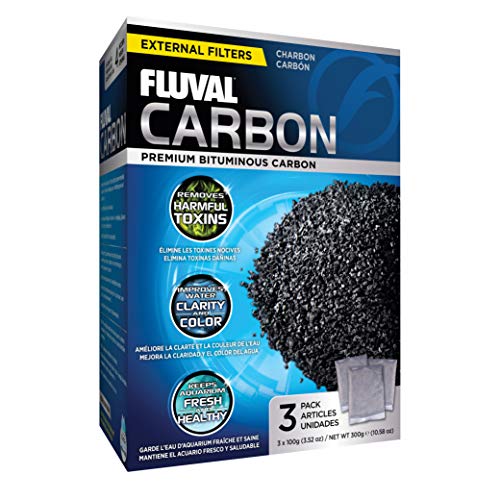
Fluval’s premium carbon media is described as low-ash, with a porous structure designed to provide substantial surface area for contaminant adsorption. The media is compatible with a range of Fluval filter models (from 106 to FX5 and various 100-304 series), and through careful selection, users can optimize water clarity and odor control in freshwater and some saltwater setups. Fluval emphasizes removing odors and improving color clarity, while also cautioning about medication use—carbon should be removed when treating tanks with certain medicines to prevent active compound adsorption.
When integrating Fluval carbon into your filter, ensure you place it in a suitable media bag or chamber as directed by your model’s manual. Rinse well before use to reduce initial turbidity, and plan for media replacement based on bioload and water parameters. For planted aquariums, some hobbyists run carbon on a limited basis to avoid removal of trace elements essential for plant health; assess your priorities and adjust the maintenance schedule accordingly. Overall, Fluval carbon is a solid choice for those seeking reliable odor and tint control within Fluval-filtered systems.
Premium Activated Carbon For Fish Tanks — Aquatic Experts
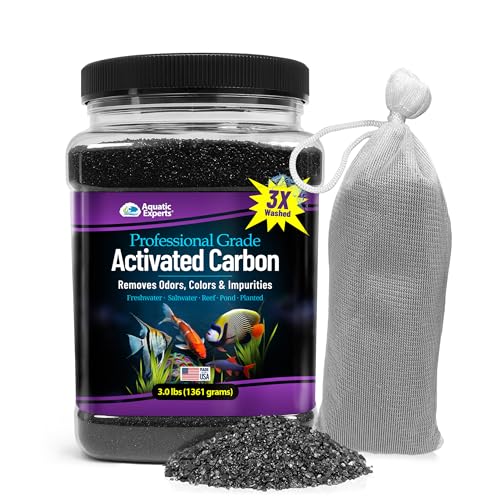
Aquatic Experts markets a premium granulated activated carbon designed for rapid contaminant adsorption and odor elimination. The media is described as small in size, which interacts well with fine-mesh filter bags, enhancing contact with water as it passes through. The product emphasizes heavy cleaning during processing to avoid ash clogs and to maintain open pore structure for efficient adsorption. This media is presented as suitable for both freshwater and marine tanks, with potential use in ponds or koi setups where larger volumes demand more robust carbon performance.
Operational considerations include choosing the right bag size and ensuring proper flow through the media bag. The carbon’s porous surface supports adsorption of yellowing compounds, chlorine remnants, some medications, and certain heavy metals, but it is not a universal solution for all chemical filtering needs. In systems with live plants, users should monitor nutrient and trace element balances, as excessive carbon use can remove beneficial minerals. Regular maintenance, including periodic replacement, is key to maintaining water quality in larger or heavily stocked tanks.
TradeGrade Premium Activated Carbon – 1 Gallon

TradeGrade offers a bulk activated carbon solution, marketed for water purification in aquariums and other applications. The media is described as providing superior water purification by eliminating waste, toxins, and chemicals that can discolor water and impact tank aesthetics. The 1-gallon size makes it suitable for larger tanks or for households with multiple tanks that share filtration setups. The product highlights crystal-clear water and odor control, useful in tanks prone to tannins or sediment that can cloud water and reduce light penetration for photosynthetic organisms.
Practical guidance includes ensuring strong rinsing prior to use and choosing appropriate bagging to maximize flow through the carbon. For hobbyists operating heavily stocked tanks, this carbon can be a cost-effective solution to sustain water clarity over longer intervals between media changes. However, always balance carbon usage with maintenance tasks such as filter media cleaning, mechanical filtration, and water testing to avoid unintended shifts in water chemistry. The bulk format can reduce per-till costs but requires proper storage to maintain media effectiveness over time.
Buying Guide: Key Purchase Considerations
- Filtration needs: Match carbon media to your filter type and tank size. Larger tanks or high bioload setups benefit from media with higher adsorption capacity and longer replacement intervals.
- Carbon type and activation: Heat-activated or premium bituminous carbons tend to offer higher surface area and efficiency in removing odors and color. Low-ash carbon reduces sediment in the output water.
- Maintenance cadence: Carbon media adsorbs contaminants over time and must be replaced or regenerated. Track water quality with tests (ammonia, nitrite, nitrate, pH) to determine replacement timing.
- Tank chemistry and meds: Do not run carbon during medication dosing unless directed, as carbon can remove therapeutic compounds from the water. Plan medication schedules around carbon use.
- Plant and livestock considerations: In planted tanks, assess whether carbon may strip trace nutrients or CO2-related dynamics. Some aquarists use carbon intermittently rather than continuously.
- Bagging and flow: If using carbon in bags, ensure a secure mesh bag and appropriate mesh size to prevent clogs. Flow rate through the carbon should allow sufficient contact time for adsorption without starving biological filtration.
- Bulk vs. small packages: For multiple tanks or large setups, bulk options can reduce cost per gallon but require adequate storage and organization to maintain media quality over time.
- Brand and compatibility: Use media designed for your filter brand or system to ensure proper fit and performance, and follow the manufacturer’s installation instructions.
Overall, selecting activated carbon for an aquarium hinges on balancing water clarity, odor control, and compatibility with your filtration and maintenance routine. The listed products each offer distinct advantages depending on tank size, bioload, and whether you emphasize rapid adsorption, long filtration cycles, or bulk economy for larger setups. Regular monitoring and a well-planned maintenance schedule help ensure the media delivers consistent water quality in American home aquariums.