Best Activated Carbon for Terrariums: A Practical Guide to Cleaner Humidity Environments
Activated carbon helps terrarium setups stay clear of odors, discoloration, and excess moisture, creating a healthier habitat for moisture-loving plants and critters. This guide reviews five reliable options, spanning horticultural charcoal and aquarium-grade carbon, to support soil aeration, drainage, and water clarity. Each product is evaluated for terrarium-friendly moisture control, porosity, and practical application in small- to medium-sized enclosures. Use this overview to choose carbon that matches your terrarium type, plant selection, and maintenance routine.
Summary of chosen products:
| Product | Brand | Key Benefit For Terrariums | Size | Typical Use |
|---|---|---|---|---|
| Marineland Black Diamond Premium Activated Carbon 22 Ounces | MarineLand | Odor and impurity removal for clearer moisture | 22 oz | Filter media and soil mix |
| Olivette Horticultural Biochar Activated Charcoal | Olivette | Moisture control and soil enrichment, sustainable | 1 bag | Terrarium soil amendment |
| MAQIHAN 0.9 LB Activated Charcoal Pellets | MAQIHAN | Efficient filtration with low dust | 0.9 lb | Filter media for tanks and terrariums |
| Kolar Labs Crystal Cal Activated Carbon – Large Jar | Kolar Labs | High pore structure for rapid clarification | Large jar | Aquarium/terrarium substrate |
| Legigo 4QT All Natural Horticultural Charcoal | Legigo | Soil aeration and drainage improvement | 4 QT | Soil amendment and substrate mix |
Marineland Black Diamond Activated Carbon In Terrarium Use

Marineland’s Black Diamond Premium Activated Carbon is designed for chemical filtration in aquatic systems, but it also serves terrarium environments that require clearing and odor control in humid settings. The carbon is heat-activated and coal-based, providing effective adsorption of impurities and odors. Its particle size is optimized to maintain filtration efficiency over extended use, helping to extend the interval between maintenance tasks in moisture-rich enclosures.
Key considerations for terrariums: This product excels at removing dissolved organics and odors that may accompany high humidity and decaying plant matter. It’s beneficial when used as a component of soil mixes or in moisture-absorbing substrates within a layered terrarium system. Users should monitor moisture closely to prevent over-drying or clogging of drainage layers.
Olivette Biochar Activated Charcoal For Terrariums
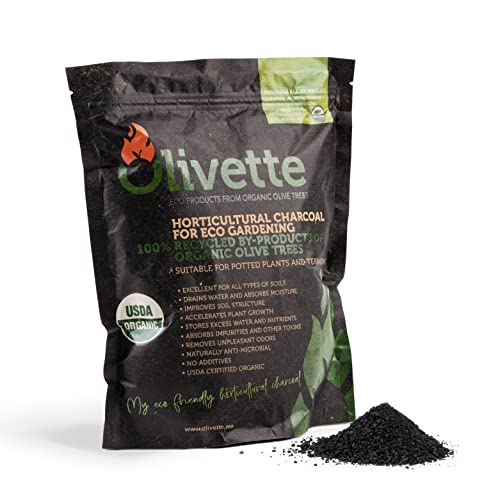
Olivette’s premium olive-derived charcoal is specifically aimed at moisture control and soil health. Made from recycled olive pits and pulp, it supports soil aeration and moisture balance in terrariums, while helping reduce root rot and soil compaction. The material is designed to improve drainage in moisture-sensitive plant setups and can be mixed into the substrate to boost beneficial microbial activity. Its natural origin appeals to sustainability-minded hobbyists seeking an eco-conscious option.
For terrarium applications, this charcoal excels as a soil amendment, promoting healthier root systems by maintaining adequate air pockets around roots and moderating water retention. It pairs well with organic soils and other horticultural substrates. As with any soil amendment, blend in measured amounts to avoid overly loose media that could shift plant stability.
MAQIHAN Activated Charcoal Pellets For Terrariums

MAQIHAN offers activated charcoal pellets in a compact package, with nylon filter bags included. The coconut shell-based carbon is designed to absorb impurities efficiently and minimize dust. The pellet form can be convenient for terrarium substrates or filter media setups, particularly when used in combination with mesh bags to contain the charcoal within a drainage layer. The product emphasizes clear water and reduced discoloration for environments with aquatic or high-moisture components.
Practical use involves placing the pellets in bags or a contained layer within the substrate or filter area. The model is suitable for terrariums that require a clean moisture profile, especially where plant roots or microfauna benefit from stable moisture without waterlogging. Users should ensure proper containment to prevent charcoal migration into the substrate if not bagged.
Legigo 4QT All Natural Horticultural Charcoal

Legigo’s 4-quart bundle provides natural hardwood horticultural charcoal designed for soil amendment and moisture management. This charcoal is intended to drain excess moisture from containers, making it suitable for terrarium substrates where improved aeration and reduced soil density are priorities. The product can help prevent compaction and support root health by providing an airy medium that remains breathable as humidity fluctuates. It’s especially useful in orchid, bonsai, and succulent terrarium mixes that require precise moisture control.
When incorporating Legigo charcoal into terrarium soil, aim for a balanced blend with perlite or sphagnum to maintain structure while still enabling adequate drainage. Consider layering or mixing to avoid overly dry pockets and to sustain microfauna-friendly conditions that thrive in well-aerated soils.
DANGKELILI Horticultural Charcoal For Plants
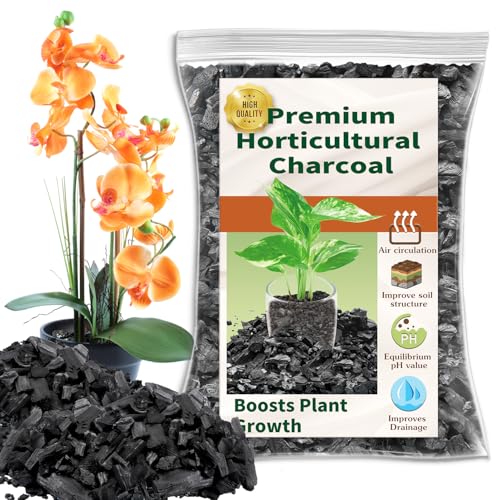
This option emphasizes exceptional drainage, with porosity designed to prevent overwatering in containers without drainage holes. The 6-12 mm particle size (bamboo-based) offers a balance between airiness and moisture retention, helping soil stay breathable while holding onto necessary nutrients. The bamboo charcoal is renewable and manufactured through high-temperature processing, lending itself to sustainable terrarium practices. A mixture of particle sizes can further improve soil structure and root health in terrariums with diverse plant species.
Best practices include combining with a light soil base or coarser components to maintain a fluffy substrate. The bamboo charcoal’s porous structure supports nutrient retention while preventing compaction, making it a versatile amendment for a wide range of terrarium setups, from orchids to succulents.
Kolar Labs Crystal Cal Activated Carbon – 1 Gallon

Kolar Labs Crystal Cal activated carbon is a high-performance option with laboratory-grade porosity designed for aquarium use, including terrarium environments that require rapid clarification of moisture and removal of contaminants. The 1-gallon supply is suitable for larger terrariums or repeated replacements, providing consistent filtration and odor control. The product adheres to standards like FCC, ensuring quality and safety for hobbyists who value reliable filtration materials.
In terrarium practice, use this carbon in a contained filtration layer or within a porous substrate to prevent clumping and ensure even contact with the moisture in the substrate. Regular replacement is recommended to maintain filter efficacy and prevent buildup of impurities that could disrupt plant root health.
Kolar Labs Crystal Cal Activated Carbon – Large Jar

This large jar provides a substantial supply of activated carbon for terrarium projects with frequent maintenance or larger enclosures. The product emphasizes fast results in clearing cloudy moisture, colors, and odors, making it suitable for terrariums that incorporate aquatic components or moisture-sensitive plants. As with other activated carbon products, ensure proper containment and avoid direct contact with plant roots to prevent unintended adsorption of essential nutrients.
Buying Guide: Key Purchase Considerations For Terrariums
- Purpose and compatibility: Distinguish between soil amendments and filtration media. For terrariums with drainage layers, activated carbon works best when contained or mixed into the substrate in measured amounts or used within mesh bags.
- Particle size and form: Pellets, granules, and charcoal chunks offer various balances of porosity and surface area. Smaller particles increase contact with moisture but can compact if not blended properly; larger granules improve drainage but may be less uniform in adsorption.
- Source material: Coconut shell, bituminous coal, olive-derived biochar, and bamboo charcoal each have unique pore structures and sustainability profiles. Choose based on moisture management needs and environmental considerations.
- Dust and containment: Look for products that minimize dust and provide ways to contain carbon within the substrate or filtration layer. Mesh bags or bagged forms help prevent sediment migration.
- Maintenance cycle: Activated carbon requires replacement or reactivation over time. Consider enclosure size, plant density, and humidity when planning maintenance intervals to maintain optimal moisture, aeration, and water clarity.
- Safety and purity: Ensure materials comply with quality standards (FCC or equivalent) and are free from additives that could affect terrarium inhabitants. For edible or edible-leaning setups, confirm suitability for enclosed ecosystems.
- Eco-friendliness: If sustainability matters, prefer olive-derived biochar or bamboo charcoal for eco-conscious terrariums, especially when creating soil amendments or moisture-regulating substrates.
In practice, combine carbon products with appropriate substrate components to maintain aeration, drainage, and microbial balance. Use carbon as a targeted tool for odor control and clarity, while ensuring plants and microfauna receive the moisture and nutrients needed for healthy growth. Regular substrate checks help maintain a stable terrarium environment across seasons.